


هذا التقرير متاح أيضًا بـ العربية
Since gaining independence from France in 1960, Burkina Faso has experienced repeated upheavals and military coups, culminating in two successive coups in 2022. In January that year, Lieutenant Colonel Paul-Henri Sandaogo Damiba overthrew elected President Roch Marc Christian Kabore, arguing that his government was incapable of confronting armed Islamist groups. Captain Ibrahim Traore then ousted Damiba on 30 September in the country’s ninth coup.
Traore comes from a Muslim family belonging to the Dyula ethnic group. He joined the army in 2010 and rose through the ranks before leading his coup and declaring himself interim president. He became the first Muslim to hold the presidency in nearly four decades, following Saye Zerbo, who ruled between 1980 and 1982.
From his first days in power, Traore declared that his top priority was to liberate territory from armed groups. Early in his rule, he gained popularity among younger generations for ending the French military presence while deepening military and political cooperation with Russia.
Despite his pledges to eliminate jihadist groups within a few months, security continued to deteriorate, with large swathes of the country remaining outside state control. The army and militias backing Traore were also accused of widespread abuses during operations against Jama’at Nasr al-Islam wal-Muslimin.
Persistent security challenges altered the course of the transition. In May 2024, the military regime extended it by five years, with the possibility of Traore running for president. The authorities also tightened their political grip, suspending party activities and dissolving more than 100 parties and hundreds of associations on the pretext of combating espionage and terrorism financing. Traore also retreated from his promises to hold democratic elections and recently announced that democracy was not a priority at this stage.
These shifts have extended to Islamic affairs in a country where Muslims make up the majority of the population. During his ongoing war against armed groups, Traore has begun outlining a new vision for the relationship between state power and religion. It centres on reinforcing state secularism, tightening oversight of Islamic institutions and treating some forms of Islamic activity as a counter-extremism issue. This report examines that approach through the situation of the Muslim community and the new policies affecting it.
Muslims in Burkina Faso
Burkina Faso is a landlocked country in the heart of West Africa, covering 274,000 square kilometres and bordering six countries: Mali, Niger, Benin, Togo, Ghana and Ivory Coast. Despite its lack of a seaport, its location gives it strategic importance as a link between the Sahel and West Africa. Its security and stability are both affected by and directly influence conditions in the surrounding region.
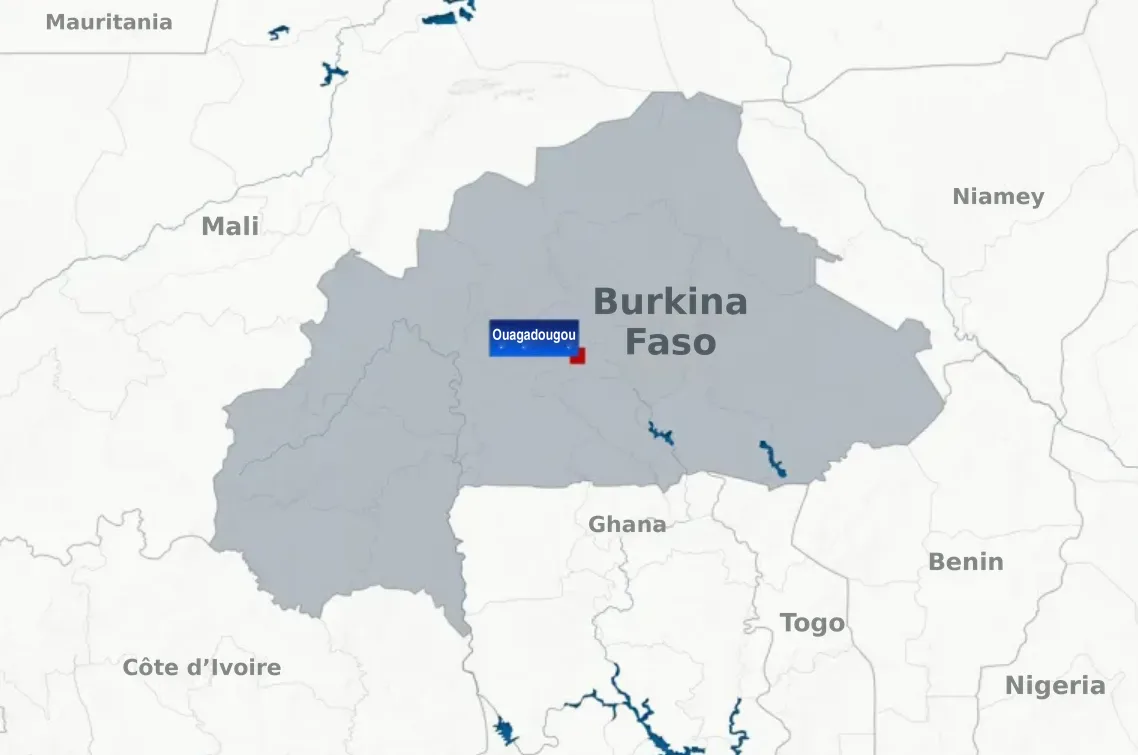
Burkina Faso has a population of 22 million, belonging to more than 60 ethnic groups. The most prominent is the Mossi, who make up nearly half the population. More than 60 local languages are spoken, while French is the country’s official language.
According to the 2019 census, Muslims make up 63.8 per cent of the population, Catholics 20.1 per cent and members of various Protestant denominations 6.2 per cent. A further 9 per cent follow what are described as “spiritual religions,” while fewer than 1 per cent are atheists. Most Muslims are Maliki Sunnis, while Shia Muslims account for fewer than 1 per cent.
The country’s Islamic communities include Sufi orders, most notably the Tijaniyya, Salafi currents and the Ahmadiyya community, alongside reformist movements and educational and youth institutions that have emerged since the 1980s.
These communities are divided by ideological differences and personal rivalries, including within individual movements. The main divide is between Sufis and Salafis, the latter primarily represented by the Sunni current. Most Salafis, however, reject violence and are characterised by tolerance.
The country has nearly 50,000 mosques and more than 300 officially registered Islamic organisations. Recent decades have seen repeated attempts to bring Islamic groups under a single organisational umbrella, most notably the Federation of Islamic Associations in Burkina Faso. Ideological and personal differences, however, have prevented institutional unity.
Signs of growing religiosity have emerged in recent years. These include the spread of Quranic schools, an increase in the number of mosques, the establishment of prayer rooms on university campuses and more conservative styles of dress, especially among young people.
Arabic has also become more widespread. It holds a special place among many Muslims and is preferred to French, which they associate with the colonial legacy. Yet about 55 per cent of Arabic schools are not recognised by the government, unlike French schools. Religious instruction is not permitted in public schools, while Islamic, Catholic and Protestant groups each run their own private primary and secondary schools.
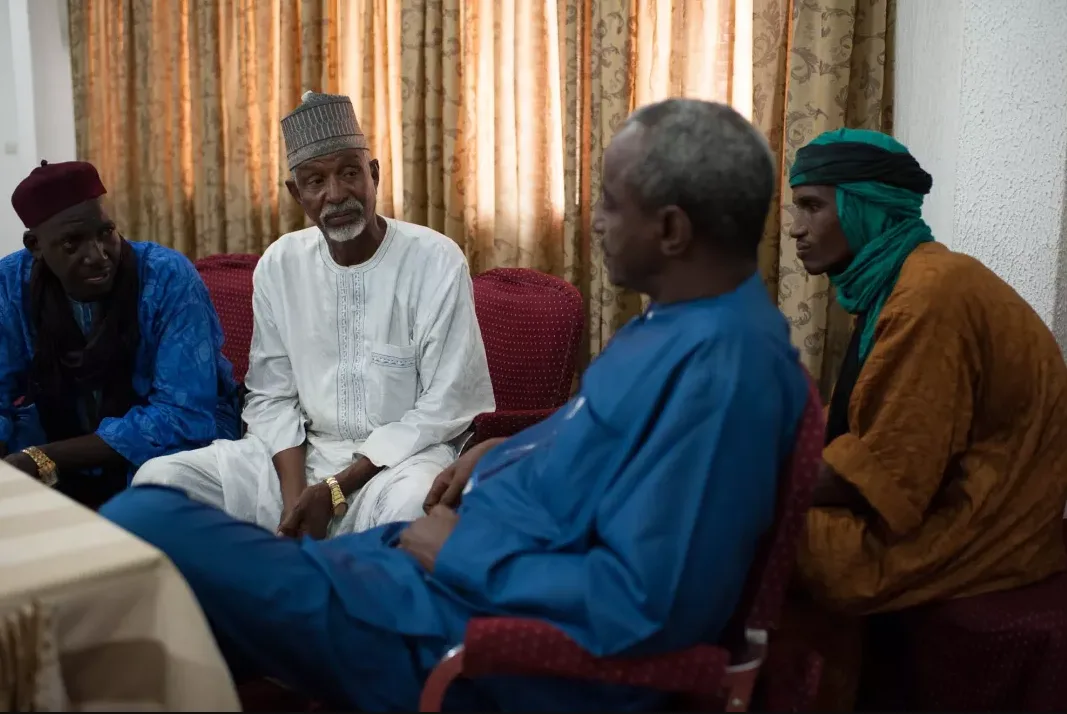
Since 2005, Muslims have become more politically active and organised. A new generation of young Muslim leaders has begun questioning the existing political order, their historical marginalisation and the Catholic Church’s privileged position in Burkinabe politics.
Several Islamic leaders have repeatedly expressed a sense of marginalisation and spoken of their under-representation in the civil service and central government bureaucracy. Some have also highlighted the small number of Muslim ministers in successive governments. Muslims have rarely held the presidency, a pattern some researchers attribute more to the French colonial legacy and unequal educational opportunities between French and Islamic schools than to directly discriminatory policies.
Muslims also feel that Christians, especially Protestants, are seeking to convert them and that the government is not neutral on the issue. Some Burkinabe Islamic figures and groups have strongly criticised Christian missionary activities, with some pointing to the existence of more than 400 missionary associations and institutions.
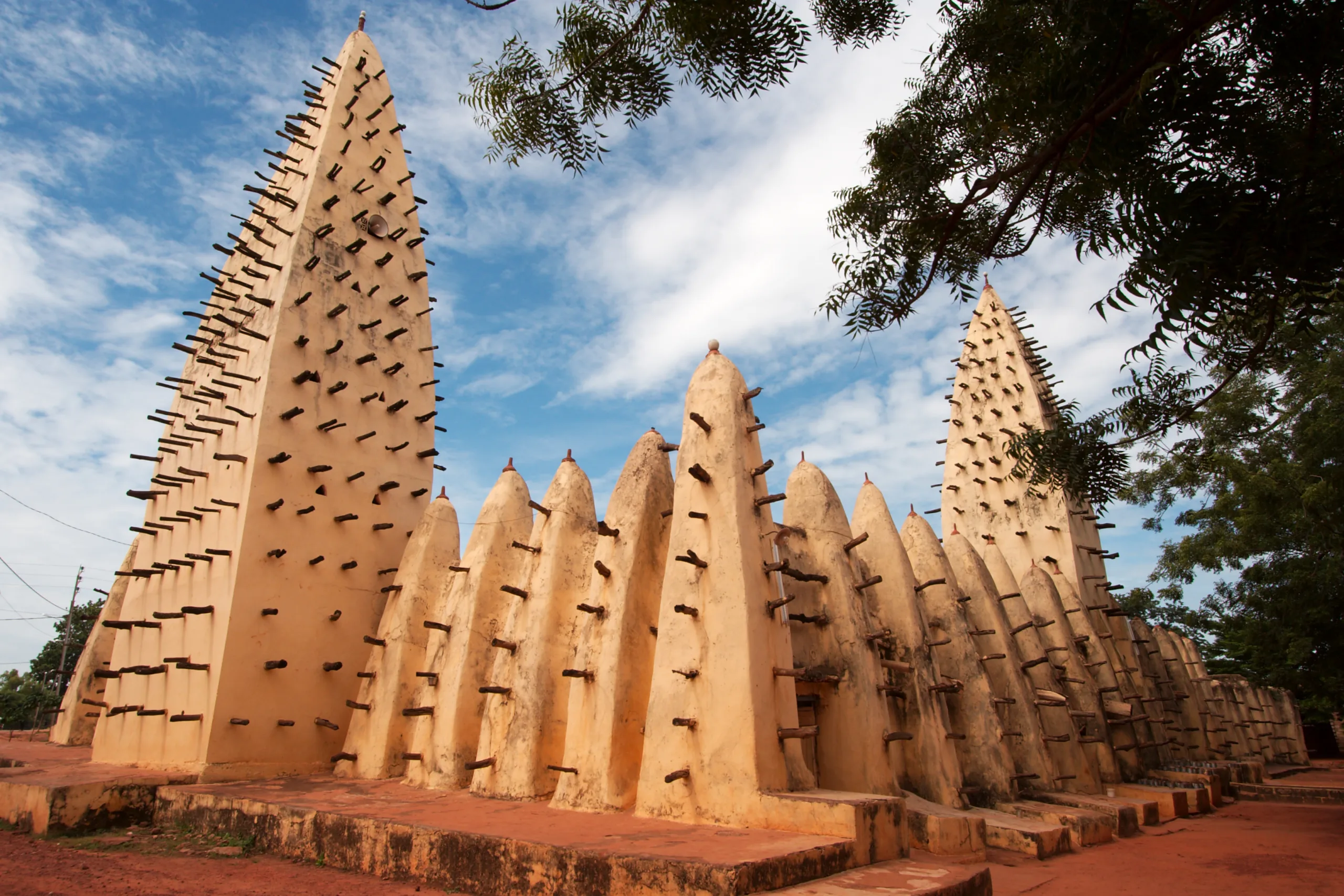
Local and international Christian churches and organisations are conducting significant missionary work in Burkina Faso. This work relies on establishing schools, health centres and relief programmes alongside religious activities.
Some Muslim leaders also consider the airtime allocated to each religion on state radio and television unfair. Secular media control 76 per cent of the country’s broadcast outlets. Some also criticise the decoration of government offices and streets for Christian holidays but not Islamic ones.
Several issues have prompted repeated debates about the limits of state secularism and whether it is applied fairly across religious communities. These include discrimination and the stigmatisation of Muslims, cases of girls being expelled from schools for wearing the hijab, and discrimination against them in civil service entrance examinations.
Muslims also deeply resented a work schedule adopted in September 2015 that made it impossible to perform Friday prayers. These issues reinforced their feeling that secularism was directed against Islam in particular and that their interests were being ignored.
Some Muslims also experience “collective stigmatization.” The army has systematically targeted the Fulani ethnic group on the grounds that it supports Jama’at Nasr al-Islam wal-Muslimin. These accusations have led to attacks on entire Muslim communities, their forced displacement, the looting of their property and extrajudicial killings.
A broad section of the Muslim community believes the state is punishing Muslims for jihadist attacks. Even so, Burkina Faso has been regarded for decades as a model of peaceful coexistence and religious tolerance in West Africa, and marriages between Muslims and Christians remain common.
How has the Sahel war changed the state’s relationship with Islam?
The state’s relationship with Islam in Burkina Faso was previously governed by secular principles rather than security concerns. The state avoided imposing institutional restrictions, such as requirements for building mosques, licensing preachers or regulating Islamic schools and their curricula.
That began to change gradually in late 2015 as jihadist activity increased in the Sahel, tying the management of Islamic affairs to security considerations and the fight against jihadist groups.
Since late 2015, Burkina Faso has seen an escalation in jihadist activity, chiefly by Jama’at Nasr al-Islam wal-Muslimin and Islamic State in the Sahel, alongside separatist groups and militias, some organised along ethnic lines. Some of these militias were given official status in 2019 under the name “Volunteers for the Defense of the Homeland” to support the army against jihadist movements.
Jama’at Nasr al-Islam wal-Muslimin is considered the most prominent jihadist actor in the central Sahel. It was formed on 2 March 2017 through the merger of several al-Qaida-linked armed Islamist groups. Its attacks were initially confined to northern areas bordering Mali before spreading into Burkina Faso and Niger. Since 2019, it has expanded its activities into northern Benin, Togo and Ivory Coast, while Islamic State has strengthened its presence in the border region shared by Mali, Burkina Faso and Niger.
Jama’at Nasr al-Islam wal-Muslimin’s influence has extended beyond armed attacks. It has also sought to consolidate a parallel authority in areas under its control, setting up local courts and managing some aspects of daily life according to its interpretation of Islamic law.
By 2024, armed groups exerted influence over nearly 40 per cent of Burkina Faso’s territory. Deteriorating security helped reshape the political landscape across the Sahel. The leaders of military coups in Mali, Burkina Faso and Niger cited civilian governments’ failure to contain armed groups to justify their seizures of power.
Against this backdrop, Burkina Faso experienced two military coups in 2022. The second brought Traore to power on 30 September after he pledged to regain control of territory and eliminate armed groups.
Traore expanded the policy of relying on volunteers, arming thousands of civilians to fight jihadist groups. The policy did not end the crisis; instead, the number of victims rose and armed groups continued to expand their influence.
In September 2023, the military governments of Burkina Faso, Mali and Niger strengthened security cooperation by launching the “Alliance of Sahel States,” which an International Crisis Group official said was “inspired by NATO” and included a framework for mutual defence and military coordination among the three countries amid continuing jihadist threats.
Despite these measures, armed groups continued to gain ground. In 2024, Jama’at Nasr al-Islam wal-Muslimin laid siege to dozens of cities and towns and threatened supply routes to the capital, Ouagadougou. On 11 May 2025, it launched a major attack on the northern city of Djibo, temporarily seizing it in its largest attack on the city since beginning a siege in 2020. The group maintained the momentum of its operations inside Burkina Faso throughout 2026.
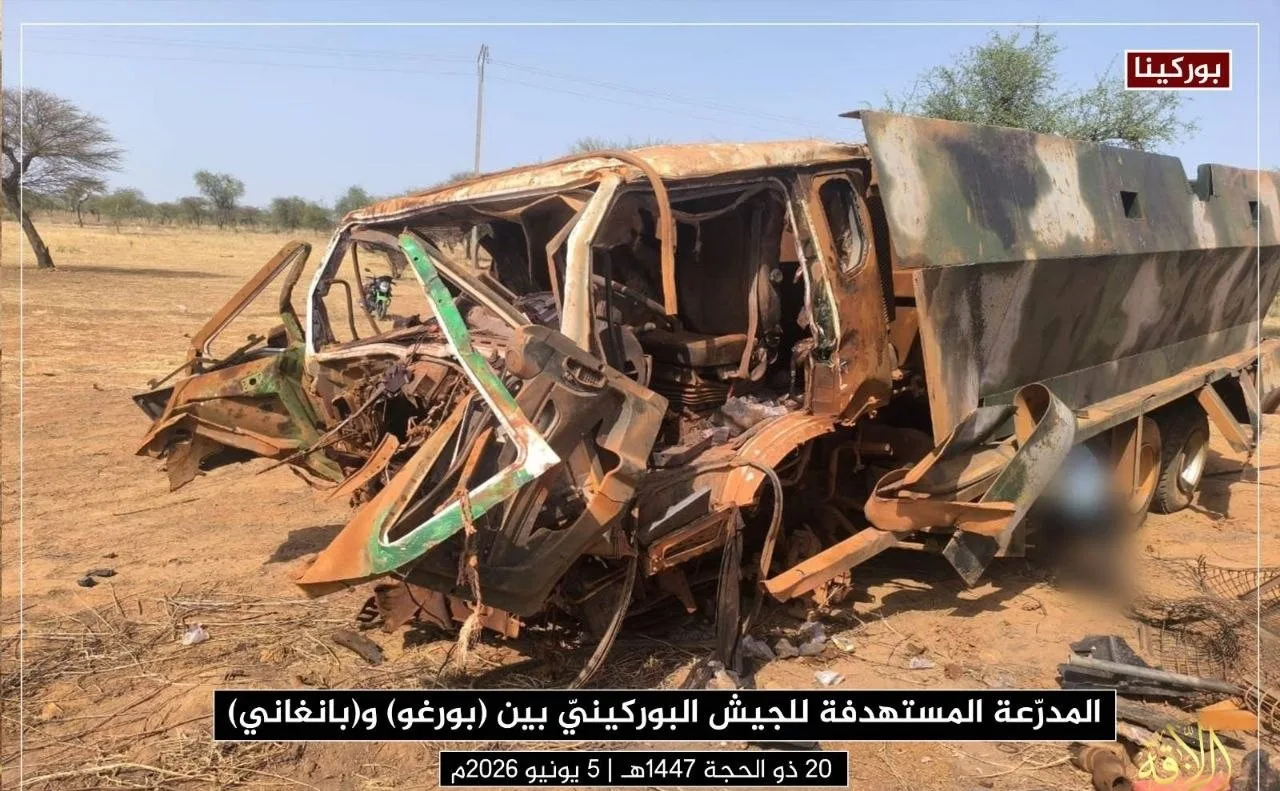
As security continued to deteriorate, the confrontation extended beyond military operations into religious life. The state began treating Islamic institutions, religious education and mosque sermons as security matters. The authorities believe jihadist groups use these settings to recruit and spread their message.
Traore’s government adopted a series of measures to reshape Islamic life as part of its broader strategy against jihadist groups. The most prominent were the law on religious freedoms, tighter oversight of some Islamic activities and institutions, and official rhetoric linking the protection of the state to confronting what the authorities describe as “religious extremism.”
Traore also sharpened his rhetoric towards some scholars and preachers. This became clearer in a series of statements that stirred widespread controversy during 2026. He rejected the implementation of Islamic law in the country, saying that “radical Islam” had no place in Burkina Faso. Addressing preachers he accuses of extremism, he said: “If this is your Islam, we will fight it … extremists must change, and if they do not, the battle has begun.”
He also announced plans to bring home Burkinabe students studying Islamic sciences in several Arab countries, hinting at measures that could include revoking the citizenship of those who refuse to return. In his latest remarks to cause widespread controversy, Traore said Africans had endured “1,000 years of slavery at the hands of Arabs,” prompting widespread reactions, with many describing the remarks as a historical falsehood.
How did Ibrahim Traore’s project — the military leader of Burkina Faso who built his legitimacy on expelling the French colonizer — turn into a quiet rapprochement with Tel Aviv and economic dependence on Abu Dhabi?
📍For more details, read the report by @Moh_Gamea👇https://t.co/31LIhxWLdc pic.twitter.com/XOwXPzQB0S
— NoonPost (@NoonPost) July 31, 2026
Clash with the Muslim community
In the first months after seizing power in September 2022, Traore sought to build a positive relationship with Islamic groups. He expressed his religious devotion in speeches and affirmed his respect for Islam and its role in society, helping to improve his image.
Several scholars and preachers saw his anti-Western rhetoric as reflecting their own aspirations. Some offered moral support, called for obedience to him and praised what they considered his good intentions, contrasting him with predecessors they repeatedly described as mere agents of the West.
The relationship gradually changed as the war against jihadist groups continued and the state expanded its security approach. The authorities moved to reorganise religious life, tightening restrictions on mosques and preachers and arresting influential figures. This pushed the country into a new phase that may be characterised above all by a turn against representatives of Arab and Islamic culture.
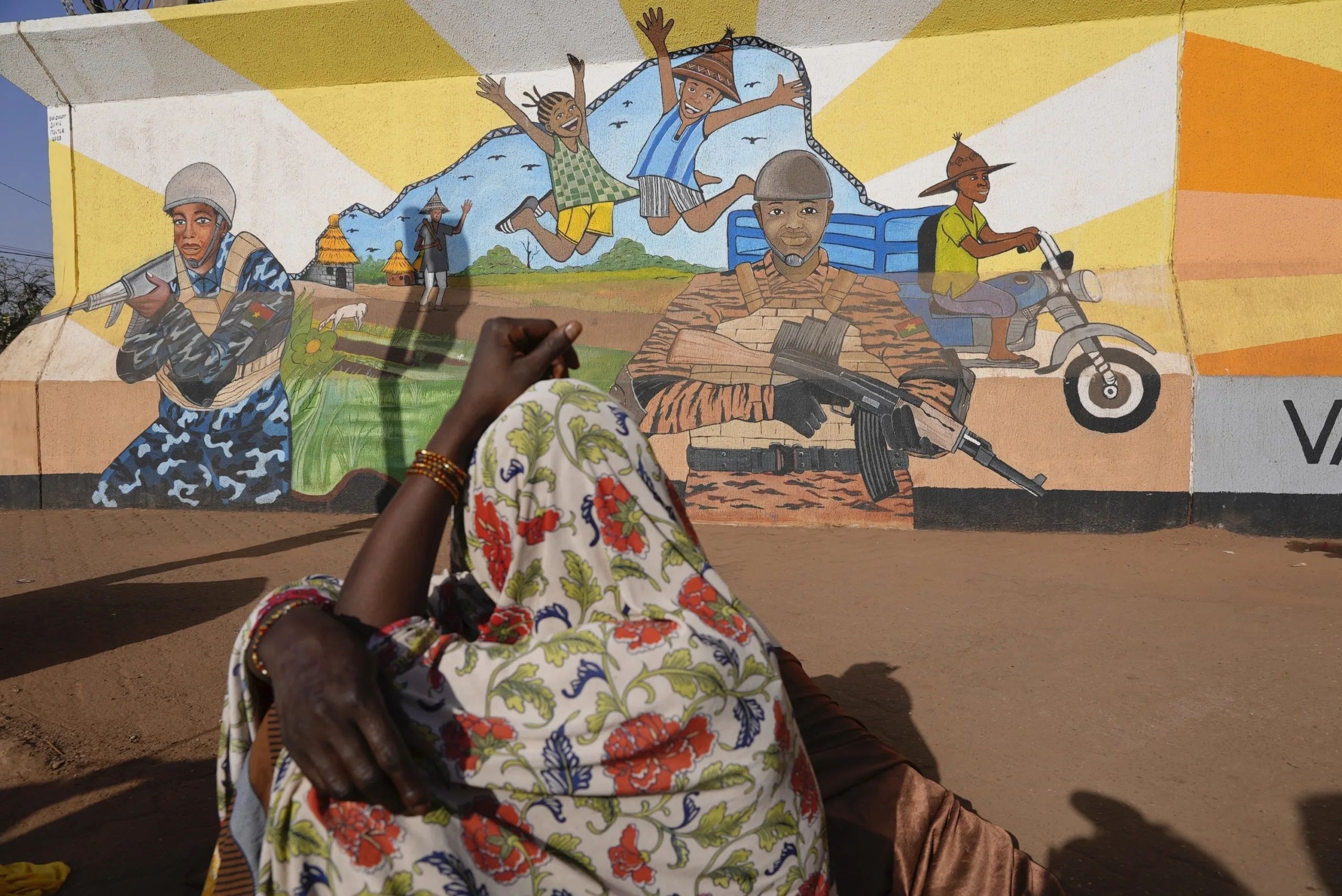
The year 2026 marked a turning point in state policy on religious affairs. On 19 March, the Council of Ministers approved a draft law on religious freedoms intended to establish stricter rules governing Islamic worship in public institutions, such as government departments and military barracks. Prayers had regularly been held in ministries and official institutions during working hours.
The draft stipulated a ban on establishing places of worship inside these institutions and restrictions on what the government described as “noise pollution” from loudspeakers used for the call to prayer. It also subjected some Islamic activities to regulatory and licensing procedures.
The draft provided for prison sentences and fines for several practices classified as violations. The state also expanded its oversight of the establishment of places of worship, the work of religious associations, funding, religious leaders and religious education. This marked a major break with its previous approach, when it had refrained from regulating or intervening in religious affairs in this way.
On 20 June 2026, parliament unanimously passed the law on religious freedoms. While preparing the legislation, the authorities also began tightening oversight of civil society organisations and associations. On 15 April 2026, they decided to dissolve 118 organisations on the grounds that they had violated the laws governing their work. They also suspended the activities of another 1,056 organisations between April and June 2026.
Government officials said the measures were intended to prevent extremism and protect the rights of all religious communities. The government described them as strengthening public order, preserving social cohesion and reinforcing the state’s secular character.
Human rights organisations, however, viewed them as part of a broader pattern of shrinking civic space. Analysts believe the authorities have come to regard Islamic activities within sensitive institutions, especially military barracks, as opportunities for jihadist groups to exert influence or infiltrate them.
Imam Mohamed Ishaq Kindo, deputy head of the Sunni movement in Burkina Faso and one of the country’s leading Sunni scholars, emerged as the most prominent critic of the law on religious freedoms, arguing that it infringes on freedom of worship. Security forces arrested him on 26 May 2026, two days after his public criticism, prompting a widespread reaction in Islamic circles.
Kindo’s arrest was not an isolated case. Mahmoud Barro, the imam of Bobo-Dioulasso, has been missing since 31 March 2026 after criticising the same draft law. The authorities have not officially announced his whereabouts. Activist Mohamadi Bagayan also died after being detained in Ouagadougou that day, intensifying criticism of the government’s treatment of dissenting voices.
Kindo’s arrest prompted protests in Ouagadougou, where worshippers demanded his release. The authorities responded by closing the capital’s largest mosque affiliated with the Sunni current, citing the need to preserve public order. They also used tear gas to disperse protesters and arrested about 100 of Kindo’s supporters, transferring them to civil and national training camps, according to the official account.
How are the new policies affecting the Muslim community?
The new policies have raised fears of a widening gap between the government and sections of the Muslim community, particularly as several scholars who supported Traore after he came to power later fell out with him over the arrest of some imams and the new policies on religious affairs.
Observers say the arrest of imams, the closure of some mosques and the suspension of some Islamic associations reflect an expanding security approach in which the state now views traditional Islamic and social structures as a potential threat.
Critics insist that the government’s new policy has gone beyond administrative regulation to restrict some forms of religious freedom, and that it will contribute to deepening tensions between the authorities and sections of the Muslim community. Although official rules prohibit the construction of places of worship without administrative authorisation, some people establish clandestine mosques and turn their courtyards into prayer spaces.
Experts on the Sahel warn that tighter restrictions on moderate Islamic associations and symbols could provide jihadist groups with propaganda material to reinforce a narrative of victimhood and attract young people, exploiting any feelings of exclusion or social tension. Suspending Islamic youth and charitable associations could also create a vacuum that jihadist groups can exploit in local communities.
Experts also warn that the continued disparity between Muslims’ share of the population and their low representation in public life will create tensions. At the same time, as political awareness grows among Muslims, researchers specialising in Burkina Faso believe Salafi jihadism will remain the country’s foremost security challenge for years to come.
They argue that preserving social cohesion and avoiding a repeat of the Mali scenario require the state to recognise Islamic activism as a new political reality and address Muslims’ legitimate grievances. That remains a challenge in a country whose post-independence governments have failed to build effective ties with the Muslim community.
