









هذا التقرير متاح أيضًا بـ العربية
Over the past decade, Türkiye has emerged as a rising power in the Asian arms market and a preferred supplier for Southeast Asian and Muslim-majority countries, which account for nine of the 10 largest importers of Turkish weapons. Malaysia has topped the list of partners seeking Turkish military equipment, particularly armoured vehicles, naval systems and drones.
Despite the geographical distance between Türkiye and Malaysia, their relations have historical roots dating back to the 16th century, when Malay sultans appealed to the Ottomans for help against the Portuguese invasion. During Dutch and British colonial rule, these ties expanded to include political correspondence, with Istanbul regarded as a symbol of Islamic unity.
The fall of the Ottoman Empire broke those historical ties. Rapprochement began again following Malaysia’s independence in 1957 and the establishment of diplomatic relations with Türkiye in 1964. Official visits began in 1977, with former Malaysian Prime Minister Mahathir Mohamad giving the relationship further impetus through visits to Türkiye in 1983, 1994 and 1997.
Relations nevertheless remained largely stagnant until the turn of the millennium. After the Justice and Development Party came to power in Türkiye in 2002, political, economic and cultural ties underwent a fundamental transformation. The two countries signed a free trade agreement in 2014, introduced tariff reductions and exemptions, and agreed to mutual visa exemptions. Türkiye became Malaysia’s third-largest trading partner in West Asia, while Malaysia became Türkiye’s largest trading partner among members of the Association of Southeast Asian Nations.
Cooperation also expanded into education, tourism, culture and research. The two countries adopted common diplomatic positions in international forums on issues affecting the Islamic world, including defending the rights of the Rohingya in Myanmar and the Uyghurs in China, supporting the Palestinian cause and addressing events in Gaza. They also called for the Islamic world to reduce its dependence on major powers.
In recent years, defence ties have undergone a strategic shift, with Malaysia becoming Türkiye’s seventh-largest defence partner. Cooperation has expanded from security and intelligence coordination to establishing defence production in Malaysia and exchanging defence expertise with Türkiye. Malaysia has focused on joint manufacturing projects involving armoured vehicles, warships and electronic warfare systems.
From the AV-8 armoured vehicle in 2011 to Aselsan Malaysia in 2017
Defence cooperation began in 2000, when Turkish company FNSS supplied armoured vehicles to the Malaysian army through Malaysia’s DefTech. The $278 million deal covered armoured combat vehicles, tracked vehicles and vehicles equipped with 120 mm mortar systems under the ACV-300 model designation.
The year 2011 marked a strategic turning point in defence and industrial cooperation, coinciding with an announcement of upgraded bilateral relations during Malaysian Prime Minister Najib Razak’s visit to Türkiye.
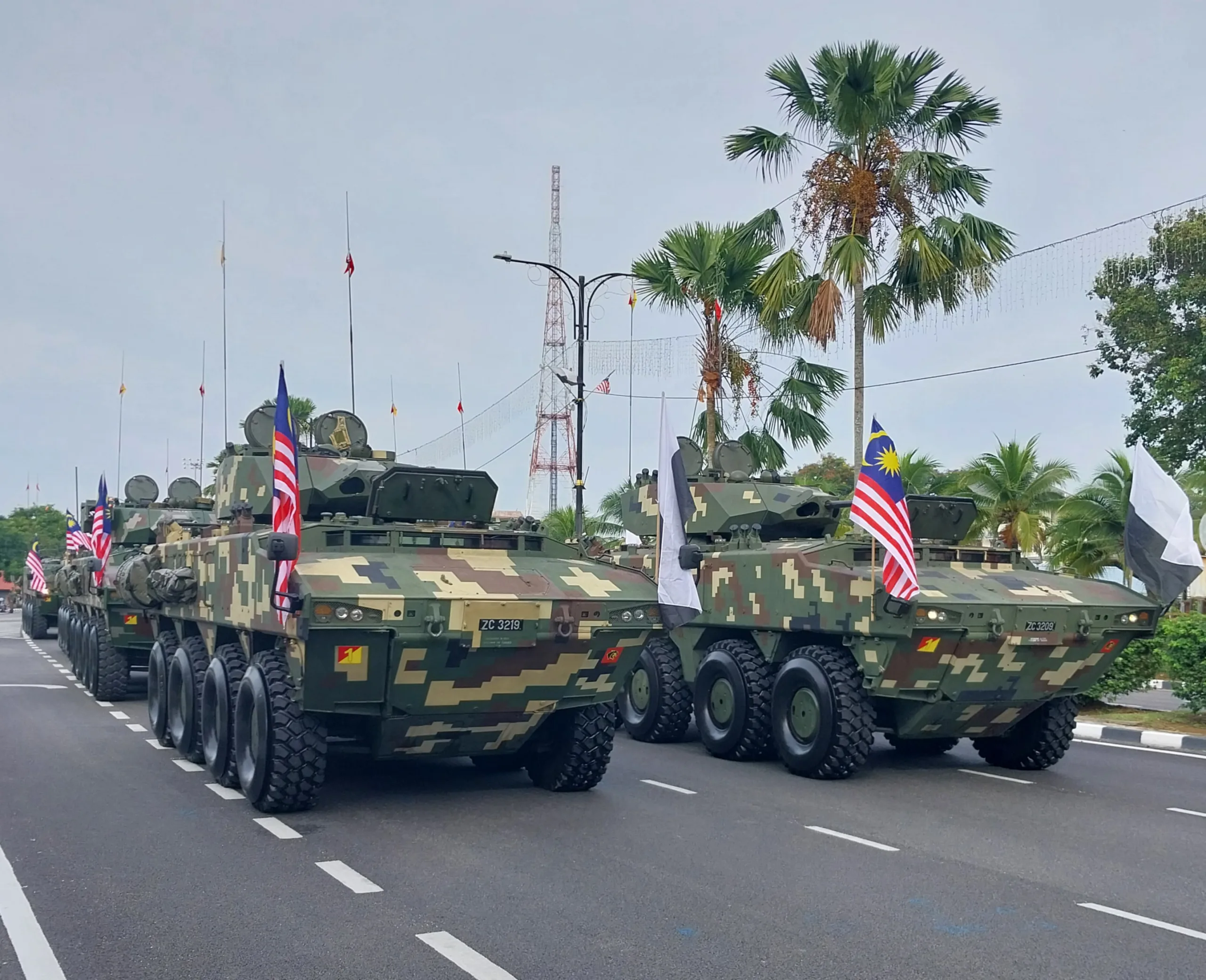
This rapprochement led to the launch of a joint project, valued at about $600 million, to develop and produce the eight-wheeled AV-8 Gempita armoured fighting vehicle. The project included the production of 12 variants designed to meet the Malaysian Army’s needs while developing the country’s defence industry. Deliveries began in 2014, establishing a foundation for defence industrial cooperation between the two countries.
In 2015, cooperation expanded from armoured vehicles to Malaysia’s naval capabilities, with Turkish company Aselsan delivering six 30 mm weapon systems to the Malaysian Coast Guard.
The following year, Malaysian Defence Minister Hishammuddin Hussein announced that the two countries were working to put their defence cooperation on a more structured footing. That year also saw the launch of a joint project between Malaysia’s Strategic Ethics, Türkiye’s BMC and Germany’s Rheinmetall to manufacture armoured vehicles.
Cooperation then began to take a more institutional form, with Aselsan opening a branch in Kuala Lumpur in 2017 to oversee its projects and expand its activities.
In 2018, Aselsan signed a memorandum of understanding with Malaysia’s National Defence University and DefTech to develop defence systems. According to Malaysian sources, these technological developments coincided with closer security and intelligence coordination with Türkiye, including counterterrorism cooperation and intelligence sharing.
Anka drones and the corvette project: 2019–2024
Bilateral relations and defence cooperation gained significant strategic momentum in 2019, beginning with the 15th Langkawi International Maritime and Aerospace Exhibition, held on Malaysia’s Langkawi Island in March.
Major Turkish defence companies, including TUSAS, Aselsan and Roketsan, took part in high-level talks attended by Defence Industry Agency head Ismail Demir and Türkiye’s ambassador to Kuala Lumpur, Merve Kavakci. Their participation culminated in the signing of 10 bilateral agreements and memorandums of understanding covering the aerospace and defence industries.
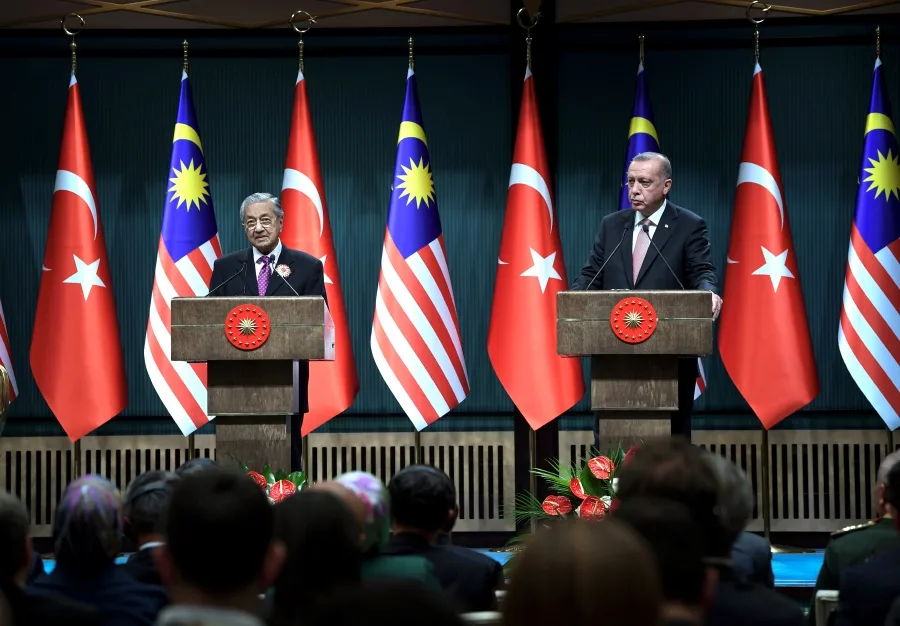
In July 2019, then-Malaysian Prime Minister Mahathir Mohamad made a four-day visit to Türkiye at President Erdogan’s invitation. Observers regarded the visit as a key milestone in military cooperation. It was followed by a summit between the two leaders in Kuala Lumpur, which resulted in the signing of 14 memorandums of understanding between defence and technology companies from both countries.
During this period, Malaysian Defence Minister Mohamad Sabu also emphasised his country’s desire to strengthen cooperation with Türkiye in developing its defence industries, particularly military vehicles, drones, and advanced military equipment and technologies.
Further developments followed in 2021, including a visit to Malaysia by a delegation from Turkish Aerospace Industries (TAI), a cooperation agreement with Universiti Kuala Lumpur and the opening of a TAI office in Malaysia at the end of the year. Turkish defence exports to Malaysia rose from about $1.945 million in the first quarter of 2021 to about $2.257 million in the first quarter of 2022.
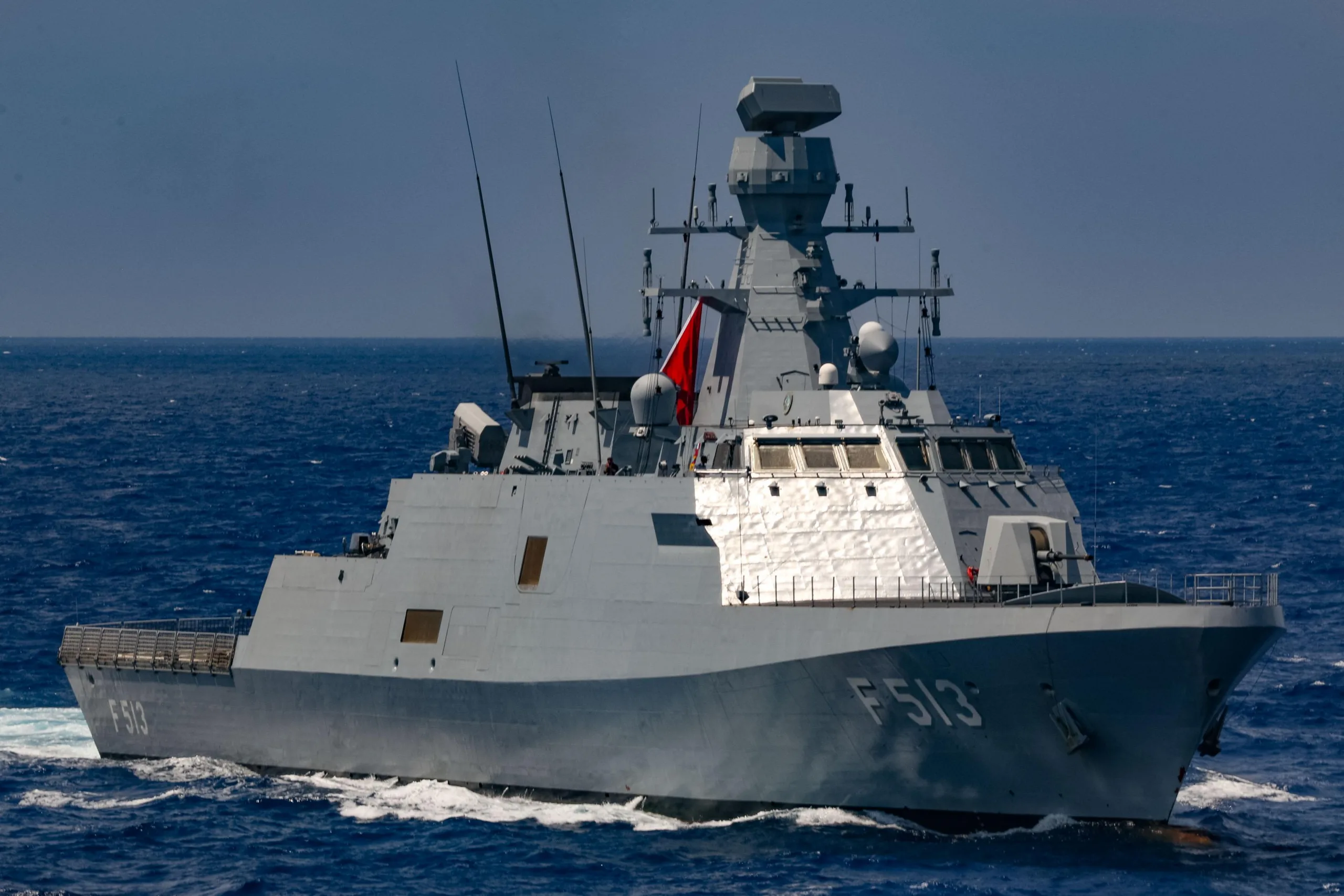
Maritime cooperation has also become increasingly important strategically amid tensions Malaysia has faced in the South China Sea and harassment by Chinese coast guard vessels since 2020. Seeking to strengthen its naval capabilities, Kuala Lumpur turned to Turkish defence company STM to build three warships worth nearly $520 million.
Cooperation gained further political and industrial momentum in July 2022. Malaysian Prime Minister Ismail Sabri visited Türkiye and toured “MKE” and “TAI”. The two sides signed seven cooperation agreements covering defence, industry, technology, health and media.
The visit paved the way for broader cooperation. In October 2022, Turkish Aerospace Industries won an official tender to supply Malaysia with drones, while Malaysia submitted a request to acquire 20 Turkish armoured personnel carriers. At the LIMA maritime and aerospace exhibition in May 2023, Turkish companies signed further agreements with Malaysian companies and Malaysia’s National Defence University.
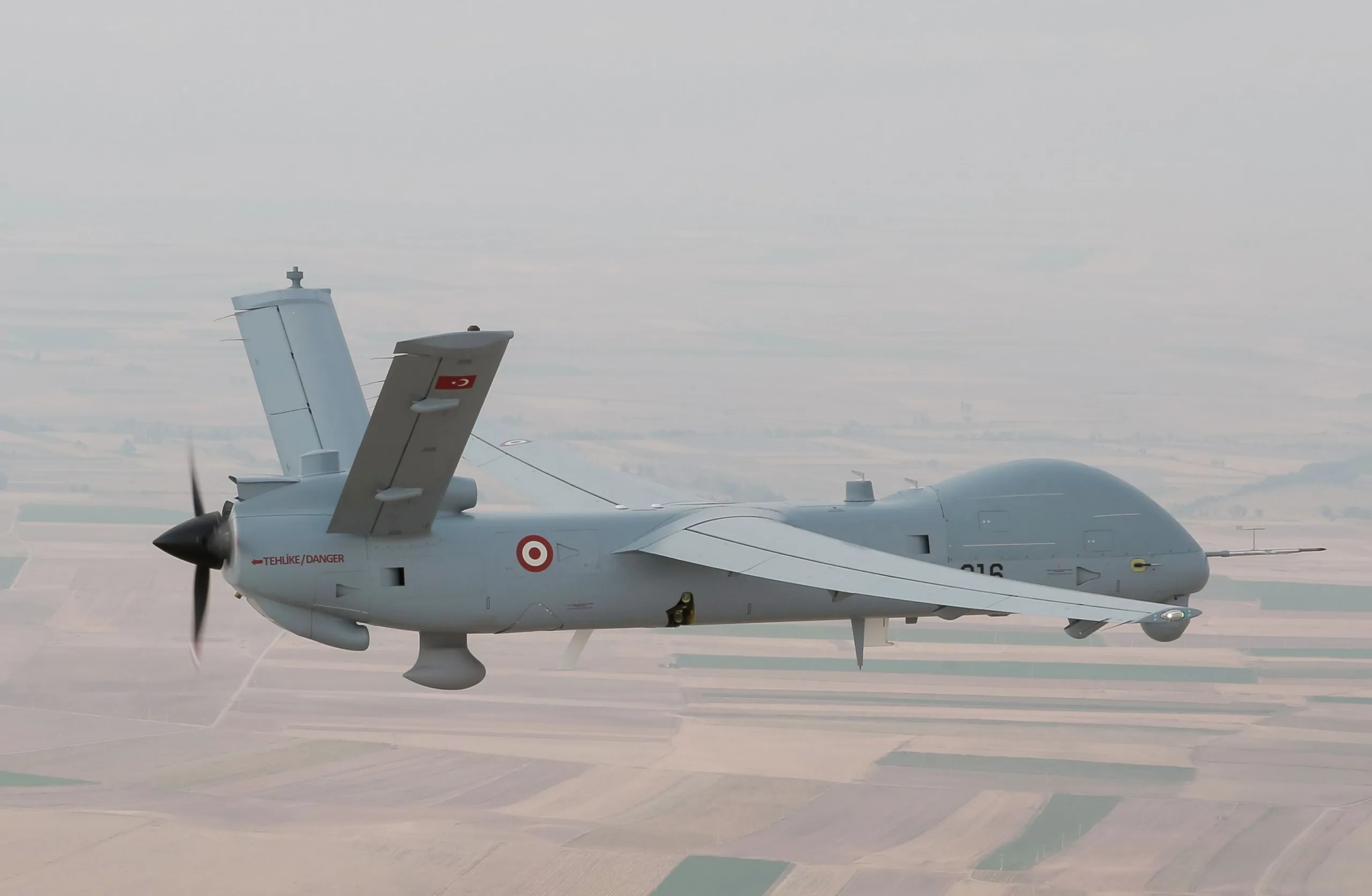
LIMA 2023 also produced a major drone deal. In May 2023, Malaysia signed a $91.6 million contract to purchase three Anka drones specialising in intelligence and surveillance missions. The first was delivered in June 2025 and made its first flight in Malaysian airspace in April 2026.
As the drone deal progressed, cooperation expanded in 2024 to include upgrades to Malaysia’s naval capabilities and stronger maintenance and technical support services. In June 2024, Malaysian Defence Minister Mohamed Khaled Nordin visited Ankara, where he met his Turkish counterpart, Yasar Guler. Contracting procedures for the purchase of three corvettes for the Royal Malaysian Navy were also completed during the visit.
The two countries also signed a technical agreement covering technical services and maintenance for military transport aircraft operated by both, including the Airbus A400M, Airbus CN-235 and Lockheed C-130 Hercules.
In August 2024, the Turkish defence minister was received in Kuala Lumpur. The two sides agreed to conclude a new memorandum of understanding on military cooperation and expand joint manufacturing and technology transfer.
Joint manufacturing and the Strategic Cooperation Council: 2025–2026
Defence relations developed significantly in 2025, beginning with President Recep Tayyip Erdogan’s official visit to Malaysia in February. During the visit, the two countries announced the establishment of the “High-Level Strategic Cooperation Council.” They also signed 11 agreements and memorandums of understanding covering energy, trade, defence industries, communications systems, and scientific and technological research.
In February 2025, Malaysian Defence Minister Mohamed Khaled Nordin announced the signing of two memorandums of understanding on industrial cooperation between Türkiye and Malaysia, alongside an agreement to establish a “joint committee for defense products” and a committee for cooperation on strategic communications systems. The defence agreements also included a memorandum of understanding to build a $68 million multi-mission vessel for the Malaysian Maritime Enforcement Agency (MMEA), intended to monitor the South China Sea and combat infiltration and smuggling.
On the sidelines of LIMA 2025 in May, Turkish defence companies expanded their partnerships with Malaysian firms. STM signed two cooperation agreements with two Malaysian companies covering military naval systems and small tactical drones.
Cooperation continued into early 2026. In January, Ankara hosted a meeting of the High-Level Strategic Cooperation Council, chaired by Erdogan and Malaysian Prime Minister Anwar Ibrahim. The two sides held talks that included defence industries and signed several agreements to strengthen strategic cooperation.
Malaysia also received three Anka-S aircraft in January 2026 as part of a phased acquisition that could reach nine aircraft. These represent a major advance in Malaysia’s intelligence, surveillance and reconnaissance capabilities.
On the sidelines of the Defence Services Asia Exhibition in Kuala Lumpur in April 2026, Turkish company Havelsan signed an agreement with Malaysia’s MIMOS to develop an integrated national artificial intelligence and cybersecurity system. Aselsan concluded three agreements with local Malaysian companies covering air defence, satellite communications and armoured vehicle projects.
In August 2026, STM launched the third vessel in its three-ship project for the Royal Malaysian Navy. The two countries’ defence ministries also met in Ankara to discuss defence policy and strategy, geopolitical security issues, the exchange of views and information, arrangements for cooperation and future defence cooperation programmes.
Why Malaysia chose Türkiye
The defence partnership between Türkiye and Malaysia is classified among the “strong options,” scoring 81 out of 100 on the “EM-PFI” index. This reflects the suitability of Turkish weapons for the Malaysian military’s needs and the country’s geography and climate, alongside rapid delivery, logistical services, technology transfer, local production and the potential for future upgrades.
Turkish defence companies appeal to Malaysia because they offer advanced military technologies at competitive prices and are willing to undertake joint manufacturing, transfer technology and establish defence production locally.
The partnership is particularly important as Malaysia seeks to modernise its land, air and naval forces, preserve its freedom to make strategic decisions and avoid becoming beholden to the intensifying competition between the US and China.
The 2020 Defence White Paper sets out Kuala Lumpur’s approach to national security, providing a strategic framework for responding to regional shifts. It emphasises diversifying defence partnerships while avoiding alignment with any particular international camp. This approach reflects Malaysia’s complex geography and its position at the intersection of maritime corridors vital to global trade and energy security, including the Strait of Malacca and the South China Sea.
This approach culminated in the adoption of the “National Defense Industry Policy,” aimed at reducing dependence on external parties for security and defence and building a more self-reliant domestic industry. Prime Minister Anwar Ibrahim launched the policy in the presence of Defence Minister Mohamed Khaled, who stressed that the complexity and uncertainty of the international security environment required Malaysia to strengthen its defence capabilities and develop a domestic defence industry.
Protecting Malaysia’s maritime interests is also becoming more important, particularly given the possibility of a confrontation over the Taiwan Strait and its potentially far-reaching repercussions for the region. Türkiye offers Malaysia a defence partner thanks to the development of its military industries and its willingness to meet some of Malaysia’s domestic defence needs. More importantly, Türkiye does not impose restrictive conditions or political dictates, unlike many Western countries.
The range of Turkish defence products is another attraction. They include tanks, armoured vehicles, artillery, electronic systems and warships, as well as drones such as Bayraktar, Aksungur and Kaan.
Turkish defence products also cost less than their Western counterparts while remaining compatible with NATO standards. Although Türkiye is officially a secular state, its Muslim-majority population is a further attraction for Malaysian decision-makers.
On 8 January 2026, Malaysian Prime Minister Anwar Ibrahim praised Türkiye’s progress in the defence industry. He said combining Turkish expertise in defence and manufacturing with Malaysia’s strengths in advanced technology and energy provided a strong foundation for long-term cooperation between the two countries.
Turkish defence cooperation with Malaysia goes beyond conventional procurement deals. It involves transferring technological expertise, joint production, and developing local personnel and expertise. Malaysian experts therefore recommend integrating the country’s industrial strategy with Türkiye into the broader framework of Kuala Lumpur’s defence and foreign policy, while prioritising the establishment of defence production in Malaysia.
Türkiye’s strategic gains
In 2019, Türkiye launched the “Asia Anew” initiative to expand its presence in Asia and strengthen ties across the continent. It aimed to use its industrial and defence capabilities to build partnerships beyond its traditional regional reach. Türkiye has sought to offer cooperation based on joint development, technology transfer and mutually beneficial industrial partnerships.
Cooperation with Malaysia gives Ankara a defence partner in Southeast Asia, where US, European, South Korean and Chinese companies compete.
Turkish contracts and agreements provide a sustained market presence, relationships with defence institutions and local companies, and opportunities to participate in exhibitions and new projects. Türkiye also strengthens its geopolitical influence in strategically important regions, while defence cooperation provides a lucrative source of revenue.
The partnership allows Türkiye to consolidate a new position within Asia’s military-industrial complex and gain access to a broader regional market. It also gives Turkish companies a record of completed projects to draw on when marketing their products to other countries. Major Turkish defence companies, including Aselsan, Havelsan and STM, have strengthened their presence in Malaysia.
The development of Malaysian-Turkish defence cooperation reveals a multifaceted strategic partnership capable of reshaping security dynamics in Southeast Asia.
