








In a move that deepens the suffering of Palestinians and intensifies Israel’s policy of collective punishment, the Israeli occupation government has announced its intention to revoke the operational licenses of dozens of international humanitarian organizations working in the West Bank and Gaza Strip, starting January 1, 2026.
Israel’s so-called Ministry of Diaspora Affairs has ordered the closure of 37 aid organizations, citing their alleged failure to comply with new registration requirements and to submit detailed information about their staff, funding sources, and activities. As a result, these organizations will be forced to halt operations within 60 days and leave Palestinian territories by March 1, 2026.
Targeted Organizations and Their Humanitarian Role
Among those facing a ban are some of the most respected global relief and medical agencies, including:
-
Médecins Sans Frontières (Doctors Without Borders)
-
Norwegian Refugee Council (NRC)
-
CARE International
-
International Rescue Committee (IRC)
-
ActionAid
-
Oxfam
-
Caritas
These organizations provide a broad range of critical services across Palestinian territories, including:
-
Emergency medical care, field hospitals, and health clinics
-
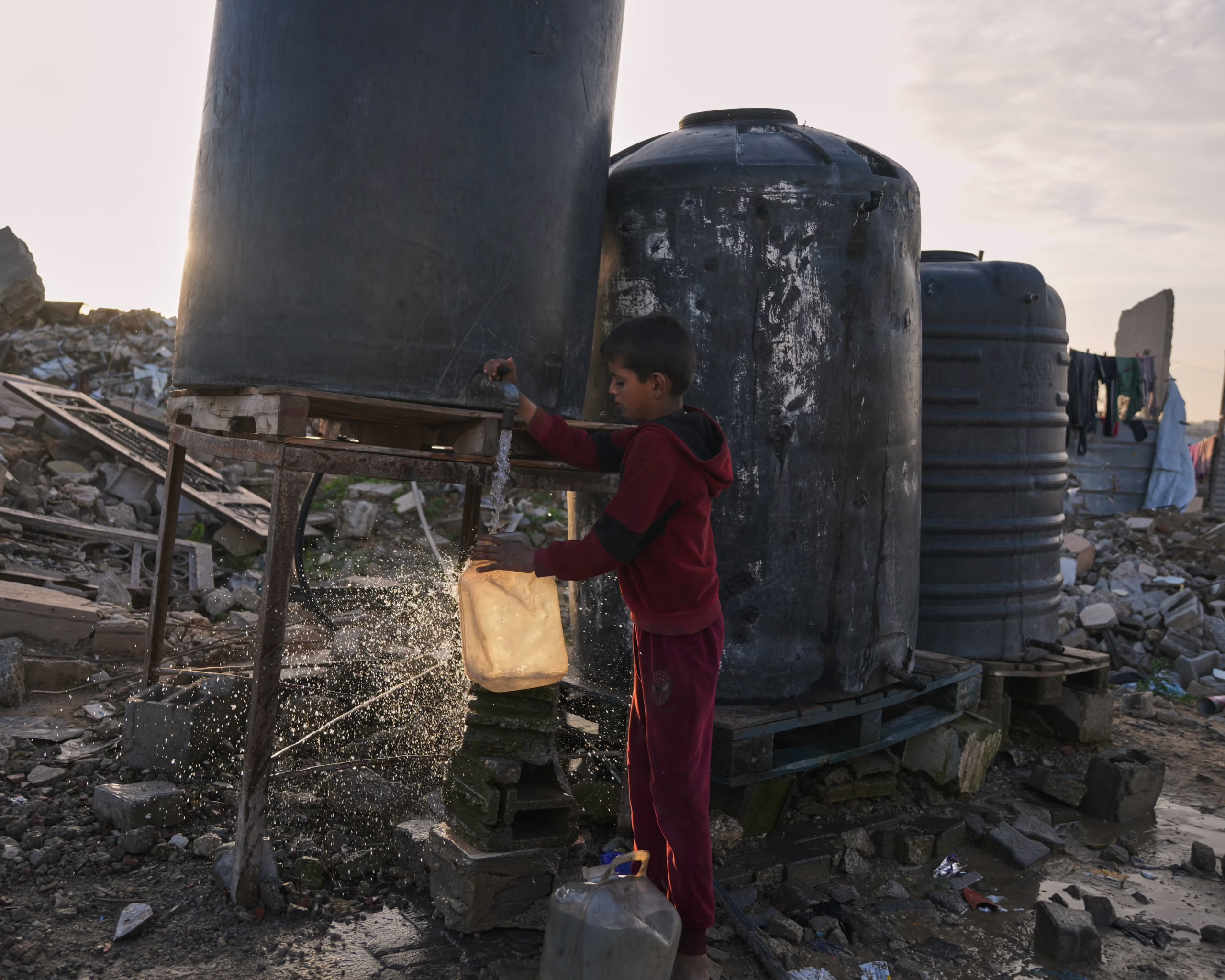
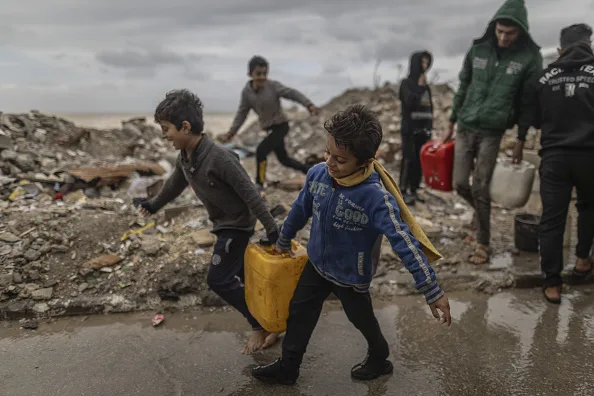
Distribution of food, clean water, and support for sanitation projects
-
Shelter, education, and psychological support for hundreds of thousands of civilians
Israel’s Justifications for Revoking Licenses
The Israeli authorities claim the decision stems from “security concerns” and “counterterrorism efforts” following changes made in March 2025 to the registration process for NGOs.
Under the revised rules, international organizations are required to submit detailed rosters of their staff—particularly those in Gaza—for what Israel terms “security vetting,” allegedly to prevent the infiltration of “terrorist elements.” This vague accusation has frequently been used by Israeli authorities to criminalize humanitarian work and justify its suppression.
Israel’s Ministry of Diaspora Affairs claims some organizations refused to comply, despite being given a ten-month deadline to meet the new requirements.
In particular, the Ministry alleged that Doctors Without Borders employed individuals affiliated with Hamas and Islamic Jihad, claiming these staff members used their humanitarian roles for military purposes.
Doctors Without Borders categorically denied the allegations, calling them “baseless,” and insisted it would “never knowingly employ individuals involved in armed activity.”
International organization representatives have rejected Israel’s justifications, calling the new regulations arbitrary, opaque, and politically motivated.
Several European agencies expressed legal and ethical concerns about Israel’s demands for Palestinian employee lists, citing potential violations of EU data protection laws and the risks such disclosures could pose to staff under current conditions.
Some organizations have declined to provide the data out of fear for the safety of their staff and facilities especially after the killing of hundreds of aid workers during Israel’s most recent assault on Gaza.
The Association of International Development Agencies (AIDA) proposed an independent third-party vetting mechanism as an alternative to direct data transfer to Israel, but Israeli authorities refused any discussion of the matter.
Human rights advocates argue that these demands amount to political and security blackmail, rather than legitimate administrative procedures.
The Real Motives Behind the Crackdown
Locally, representatives of the Palestinian NGO Network in Gaza point to a broader Israeli strategy aimed at worsening the humanitarian crisis, forcing displacement, and dismantling the foundations of Palestinian resilience by stripping communities of essential services and pressuring them to leave in search of healthcare or basic necessities.
They view the restrictions on humanitarian operations as an extension of Israel’s long-standing blockade of Gaza, where aid is weaponized as a tool of negotiation and control.
The impact extends to the West Bank as well, where many of these organizations support development and relief projects in Palestinian villages and refugee camps. Their removal would deprive large segments of the population of access to education, healthcare, and food assistance.
The Palestinian Ministry of Foreign Affairs condemned the Israeli move, stating that Tel Aviv “seeks to eliminate witnesses to its crimes and dismantle institutions that support the Palestinian people and challenge Israel’s colonial project to destroy their lives.”
The Ministry emphasized that the targeted organizations focus on core humanitarian issues children, healthcare, education, water, and refugee support which are all central to the Palestinian cause.
Impact on Palestinians
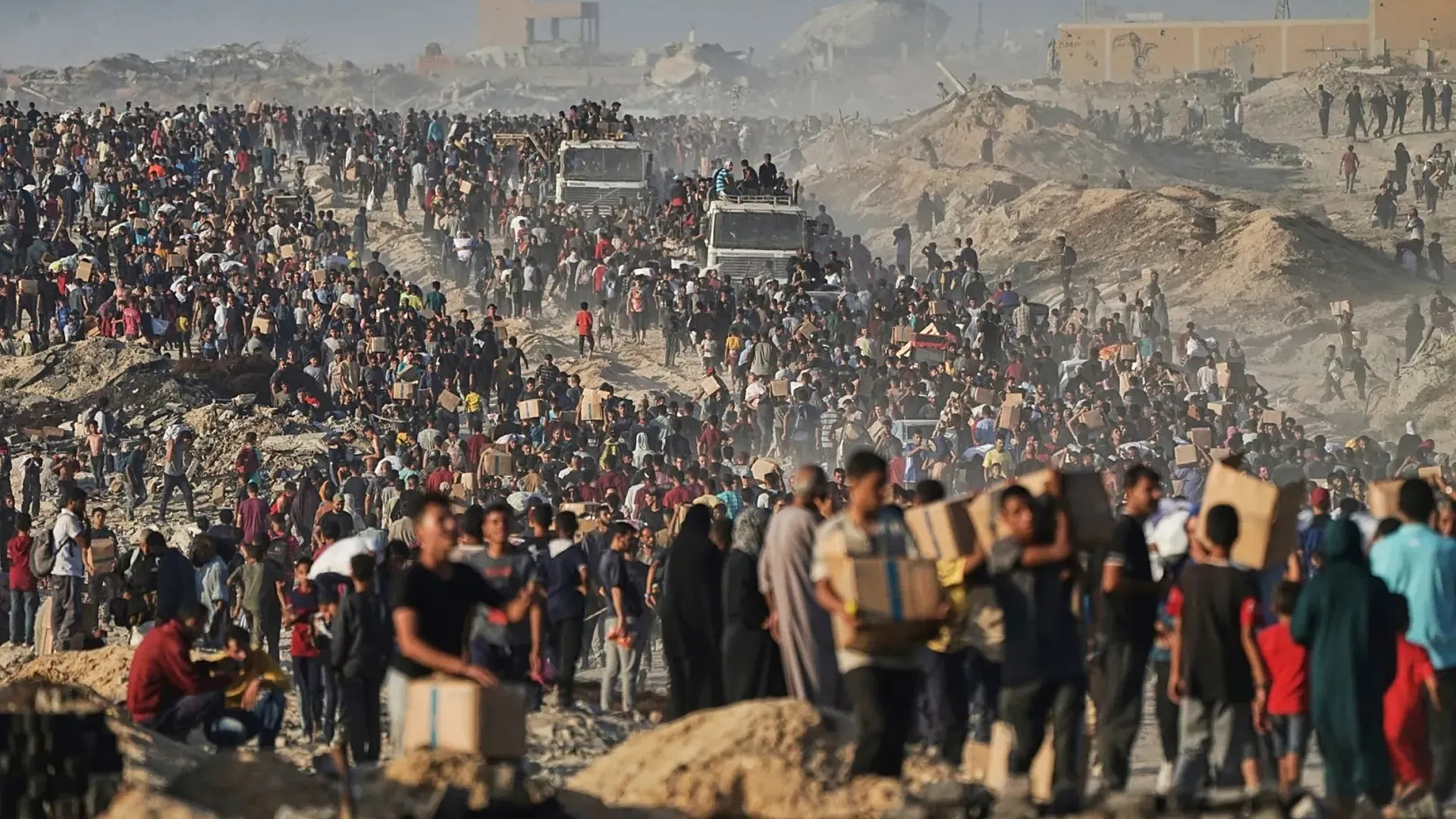
Relief experts warn of catastrophic consequences if these closures proceed. The impact of Doctors Without Borders alone illustrates the scale of the crisis:
-
The organization supports roughly 20% of all hospital beds in Gaza.
-
It oversees nearly one-third of all childbirths in the territory.
-
It provides clean water and healthcare to around half a million people annually.
The organization warned that the license revocations will:
-
Paralyze life-saving medical services in Gaza’s already-collapsing health system.
-
Deny hundreds of thousands access to essential care, clean water, and other vital services.
-
Exacerbate disease outbreaks and mortality rates.
-
Render Gaza unable to meet urgent humanitarian needs, creating a “new humanitarian catastrophe” for its besieged civilian population.
The threat goes far beyond Doctors Without Borders. Other banned organizations play a critical role in meeting Palestinians’ basic needs.
According to a joint statement by over 200 local and international relief organizations, along with the United Nations, international NGOs operate or support the majority of field hospitals, primary care centers, emergency shelters, and water and sanitation services in Gaza.
The statement warned that canceling their registrations would lead to a catastrophic collapse in the delivery of essential services to millions of Palestinians.
Aid organizations stress that barring their operations will place an unbearable burden on already overextended local teams, creating a gap that no single entity including the United Nations can fill.
A Deliberate Strategy to Crush Humanitarian Work
This latest measure is part of a broader Israeli campaign to dry up humanitarian operations, a policy that intensified after Israel’s war on Gaza in October 2023. Since then, the far-right Israeli government has stepped up accusations that UN agencies and NGOs are complicit with Hamas or facilitating its activities.
The UN Relief and Works Agency (UNRWA) has been a primary target. Israeli officials have accused it of being “infiltrated by Hamas” and “indoctrinating a new generation into extremism,” claiming its aid benefits militants.
The campaign escalated in early 2025 when Israel banned UNRWA from operating in its territories and severed all formal ties. In December 2025, Israel passed a law requiring utility and banking companies to cease all services to the agency.
This came despite the International Court of Justice clearing UNRWA of bias and misconduct allegations. Nonetheless, Israel’s efforts to undermine the agency persisted, culminating in the United States suspending funding to UNRWA in early 2024 further worsening its financial crisis.
Israel’s crackdown hasn’t been limited to large international bodies. In October 2021, it labeled six leading Palestinian civil society and human rights groups as “terrorist organizations,” claiming ties to the Popular Front for the Liberation of Palestine.
Those included prominent groups such as Al-Haq, Addameer, and the Union of Agricultural Work Committees organizations focused on documenting human rights abuses and providing legal and social services to Palestinians.
The blacklisting of those groups and the current shutdown of new organizations have drawn widespread condemnation from the United Nations, Western governments, and global rights groups. Many have urged Israel to reverse course, warning that these shutdowns push the humanitarian response in Gaza and the West Bank to the brink of collapse.
Ultimately, this is not a bureaucratic dispute over paperwork or registration. It is a battle over Palestinians’ right to survive.
By dismantling humanitarian organizations, Israel aims to silence witnesses, raise the cost of resilience, and push Palestinians further toward despair and displacement a goal long embedded in its rhetoric and policies throughout the years of genocide.


