











The American military presence inside Syria has undergone fundamental shifts after Syrian forces assumed control of the Al-Shaddadi base in the countryside of Al-Hasakah in the country’s northeast, and Al-Tanf base at the tri-border area with Jordan and Iraq, within days of each other.
Yet this shift does not appear to signal a final withdrawal so much as a calculated American redeployment one that includes scaling back exposed bases, transferring heavy files such as ISIS prisons, and entrenching political and security influence through tools that are less costly and more fortified.
The following report traces the stages of the withdrawal, dissects Washington’s calculations behind it, and examines its connection to the transfer of ISIS detainees and the evacuation of Iraq’s Ain al-Asad base, as well as what this may mean for Syrians and for the regional balance of influence.
Stages of the American Withdrawal from Syria
1. From Fighting ISIS to the Post-Assad Era
The U.S. military presence in Syria began in mid-2014, when Washington formed an international coalition under the banner of combating ISIS.
The United States relied on the Syrian Democratic Forces (SDF) as its primary ground partner and built a network of bases supporting its deployment in the countryside of Al-Hasakah, Deir ez-Zor, and Raqqa. Among them was Al-Shaddadi base, which evolved into a logistical hub for drone operations and a storage site for heavy equipment.
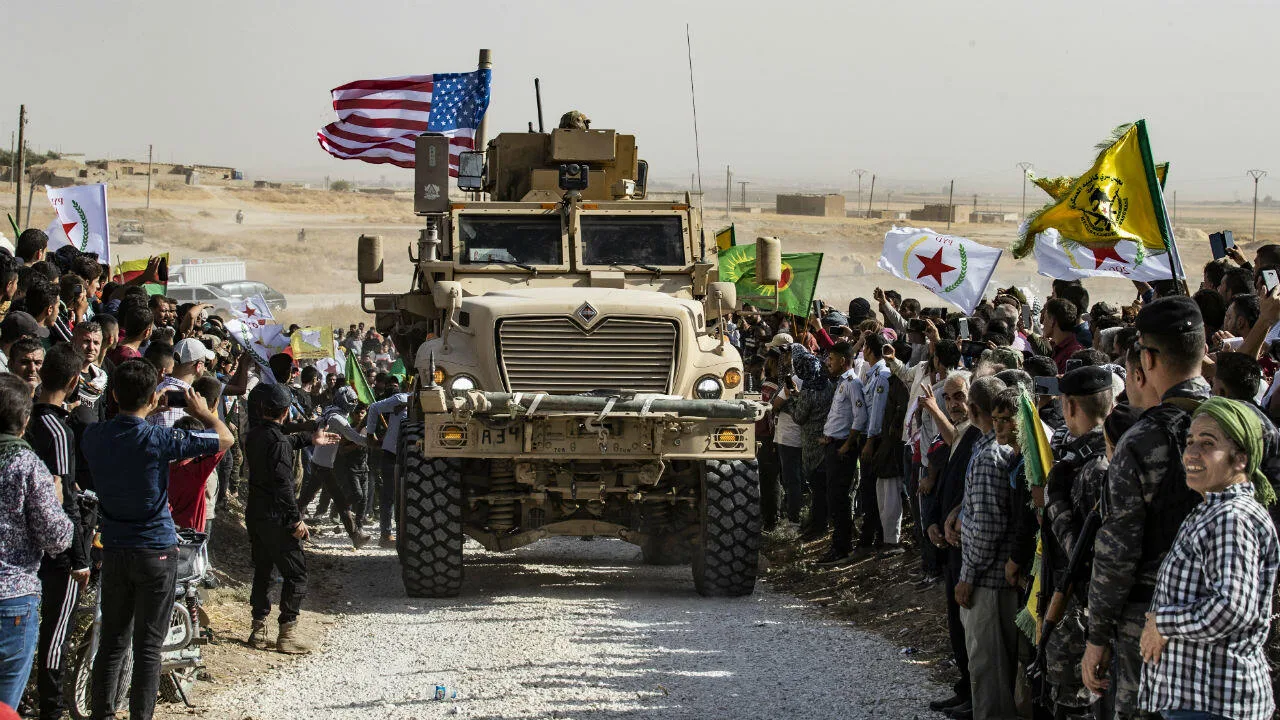
However, after the fall of Bashar al-Assad’s regime in December 2024, the American posture shifted. Washington announced that its need for the alliance with the SDF had “largely diminished.”
At the same time, it began opening channels with the new government in Damascus as part of a broader set of security arrangements designed to recycle American influence at lower cost and to negotiate a political settlement integrating SDF fighters into the national army.
This transition paved the way for a decision to reduce military bases. U.S. officials stated that the mission of American forces would be reframed toward training, coordination, and support ensuring continued U.S. leverage in the file while reducing the ground footprint.
2. Gradual Withdrawals from Northern Bases
The first indications of a drawdown emerged in the summer of 2025, when Reuters reported that U.S. forces had evacuated the Tal Baydar and Al-Wazir bases in Al-Hasakah province, leaving them empty except for SDF personnel tasked with guarding them. The number of bases vacated by American forces thus rose to four since Donald Trump’s re-election.
At the time, SDF commander Mazloum Abdi confirmed that Washington’s plan aimed to reduce the number of bases from eight to just one, with a potential troop reduction from 2,000 to roughly 500 soldiers.
3. Transferring ISIS Prisoners and Dismantling Detention Sites
On January 21, Washington began transferring thousands of ISIS members from prisons in northeastern Syria to Iraq.
On February 13, U.S. Central Command (CENTCOM) announced the completion of the transfer of more than 5,700 detainees from prisons in northeastern Syria to Iraq. The 23-day operation followed a swift offensive by Syrian government forces against SDF-held areas.
CENTCOM stated that the objective of the transfer was to “prevent the re-emergence of the organization.” In practical terms, however, it shifted the burden of detention facilities from Syrian to Iraqi geography, raising questions about the political and security cost.
The operation coincided with a ceasefire agreement signed on January 29, 2026, stipulating the gradual integration of SDF fighters into the Syrian army meaning that responsibility for guarding prisons would eventually pass to Syrian authorities.
4. Damascus Reclaims Al-Tanf and Al-Shaddadi
Events accelerated in February 2026. On February 12, Syria’s Ministry of Defense announced that the Syrian army had taken control of Al-Tanf base in coordination with the United States.
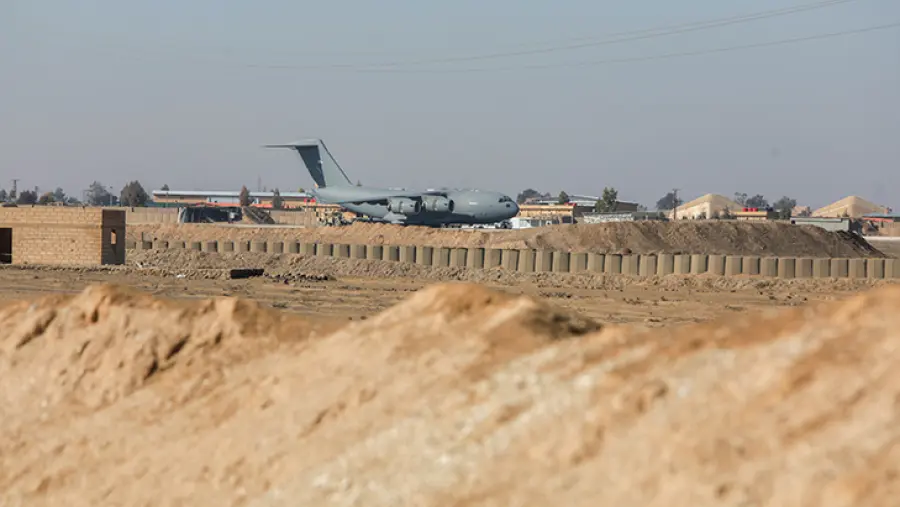
This was confirmed by U.S. Central Command, which said the move was part of the Pentagon’s plan to reposition forces in Syria, adding that American troops would remain prepared to respond to any threat from ISIS.
Reuters reported that roughly 1,000 U.S. soldiers had been stationed in Syria prior to the withdrawal, and that the move could represent “a step toward a larger withdrawal.”
Just three days later, Syria’s Ministry of Defense announced it had regained control of Al-Shaddadi base, also in coordination with the American side. U.S. forces began flowing from Al-Tanf to Jordan (Tower 22), and from Al-Shaddadi to Iraqi Kurdistan (Harir), reinforcing the role of neighboring states as platforms of containment rather than sites of direct deployment.
The Objectives of the Withdrawal and Washington’s Options
The withdrawal can be understood through three principal objectives:
1. Redefining Relations with the New Damascus
Since the ousting of Assad, Washington has sought to craft security arrangements with the new government. This explains both the integration of SDF fighters into the Syrian army and the return of bases to Syrian authorities.
2. Reducing Military Costs
Washington has emphasized that its forces “will remain ready to respond to any ISIS threat,” and that air operations continue. Between February 3 and 12 alone, CENTCOM carried out more than ten airstrikes targeting ISIS sleeper cells.
3. Shielding Troops from Iranian-Linked Attacks
The U.S. withdrawal from Al-Shaddadi and Al-Tanf coincides with another drawdown from Iraq’s Ain al-Asad base in Anbar province.
Multiple reports indicate that this move forms part of a broader plan to redeploy American forces and reduce the number of sites vulnerable to attacks by Iran and its allies particularly amid rising tensions between Washington and Tehran.
Does the Withdrawal Mean the End of the U.S. Presence?
Despite the scale of the drawdown, the United States does not appear poised to disappear entirely from Syria or Iraq in the near term. Rather, it is reshaping the form and nature of its presence. Security sources say the number of U.S. troops remaining in Syria ranges between 900 and 1,000, stationed at Kharab al-Jir base in the southern countryside of Rmelan, northeast of Al-Hasakah, which includes military equipment and a small airstrip.
U.S. forces also maintain the Qasrak base along the M4 international highway linking Syria and Iraq near Tal Tamr, where they are primarily stationed and from which they currently lead coalition operations.
American troops remain present at smaller sites near the Iraqi border, in addition to forces stationed at Jordan’s Tower 22 base. Meanwhile, Iraq’s withdrawal plan stipulates a limited continued presence through the end of 2026.
Washington also retains the right to conduct airstrikes against ISIS at any time. The transfer of detainees to Iraq and the agreement to integrate the SDF into the Syrian army demonstrate that its political leverage remains substantial.
In short, Washington is not exiting the Syrian stage so much as recalibrating the instruments of its presence from dispersed bases and exposed troops to fewer positions, air support, intelligence coordination, and tailored agreements designed to safeguard its interests.


