










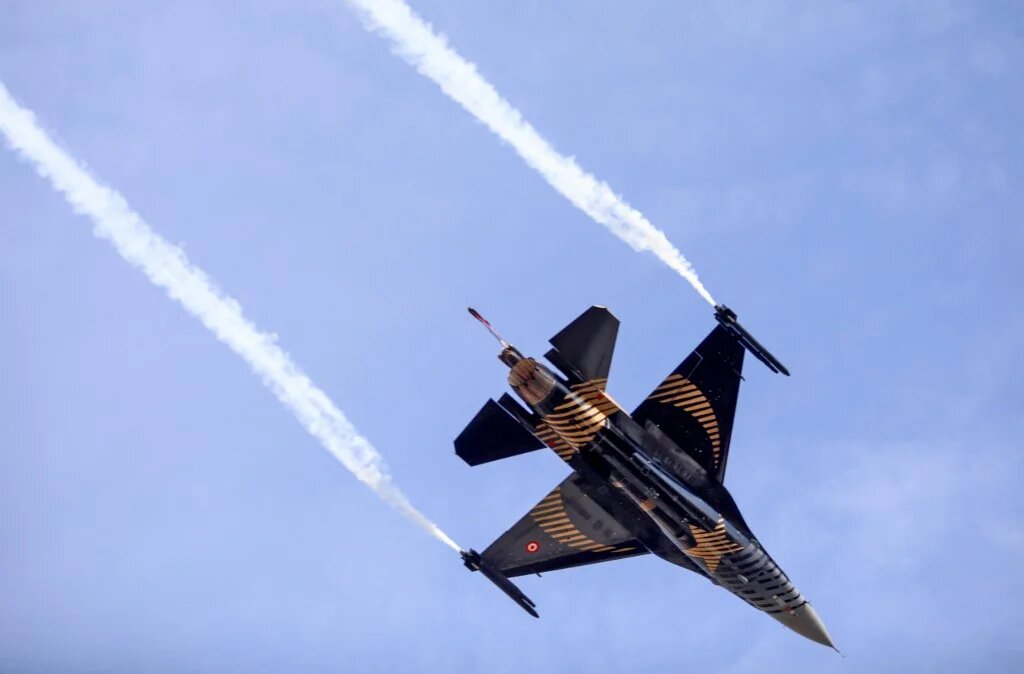
In a move signaling a deepening military presence in the Horn of Africa and sending a pointed message to Israel Turkish officials have confirmed the deployment of F-16 fighter jets to the Somali capital, Mogadishu.
The deployment comes amid Israel’s intensified efforts to establish a military foothold in the breakaway region of Somaliland, a move Ankara views as a blatant interference in Somalia’s internal affairs and a threat to regional stability.
Ankara strongly condemned Israel’s recent recognition of Somaliland’s independence, calling it an illegal and destabilizing act underscoring an escalating regional contest for influence in the Horn of Africa.
Turkey’s New Fighter Jet Presence
The Turkish deployment, first reported by Agence France-Presse citing Turkish officials, is no hasty decision. Months of logistical and infrastructural preparations preceded the move. Satellite imagery reviewed by Middle East Eye shows new hangars built at Mogadishu airport since September 2025 to accommodate fighter aircraft.
This coincided with unusual activity by Turkish military cargo flights heading to Mogadishu. Open-source data revealed several missions transporting spare parts and munitions in preparation for the jets’ arrival.
Sources close to the matter indicated that the deployment also anticipates the dispatch of a Turkish oil exploration vessel to Somali waters later this year linking Ankara’s military support with the protection of its strategic energy investments.
The first Turkish F-16s landed in Mogadishu on January 28, 2026, accompanied by two military helicopters, according to Middle East Eye.
Turkish sources confirmed that the aircraft will be operated by Turkish crews stationed in Somalia not by Somali forces to ensure what one official described as “our own security.”
The developments point to an intensifying rivalry between Turkey and Israel for strategic dominance in the Horn of Africa. Turkey, which sees itself as Somalia’s primary patron, is moving decisively to counter any Israeli inroads that might threaten its pivotal role.
Turkish officials stated the presence of their fighter jets in Somalia serves as tangible proof of Turkish influence—not mere rhetoric—implicitly warning that Israeli moves will be met with active resistance from Ankara.
A Military Base and Defense Cooperation
Turkey’s military presence in Somalia is not new. Since 2017, it has operated its largest overseas military training base on the outskirts of Mogadishu, where up to 10,000 Somali troops have been trained as part of efforts to rebuild the national army.
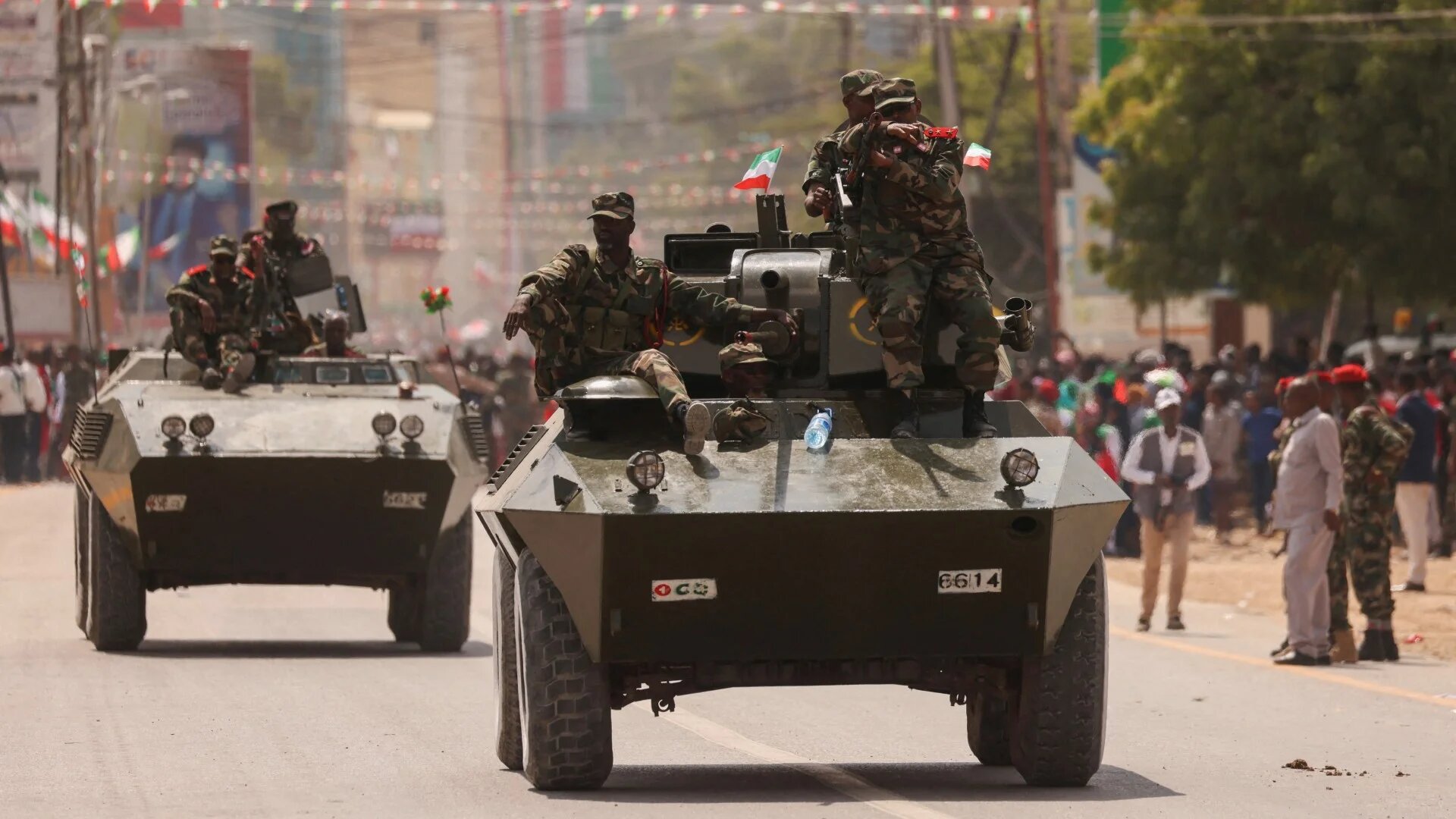
The Turkish Ministry of Defense says its mission in Somalia under the Somali-Turkish Task Force and its air component is centered on enhancing Somalia’s counterterrorism capabilities through military assistance, training, and advisory support.
Over the years, Ankara has trained thousands of Somali soldiers. Just this week, a graduate of Turkey’s military academy was appointed commander of the Somali army.
Turkish support goes beyond training. It has supplied Mogadishu with advanced weaponry, including armed drones, attack helicopters, and transport aircraft, under a defense agreement signed in 2024.
Turkey has also pledged to help Somalia establish a naval force to protect its coastline part of a broader vision to bolster the country’s defense and security capabilities.
Thanks to two decades of sustained military and economic support, Turkey has emerged as Somalia’s most significant international partner. Turkish companies manage critical ports and airports in Mogadishu and invest heavily in energy and infrastructure.
What’s Israel’s Role?
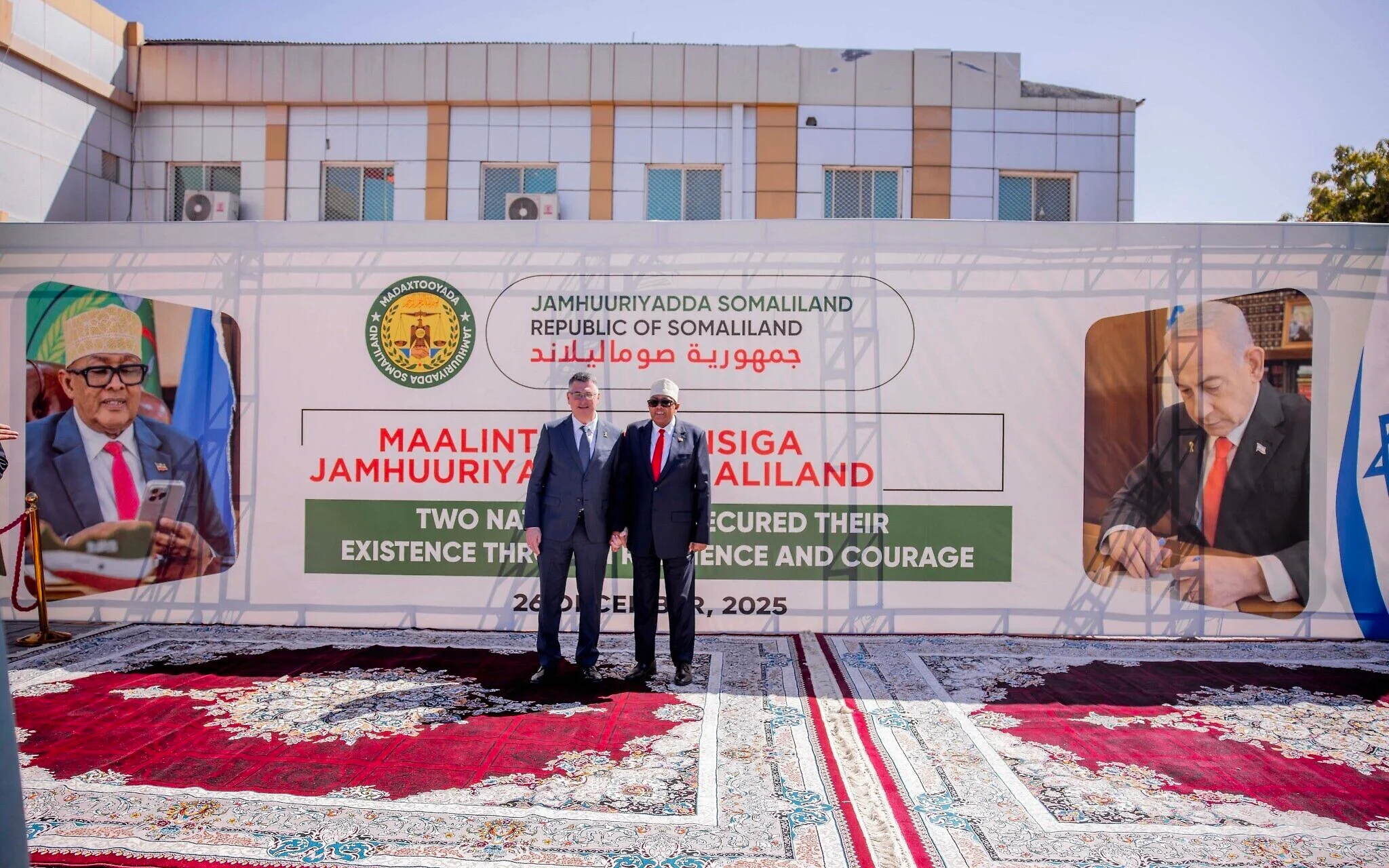
Turkey’s latest move coincides with Israel’s accelerated efforts to secure a military presence in the Horn of Africa via Somaliland. On December 26, 2025, Israel became the first entity to recognize Somaliland as an independent state an unprecedented step that sparked widespread Somali and regional condemnation.
Mogadishu responded by rallying international support for Somali unity, calling an emergency UN Security Council session and coordinating with Arab and African allies to oppose Israel’s recognition.
In the aftermath, Somaliland’s President Muse Bihi Abdi moved swiftly to deepen ties with Israel, hosting Israeli Foreign Minister Gideon Sa’ar in Hargeisa on January 6, 2026. Sources in the Somaliland government told The Times of Israel the two sides explicitly discussed the possibility of establishing an Israeli military base in the region a proposal reportedly “on the table and under discussion.”
Though Somaliland officials previously denied any secret agreements involving foreign bases or refugee resettlement, they later confirmed openness to security cooperation with Israel, including safeguarding maritime areas off Yemen’s coast.
These developments suggest a budding alliance between Israel and Somaliland that could soon include reciprocal embassies and broader security agreements laying the groundwork for a permanent Israeli military presence in the region.
Turkish President Recep Tayyip Erdoğan accused Israeli Prime Minister Benjamin Netanyahu’s government of seeking to drag the Horn of Africa into chaos and instability through its moves in Somaliland.
Erdoğan condemned Israel’s unilateral recognition as illegitimate, accusing the Israeli government “which has shed the blood of 70,000 of our Palestinian brothers” of expanding its aggression to new fronts in Africa.
Despite regional and international pushback, Israel appears determined to press forward. Netanyahu recently affirmed there would be no reversal of Israel’s recognition of Somaliland, hinting that the region might join the Abraham Accords to boost its international legitimacy.
A Looming Battleground?
From a strategic standpoint, analysts point to the port of Berbera in Somaliland as the likely site of a future Israeli base. Its location on the Gulf of Aden and proximity to hot zones in the Arabian Peninsula make it a coveted asset.
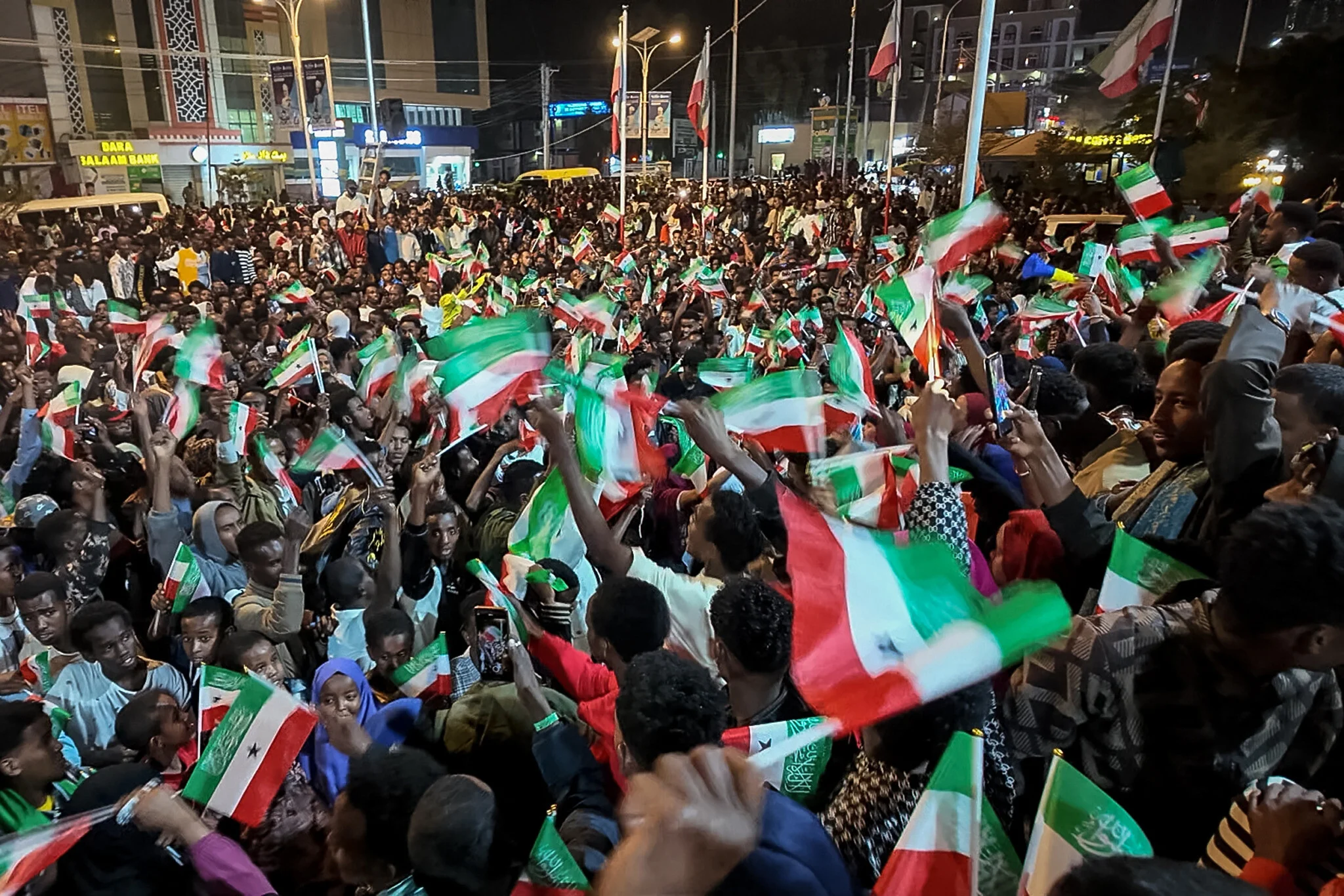
According to the International Institute for Strategic Studies (IISS), operating Israeli air assets out of Berbera would significantly expand Israel’s regional reach. At just 550 kilometers from Sanaa, Yemen compared to 1,800 kilometers from Israel’s current bases Berbera would drastically reduce strike distances, particularly for operations targeting Iranian-backed Houthi forces.
Recent satellite imagery reveals ongoing development at Berbera airport, including what appear to be new fuel and ammunition storage facilities potentially paving the way for advanced Israeli aircraft such as F-15s and F-35s.
These upgrades align with previous Emirati investments in the port, likely tied to Abu Dhabi’s arrangements with Somaliland. The UAE has already used Berbera as a logistical bridge for supporting its allies during the conflict in Sudan.
In late January 2026, Italian outlet Inside Over reported that Israel’s base-building efforts in Somaliland could trigger a new power struggle in the Horn of Africa, this time between Tel Aviv and Ankara.
The site noted that Israel is pushing forward with its plan to build an airbase in Berbera, though the move could face resistance from Somaliland itself and fierce opposition from Turkey, which is determined to protect its interests in the region.
As Inside Over put it: “It is no coincidence that three Turkish F-16s and two attack helicopters arrived in Mogadishu on Wednesday, January 28, to support Somali government operations against al-Shabab militants.”
These developments signal that the Horn of Africa may be transforming into an open battleground between Turkey and Israel. While Turkey seeks to defend its Somali ally and consolidate its historical presence in the region, Israel is trying to extend its military reach into new arenas with backing from regional partners.
Caught in this geopolitical tug-of-war, Ankara appears resolute in blocking any Israeli intrusion into its traditional sphere of influence setting the stage for growing tension in one of the world’s most strategically sensitive regions.


