





Amid the ruins of demolished homes and a deafening global silence, thousands of Palestinian bodies remain buried under the rubble in Gaza awaiting not a funeral, but simply to be retrieved. As mothers groan under the weight of loss and the debris silently mourns the children who perished without farewell, international teams race to recover the bodies of Israeli soldiers as though humanity were now measured by nationality, not tragedy.
Since the ceasefire agreement on October 10, international urgency has surfaced not to clear the rubble from civilian victims or aid the now-homeless but to help recover the remains of Israeli soldiers killed by their own army in Gaza.
In contrast, the remains of more than 10,000 Palestinian martyrs remain lost, silenced beneath shattered homes, some held for over two years without prompting any serious international action.
A Suffering Without a Voice
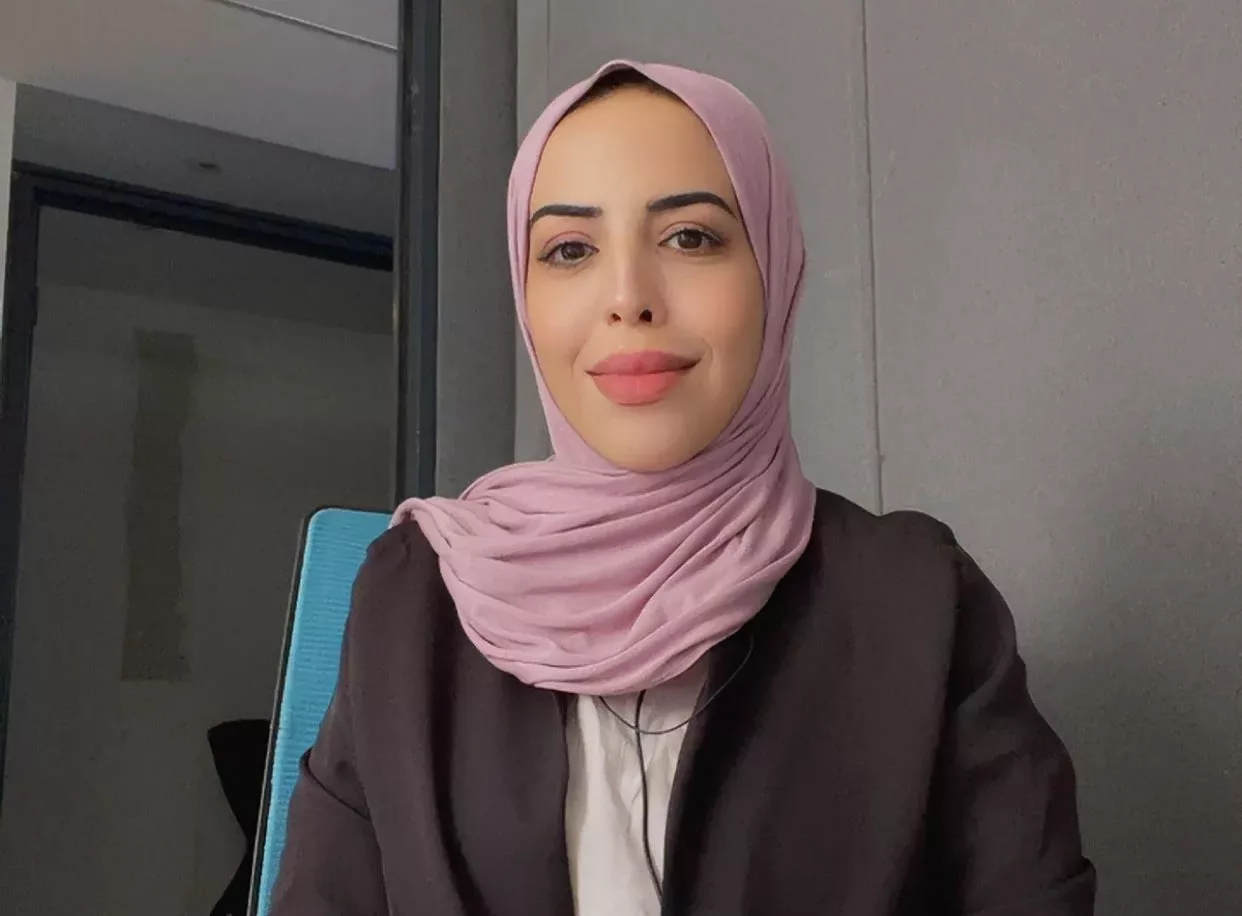
Rowa Omar, a witness to the collapse of the Taj Mall Tower in Gaza’s Yarmouk Camp, says her sister has been trapped under the rubble for two years alongside 12 others, with no serious effort made to retrieve their bodies or determine their fate. In her testimony to Noon Post, she says:
“My sister was martyred on October 16, 2023, inside the Taj Tower. We couldn’t bury her couldn’t even say goodbye. The rubble is still untouched. There are no resources, and no one is moving to save or recover those who remain underneath.”
She describes her deep sorrow and sense of betrayal, highlighting the painful contrast in how the world treats victims.
“The entire world sends equipment and specialized teams to Gaza to recover Israeli bodies as part of exchange deals. Meanwhile, we’ve been calling out for years, and no one listens. It’s as if we’re not human.”
She continues:
“We’re not asking for much just the dignity of a burial. To retrieve our dead and know their fate is the bare minimum of human rights.”
Rowa concludes with a final plea to humanitarian and international organizations:
“Don’t leave us alone. We don’t want the people we love to be swallowed by forgetfulness. The world’s silence is as deadly as the rubble.”
On November 16, 2023 more than a month into the war the al-Zaytoun neighborhood was devastated by a bombing that killed nearly 70 people, including around 40 children, alongside women and men. The area, a refuge for displaced people fleeing other threatened regions, witnessed a spike in casualties.
“For three years, we’ve lived in endless suffering,” says Mahmoud Malaka to Noon Post. “We’ve only been able to bury about 20 martyrs along the outskirts of the neighborhood during a brief truce that temporarily eased the situation. But more than 50 bodies remain beneath the rubble.”
He describes the grim scene:
“These buildings are completely destroyed floors collapsed atop one another. The bodies underneath are in horrific condition. We even know where some of them fell right beside my brother’s home. But the task remains unfulfilled. We’re still waiting to recover the rest of the martyrs children, women, and men.”
He affirms that global efforts have been far from equal:
“While Israel received assistance to recover the remains of its soldiers using modern machinery, Palestinians have been left to suffer alone without real support to extract their own sons and daughters. In my family alone, we have over 50 missing martyrs. There are thousands more across Gaza. We are living under this persistent injustice.”
He ends with a heart-wrenching appeal:
“The world today is unjust. It claims to uphold human rights, democracy, and equality, but what we see is deception and cruelty. We only ask for humanity for justice for our people who lie beneath the rubble. We call on the international community to act immediately to save what can still be saved and alleviate our people’s suffering.”
Awaiting Farewell
In the devastated Shujaiya neighborhood, Aya Jundi bears an unbearable burden. She lost two of her brothers during the latest Israeli assault on Gaza. One was killed inside a residential building; the other’s fate remains unknown. All the family knows is that he was last seen with a group of young men whose whereabouts were lost on March 2, 2025.
“Our pain is immense,” she tells Noon Post. “When countries sent in equipment to retrieve Israeli bodies, no one thought to help pull our sons from the rubble. We just want to bury them and find peace. I want them to have graves my mother can visit—to know they are at peace with their Lord.”
She recalls the moment her mother learned about the death of her first son:
“She went herself to the building, searching through the rubble with her bare hands determined to retrieve him. But she couldn’t. And she’s been waiting for news about the other ever since.”
Since that day, the family has oscillated between hope and despair, clinging to the memory of their sons and praying for a chance to say goodbye.
A Double Standard
Dr. Salah Abdul Ati, head of the International Commission to Support the Palestinian People (ICSPR), confirmed that Gaza has over 10,000 bodies trapped under the rubble. These victims need equipment and civil defense teams to assist in recovery efforts.
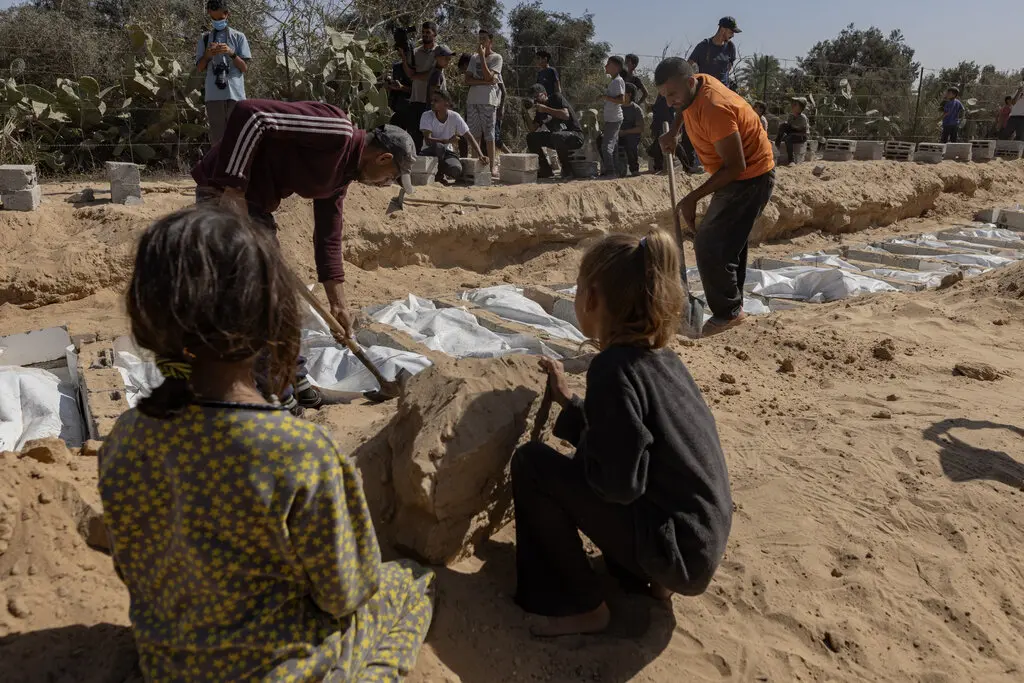
He told Noon Post that due to severe shortages in equipment and Israel’s obstruction of humanitarian aid and heavy machinery, the recovery process faces major hurdles. Civil defense crews have resorted to retrieving bodies using extremely limited, primitive tools.
In contrast, the global community has shown readiness to deliver equipment to recover the remains of Israeli soldiers held by Palestinian resistance forces.
Dr. Abdul Ati emphasized this stark disparity:
“This reveals the extent of double standards and selective application of humanitarian principles. This must end. Border crossings must be opened to allow the entry of heavy machinery, civil defense teams, and humanitarian aid to help recover the bodies of martyrs. Only then can we alleviate this suffering and help Gaza recover from the genocide and its two-year aftermath.”


