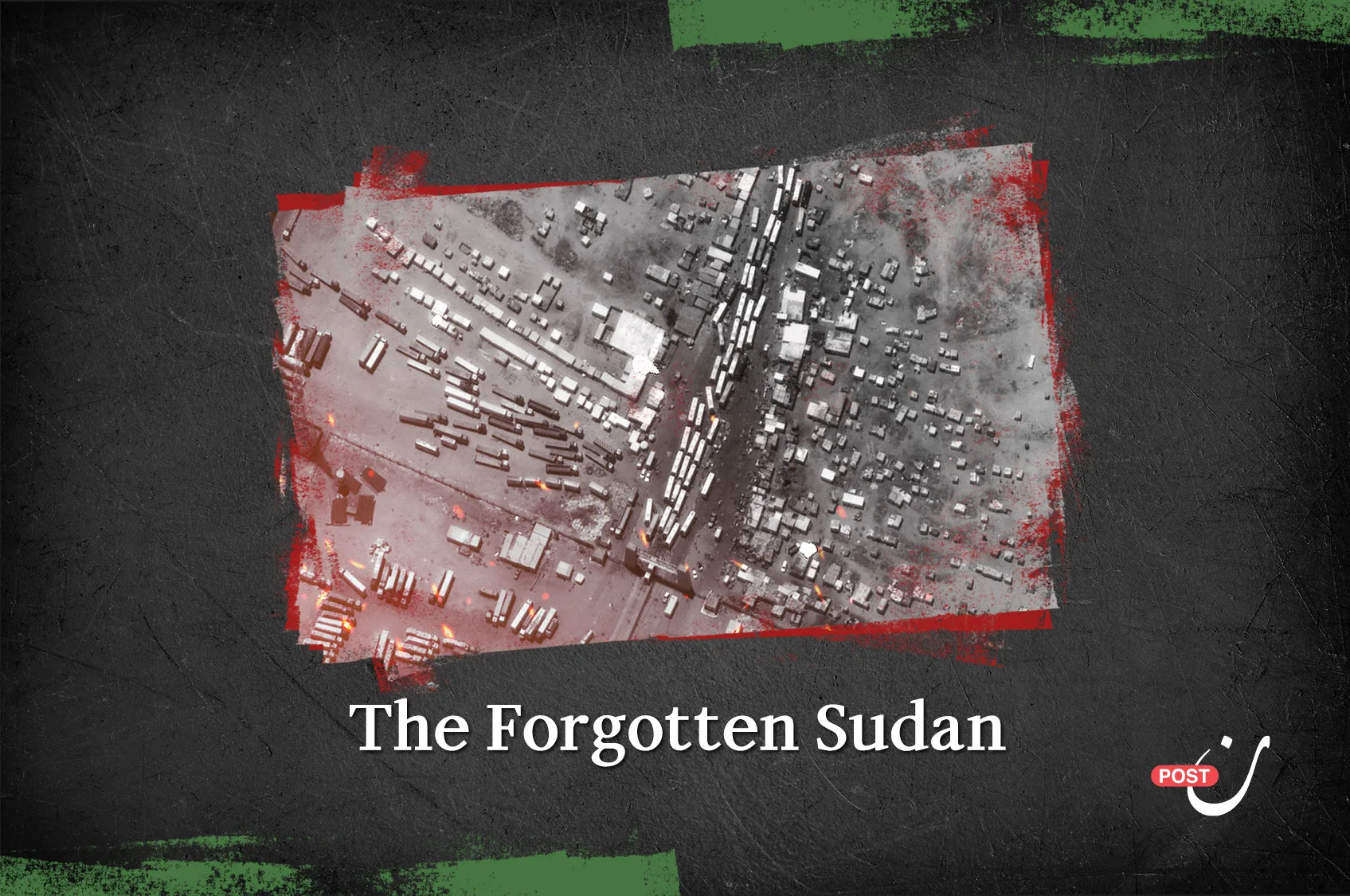






Sudan has been engulfed in a shameful and disgraceful political and media silence Arab, Islamic, and international since the outbreak of the Rapid Support Forces’ (RSF) rebellion over a year ago. This silence is starkly disproportionate to the gravity of the conflict, its implications for the region, and the humanitarian catastrophe it has unleashed.
Such indifference also fails to acknowledge Sudan’s long-standing contributions to Arab and Islamic causes. The country deserves solidarity until its crisis subsides. At the very least, political and media voices should be raised through both traditional and modern channels to draw attention to the horrors of this war.
It must be properly understood, not trivialized, downplayed, or deliberately distorted to justify the international community’s apathy and detachment from the plight of this dear Arab, Islamic, and African nation.
Western and International Silence
On the political and international media front, former US President Barack Obama once said during a 2005 rally condemning the ethnic cleansing in Darfur committed by the Janjaweed militia, now known as the RSF “If we care, the world will care. If we act, the world will follow.”
His words reflected the central global position of the United States, even if that influence has gradually and steadily eroded in recent decades. Still, Washington retains significant sway over the global agenda.
Therefore, the international political and media silence around Sudan can be attributed, in large part, to the United States’ disregard for the crisis. This is due to several factors, including Washington’s strategic pivot toward Asia, having already secured its interests in the region often at the expense of local stability and resources.
This posture also reflects a broader American policy of non-intervention in regional and global conflicts, preferring to manage rather than resolve them, as long as they don’t threaten core US interests or those of its key allies such as Israel, Europe, and Canada.
When it comes to Sudan specifically, the US has long understood the country’s multifaceted strength and its historical role as a force multiplier for the Arab, Islamic, and African worlds. Weakening and draining Sudan therefore serves broader Western interests of domination and exploitation an approach clearly visible in Sudan’s resource-rich context.
In a broader global framework, there is no denying that the dominant international order—politically, economically, and in the media often follows the lead of the United States, just as Obama noted back in 2005.
Many key figures in the current US administration served during his two presidential terms (2008–2016), which helps explain today’s international indifference to Sudan’s war and humanitarian disaster.
At the level of the United Nations, Washington still has the power to dictate the agenda. This explains the paralysis of the UN in taking any meaningful stance on the war, often resorting to vague language about “both sides” rather than clearly identifying aggressors.
This continues despite official UN reports confirming that the RSF rebels are receiving illegal external arms support, worsening the conflict and civilian suffering. Yet the UN Security Council has failed to act, and Britain one of the five permanent members has blocked serious discussions, as have other UN institutions.
As for Russia and China, despite their generally more assertive positions on global issues, they have not seriously pushed the Sudan file onto the international agenda. While Russia has recently taken some positive steps, the scope and direction of these moves remain unclear.
An Arab Coma
While the US-led international apathy is disappointing and expected, the real shock lies in the deafening silence from the Arab and Islamic worlds—both officially and in the media. Despite widespread popular sympathy, this institutional indifference does not befit Sudan’s importance, nor its people’s generosity and support for Arab and Islamic causes.
Sudan has long hosted and aided hundreds of thousands if not millions of refugees over the decades, playing a constructive role in crises across the Arab, Islamic, and African worlds.
The country has historically served as a vital bridge between the Arab and Islamic nations and the African continent, while also acting as a barrier to Israeli penetration into Africa and its associated anti-Sudanese and anti-Arab agendas.
More specifically, the Arab League’s position has been dismal. It has failed to convene a high-level emergency summit on Sudan, or even to form a dedicated committee or appoint a special envoy symbolic steps taken even by the UN. This reflects not only the League’s paralysis but also its structural dysfunction and inability to address core Arab issues effectively.
This failure stems largely from the collapse of traditional Arab power centers following the occupation of historical capitals like Damascus and Baghdad, the destruction of Aleppo and Mosul, and the marginalization of Cairo.
Today, most Arab regimes lack popular legitimacy and seek it externally from Western powers especially the US and Europe who show little interest in positive engagement and may even prefer the Sudanese crisis to fester as long as it remains contained and doesn’t affect their interests.
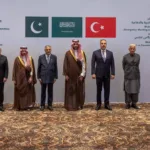
That said, some countries namely Saudi Arabia, Egypt, and Algeria have issued positive statements acknowledging the danger of the Sudanese conflict and its implications for Arab national security. They have expressed support for Sudan’s legitimate leadership, sovereignty, and territorial integrity. However, these positions lack teeth and meaningful action.
There has been no real push to end the war, return to dialogue, or revive Sudan’s political transition a vital objective that cannot be abandoned, especially given that the old regime under Omar al-Bashir is not coming back.
The same critique applies to the Organization of Islamic Cooperation, where Arab nations wield considerable influence and could have easily brought Sudan to the forefront of its agenda.
Given this official inertia, the silence of state-affiliated Arab media outlets on Sudan is a natural reflection of the broader political landscape. However, the passivity of independent and opposition media both traditional and digital is more puzzling and disappointing.
Despite the rebellion in Sudan beginning before the war in Gaza, the Sudanese tragedy has been marginalized in coverage. While the Gaza conflict is undoubtedly central and deeply important, it should not come at the expense of Sudan’s crisis, which continues to devastate millions.