



هذا التقرير متاح أيضًا بـ العربية
Preliminary results have emerged from elections for members of the People’s Assembly (parliament) in Hasakah province and the Kobani area, pending confirmation after the appeals phase ends, pushing the process of forming Syria’s new parliament into an advanced stage after most of its seats were decided through indirect elections, while the seats allocated to Sweida province and the one-third to be appointed by President Ahmed al-Sharaa remain outstanding.
Hasakah’s share in the People’s Assembly is 10 seats, one of which had previously been decided for the Ras al-Ain area, along with two seats won uncontested in al-Malikiyah after only two names registered days ago, while the results preliminary results announced today, Sunday, May 24, showed three candidates winning in Hasakah and four in Qamishli, alongside elections held in Kobani, east of Aleppo, to choose two members.
Today’s vote is an extension of a process that began on Oct. 5, 2025, bringing the number of decided seats to 137 across Syria’s provinces, with the exception of Sweida, where elections were not held to decide three seats because of security and political conditions, while the appointment of 70 members by the president remains to complete the 210-seat chamber.
The elections were held in successive stages imposed by security and military conditions, and were delayed in Syria’s Jazira region and Kobani because of the presence of the Syrian Democratic Forces (SDF) before the start of their military and administrative integration into state institutions. Parliament is now nearing its final form, amid anticipation over when its formation will be completed and its work will begin.
The new Syrian administration acknowledges that the process of electing the People’s Assembly is not entirely complete, and views it as a middling experiment suited to Syria’s circumstances and the transitional phase. The Higher Elections Committee adopted an indirect electoral system based on a reality whose security and administrative complexities still prevent conventional direct elections, amid the presence of millions of displaced Syrians inside and outside the country, the lack of official documents among broad segments of the population, as well as legal loopholes and fears of reproducing the former regime’s networks through new tools.
The Higher Elections Committee confirmed that the composition of the People’s Assembly is free of figures linked to the former regime, while Syrian President Ahmed al-Sharaa attributed the delay in announcing his list of 70 members to complexities related to the selection mechanism and the social makeup, noting that polarization within society required leaving room for appointments to address certain balances, including weak female representation, and to ensure the formation of a council capable of legislating and contributing to rebuilding state institutions at the current stage.
The People’s Assembly is responsible for legislation and for proposing, approving, amending or repealing laws, ratifying international treaties, approving the state’s general budget and issuing general amnesty decisions. It also has powers related to its members’ affairs, including accepting resignations and lifting immunity in accordance with its internal bylaws, in addition to holding hearings with ministers.
The spokesperson for the Higher Elections Committee, Nawar Najmeh, announced that the number of participants from the electoral body reached 138 members out of 150 at the Hasakah center, and 168 members out of 198 at the Qamishli center, announcing the victory of Ibrahim Mustafa al-Ali, Omar Issa Hais and Fasla Youssef for the Hasakah district, and Kim Hussein Ibrahim and Radwan Othman… pic.twitter.com/jfOYUdyKQ0
— Noon Syria (@NoonPostSY) May 24, 2026
Countdown to the first session
Despite criticism related to the election mechanism, shortcomings or weakness in representation, and the considerations of Syria’s transitional phase, the process of forming parliament appears to be nearing its final stages. Yet the path that is supposed to produce a council has unfolded through successive, non-simultaneous stages, stretching from Damascus to east of the Euphrates, while Sweida remains outside the electoral process because of security reasons and the presence of the National Guard affiliated with Sheikh Hikmat al-Hijri, who opposes Syria’s new rule.
Last April, Syrian President Ahmed al-Sharaa said the first sessions of the elected parliament would be held by the end of that month, and discussed its agenda, which includes drafting the constitution and approving a number of laws, including the details and shape of the post-transitional five-year phase, but the session was not held.
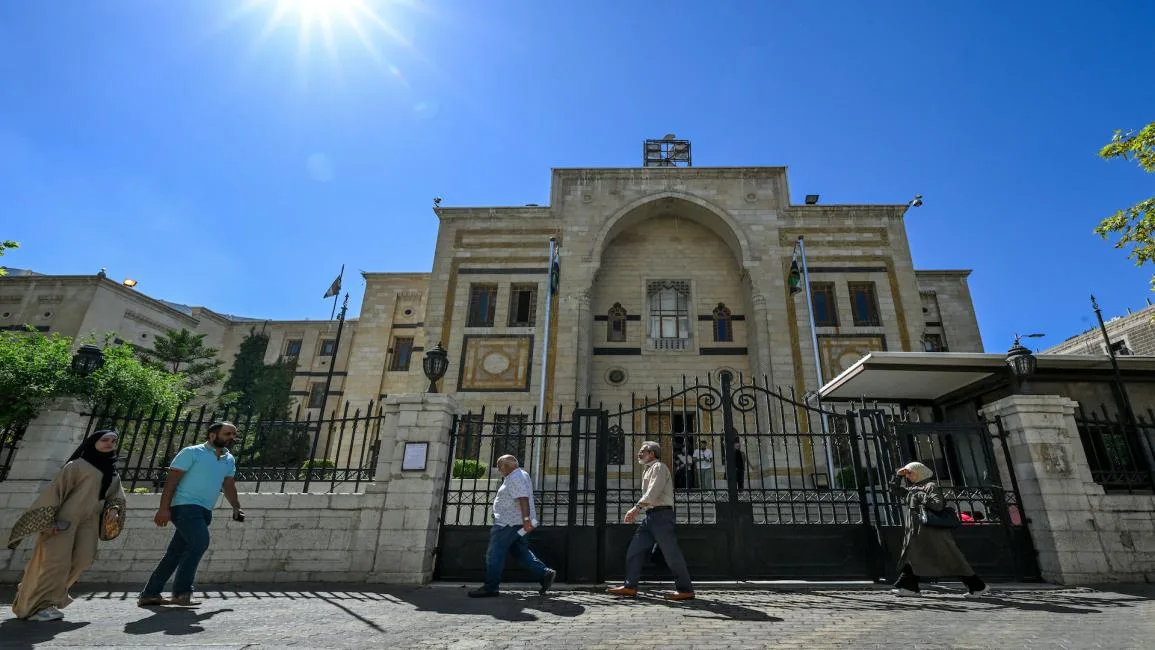
Nawar Najmeh, spokesperson for the Higher Committee for People’s Assembly Elections, says the Hasakah and Kobani elections represent the final step before parliament convenes, noting that the appeals window opens for 24 to 48 hours after the preliminary results are issued, after which the final names of the winners are announced.
Najmeh adds in comments to Noon Post that Sweida’s seats are likely to remain vacant at the current stage, with the council convening without them. He explained that the delay in holding elections there will not affect the date parliament begins its work, and that they will be completed later when suitable security and political conditions are available.
He says the forces controlling Sweida bear responsibility for the failure to hold elections there, as they are depriving residents of participation in the legislative and electoral process. He expressed hope for positive developments in the coming days, given the need for the province’s residents to take part in Syria’s political and legislative life.
He believes the delay in forming the People’s Assembly has had both positives and negatives, explaining that one of its main drawbacks is the transitional phase’s need to speed up the issuance of legislation and laws required to support the work of the executive authority. Its positive side, he said, lies in broadening representation to include residents of Raqqa and Hasakah provinces through their participation in the electoral process, thereby strengthening the representative character of the council and the credibility of the legislation and laws it issues.
Najmeh expects parliament to convene in the days following the announcement of the names of the final third appointed by the president and the setting of a date for the first session, noting that if the elections are completed and the final third is appointed, the council will consist of 207 seats, representing more than 98 percent of its members.
For his part, Moayad Habib, a People’s Assembly member for the Darayya area in the Damascus countryside, expects the council to convene in early June, noting that maintenance and restoration work on the People’s Assembly building has been fully completed. He said the failure to hold elections in Sweida so far will not prevent the council from convening, whether by leaving the seats vacant or through arrangements and remedies decided by the Higher Elections Committee.
In comments to Noon Post, Habib said the lengthy process of forming the council has had negative effects linked to delays in the laws and legislation needed for the functioning of the state and the executive authority, which has affected citizens and public-sector employees. At the same time, however, it allowed elected members to take part in meetings, training workshops and field tours that enhanced cohesion and understanding of the nature of parliamentary work and the scale of the responsibility placed on them, including training related to legislative work. He said this period gave members greater experience and preparedness before the council begins.
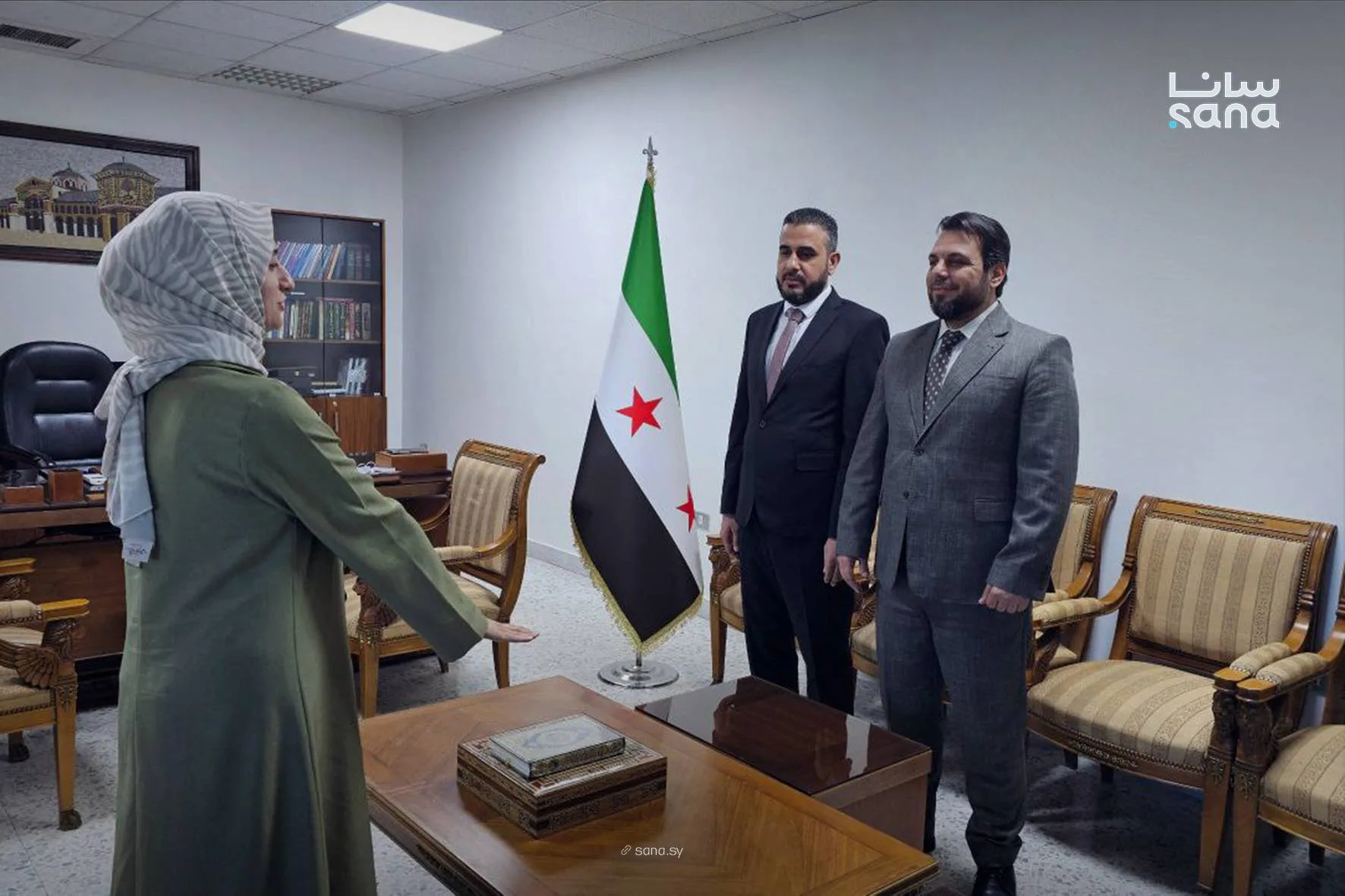
As for Syrian researcher Abdul Rahman al-Haj, he believes the delay in elections in Sweida will not strongly affect parliament’s representation of all Syrian regions, but it will leave the province weakly represented rather than entirely unrepresented. The president’s appointed third is likely to include at least one member from Sweida, most likely from the Druze community, while one of the three remaining seats will go to the tribes, meaning the province will have weak, not nonexistent, representation.
After elections were completed in areas of northern and eastern Syria, the researcher told Noon Post he does not expect any obstacles to the convening of the People’s Assembly other than the president’s announcement of the names of the members of the third he appoints.
Given that the council is not fully elected and does not fully represent Sweida, the possibility that it will address foundational issues for the permanent phase appears postponed, so that its role will be limited to enacting a set of laws that meet the needs of the transitional phase. He noted that security conditions are steadily improving, which helps the People’s Assembly perform its role more effectively, according to the researcher.
Through these steps, the country is moving toward completing its first parliament after the overthrow of Bashar Assad’s rule, at a moment in which Syria is testing the consolidation of formal institutions and the formation of a legislative authority, turning the page on decades in which the People’s Assembly was largely symbolic and devoid of legislative and oversight effectiveness, and opening the way for constitutional and political tracks in the phase of building the new Syria.