











The growing Emirati expansion in acquiring agricultural land in Egypt particularly in strategic desert reclamation zones such as Toshka and East Oweinat represents a critical intersection between Egypt’s urgent need for foreign direct investment and rising geopolitical concerns over national sovereignty and control of vital resources.
This expansion, spearheaded by major corporations such as Al Dahra and sovereign-linked entities like ADQ, is viewed through two contrasting lenses: on one hand, it appears to drive economic development by injecting capital and creating jobs; on the other, it poses a serious risk in terms of relinquishing control over water resources and food security, potentially reinforcing a new form of economic dependency.
This article explores the nature of this expansion across three key dimensions: the developmental impact of such projects, the risks of dependency and loss of sovereignty, and the sustainability and governance of the investments.
Gulf Agricultural Investment in Egypt
The primary motive behind the UAE’s agricultural investments abroad including in Egypt is rooted in strategic food security. The Emirates relies on imports for 85% of its food needs, making it one of the world’s top buyers and leasers of agricultural land, especially in Africa.
This strategy accelerated following the global food crisis between 2008 and 2010, which saw prices for wheat and rice skyrocket and underscored the importance of securing reliable and sustainable supply chains, away from volatile global markets. Egypt’s agricultural lands particularly in newly reclaimed zones are thus seen as key nodes in the UAE’s global supply chain.
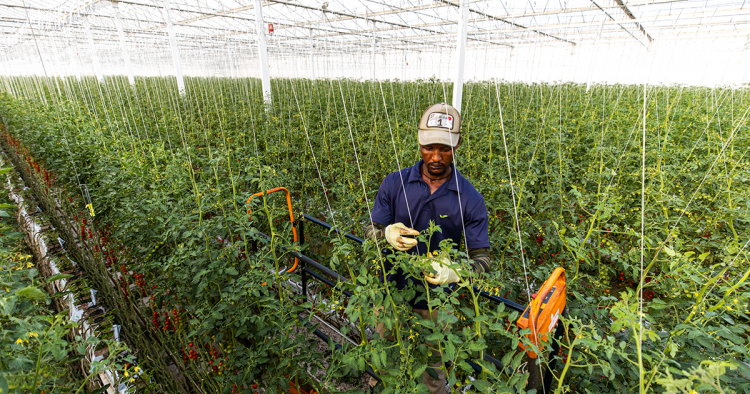
Abroad, Emirati investments typically focus on acquiring or leasing large tracts of land, with an emphasis on cultivating grains and fodder. Alfalfa (alfasfa), for instance a strategic crop for the UAE’s livestock sector reflects the primarily import-driven rationale behind these ventures. This model serves the investor country’s food security strategy rather than the sustainable development of the host nation.
Egypt’s mega agricultural reclamation projects in the Western Desert such as Toshka (spanning roughly 540,000 feddans) and East Oweinat are central to the country’s strategy to expand its limited arable land and move toward self-sufficiency in staple crops like wheat. These projects rely heavily on Nile-transferred water and groundwater, rendering them highly sensitive national assets.
Al Dahra, an Emirati firm linked to Sheikh Hamdan bin Zayed Al Nahyan, stands out as a dominant player in this vital sector. While Emirati investments have contributed to infrastructure such as the Abu Dhabi Fund for Development’s (ADFD) support for cultivating an additional 100,000 feddans in Toshka in 2014 the sovereign nature of these investors (including ADQ and entities linked to the ruling family) gives the transactions a strategic and political weight that far exceeds that of ordinary commercial investments.
Al Dahra is also reportedly negotiating to acquire an additional 500,000 feddans of agricultural land in Egypt as part of its expansion.
Legal and Historical Controversy Over Land Deals
Foreign ownership of agricultural land in Egypt is governed by strict legal restrictions intended to safeguard national sovereignty. However, amendments to the Investment Law (Law 72 of 2017) lifted the ban on foreign ownership of desert land when acquired for business or expansion purposes.
While the law theoretically requires that Egyptians own 51% of any foreign company holding desert land, this rule can be bypassed via presidential exemptions a critical legal loophole.
This heavy reliance on executive discretion undermines national safeguards and facilitates potential breaches of economic sovereignty under the banner of attracting foreign investment.
The historical controversy over land deals in Toshka is emblematic of the governance challenges surrounding this issue. Under President Hosni Mubarak, Al Dahra acquired 100,000 feddans in Toshka at a nominal price of just 50 Egyptian pounds per feddan when the market rate was approximately 11,000 pounds. This undervaluation resulted in significant financial loss for the Egyptian state.
Moreover, the government covered the costs of key infrastructure (such as canals and related works), while the investor bore only the internal land reclamation expenses amounting to a massive state subsidy for foreign capital, with minimal net return to the national treasury.
Following the 2011 revolution, a judicial ruling invalidated the contract. Although the government eventually reclaimed 62,600 feddans due to Al Dahra’s failure to cultivate more than 25,000 of them leaving the company with just 37,400 feddans the episode underscores how weak governance enabled the acquisition of strategic assets at unfair prices. This amounts to a de facto transfer of national wealth at minimal cost.
Foreign capital has undeniably played a role in developing Egypt’s agricultural infrastructure. The Abu Dhabi Fund for Development financed a project to cultivate 100,000 feddans in Toshka using advanced pivot irrigation systems. Al Dahra announced plans to invest around $230 million and acquire another 90,000 feddans, bringing its total investments in Egypt to roughly $250 million.
These large-scale investments are critical for Egypt, where the national prioritization of agriculture has lagged behind other sectors. Foreign capital provides essential funding for capital formation that local resources cannot cover. These projects also create jobs Toshka, for example, was projected to generate 25,000 jobs and introduce advanced agricultural technologies, theoretically boosting efficiency.
Egypt’s investment laws offer generous incentives, including a 30% deduction on capital costs, equal treatment with domestic investors, and residency permits. These benefits coupled with job creation are used by the state to frame such investments as drivers of national economic development.
However, the net effect on Egypt’s balance of payments remains limited and complicated. While exports (such as citrus) generate hard currency, the post-investment phase introduces negative impacts: profit repatriation, capital outflows, and expatriate wage transfers. These burdens can erode initial gains and transform foreign inflows into net foreign currency outflows signaling financial dependency.
Erosion of Resource Sovereignty
The increasing dominance of Emirati companies over vast tracts of wheat-producing and other strategic lands raises serious concerns about the “capture of food security” in Egypt. While some of the harvest is supplied domestically, foreign control over this critical supply chain grants investors significant leverage in pricing and distribution decisions vis-à-vis the Egyptian government deepening Egypt’s dependence on external actors.
Should geopolitical tensions escalate or the UAE choose to prioritize its own food security, Egypt’s reliance could become a sovereign threat. Al Dahra has openly stated its intention to secure strategic commodity reserves for the UAE.
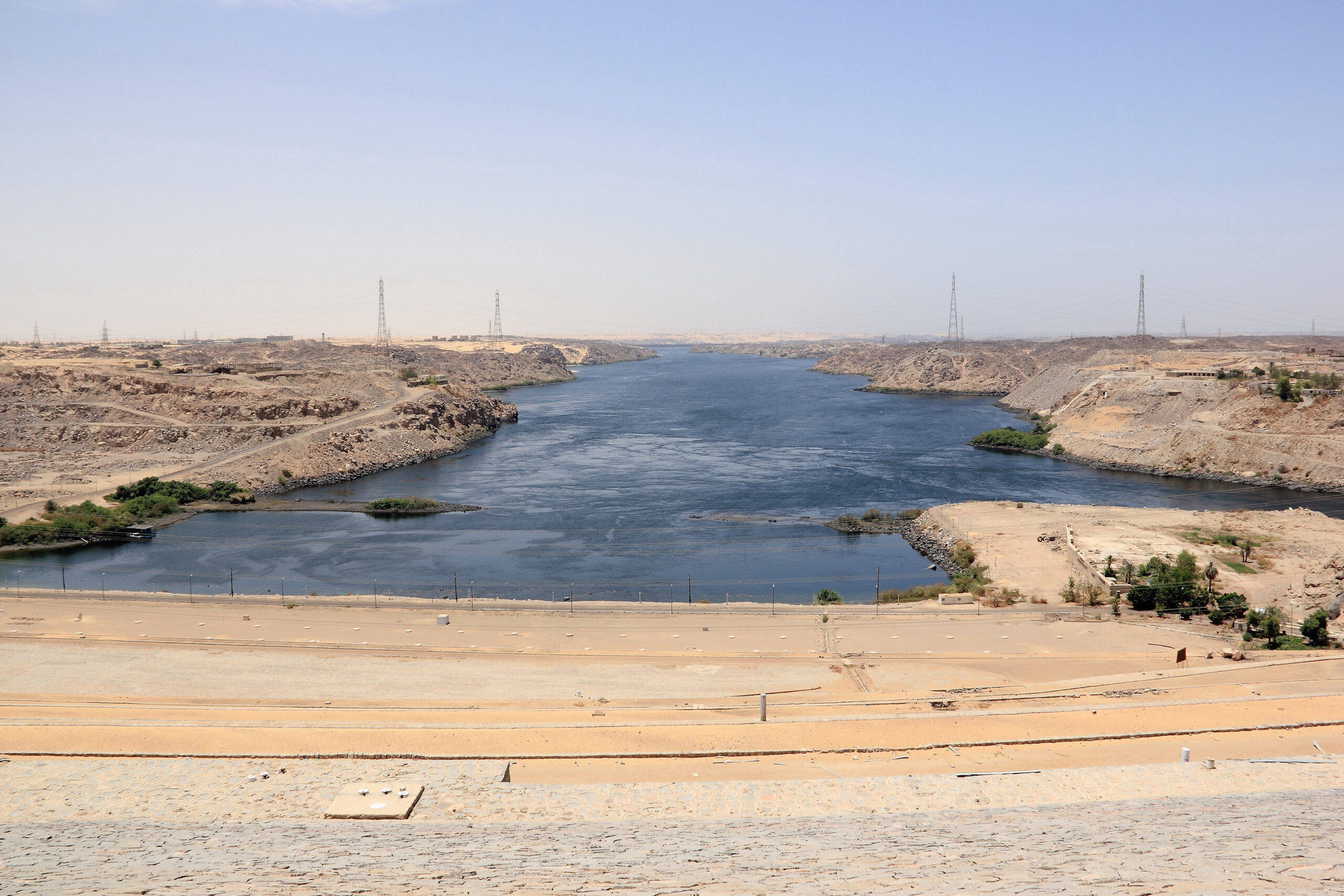
Moreover, the potential depletion of non-renewable groundwater in desert reclamation areas (like Toshka and East Oweinat) poses perhaps the gravest threat to national sovereignty. In a country plagued by water scarcity, the value of water far exceeds that of land. Agriculture in these zones is a matter of national water security.
Although Egypt’s Ministry of Agriculture mandates that only 5% of land may be used for cultivating water-intensive alfalfa, parliamentary reports suggest that up to 25% of the land in New Valley and Toshka may be used for this crop. This stark discrepancy between legal restrictions and on-the-ground practices represents a direct exploitation of one of Egypt’s most critical and finite resources.
Exporting alfalfa essentially exporting Egypt’s groundwater transforms these ventures from developmental to extractive and unsustainable, reflecting a profound loss of control over vital natural assets.
The UAE’s agricultural expansion is not an isolated phenomenon. It is part of a broader, multi-sector economic dominance in Egypt. Following the Ras El Hekma deal, the UAE became Egypt’s largest trading and investment partner, with total investments of approximately $65 billion in critical sectors such as real estate, telecommunications, ports, and energy.
This sweeping dominance translates into substantial political and economic leverage, limiting the Egyptian government’s ability to enforce regulatory oversight or penalize contractual violations related to land or water use out of fear of triggering instability in other strategically important sectors dominated by Emirati entities.
This integrated control strengthens Egypt’s position as an economically subordinate state within the regional order, where the UAE ranks among the top ten land acquirers across the African continent.
The Emirati expansion into Egypt’s agricultural lands presents a complex and contradictory reality. On one hand, it brings in essential foreign capital, infrastructure development, job creation, and some local production of strategic crops. On the other, deeper analysis reveals it is not a fully sustainable development model.
Instead, it involves high risks of dependency and sovereignty loss manifested in the unsustainable exploitation of groundwater through the cultivation and export of water-intensive crops like alfalfa, and in historical governance failures that enabled land to be sold at bargain prices with limited oversight.
Amid the UAE’s sweeping economic dominance across Egypt’s key sectors, the future of agricultural investment hinges on whether Egyptian policymakers can reinforce their sovereignty by enforcing fair resource pricing and implementing robust regulatory mechanisms that ensure foreign investments serve the national interest and protect Egypt’s water security in the long term, rather than merely advancing the investor country’s food security strategy.