











Three decades ago, Europe witnessed its worst massacre since World War II when Bosnian Serbs, led by Radovan Karadžić and Ratko Mladić, carried out a campaign of ethnic cleansing against the Muslim population of the Bosnian town of Srebrenica. In July 1995, approximately 8,372 people—mostly elderly men, children, and women—were slaughtered.
As the world marks the 30th anniversary of this atrocity, the massacre remains a stark symbol of systematic ethnic cleansing. It exposed Europe’s darker face, stripped away the veneer of Western “humanitarianism,” and became an indelible stain on humanity’s conscience and a permanent scar on international morality.
In just 12 days, the Srebrenica massacre shook the foundations of global justice and ripped deep fissures through the edifice of so-called civilization. Eyewitness accounts laid bare the scale of the atrocities, making it a historical benchmark for criminality, racism, and betrayal.
For years, Srebrenica stood as the most grotesque example of ethnic cleansing—until the war on Gaza arguably eclipsed it. Gaza has emerged as a horrifying chapter in the annals of human cruelty, a stark rupture in the narrative of supposed global morality, and a stain that continues to darken the face of an already compromised international order.
Srebrenica and Gaza—two Muslim towns separated by three decades—mirror each other in tragedy. Both dreamed of sovereignty and self-determination, resisted brutal oppressors, and were ultimately betrayed. Both were left with mass graves, collective trauma, and a lasting mark of shame on the forehead of humanity.
The Cost of Resistance
Following Bosnia and Herzegovina’s declaration of independence from the Socialist Federal Republic of Yugoslavia on March 1, 1992—and recognition by the US and EU soon thereafter—a fierce struggle broke out among Bosniaks, Croats, and Serbs.
The Muslim-majority Bosnian government sought to defend its sovereignty, but Bosnian Serbs, supported by neighboring Serbia, launched a campaign of harassment under the guise of protecting Serbian minorities.
In response, the UN Security Council passed Resolution 819 in 1993, declaring Srebrenica a “safe area” free from armed conflict. However, Bosnian Serb forces ignored the mandate and launched a ruthless assault on the town. Despite a desperate defense, the Bosniaks were overwhelmed by superior firepower and regional backing.
The echoes of this betrayal resonate in Gaza. When Palestinians launched Operation Al-Aqsa Flood in defiance of decades of occupation and deterrence, Israel responded with unrestrained violence. Over 200,000 Palestinians have been killed or injured, and nearly 2 million displaced—20 times the displacement seen during the Bosnian war, according to UN estimates.
Siege as Strategy
Atrocities follow a familiar script. The sieges of both Srebrenica and Gaza demonstrate how despots deploy collective punishment. In April 1992, Serbian militias laid siege to Bosnian towns, encircling Srebrenica and bombarding it mercilessly. They withdrew troops from Croatia to reinforce the assault.
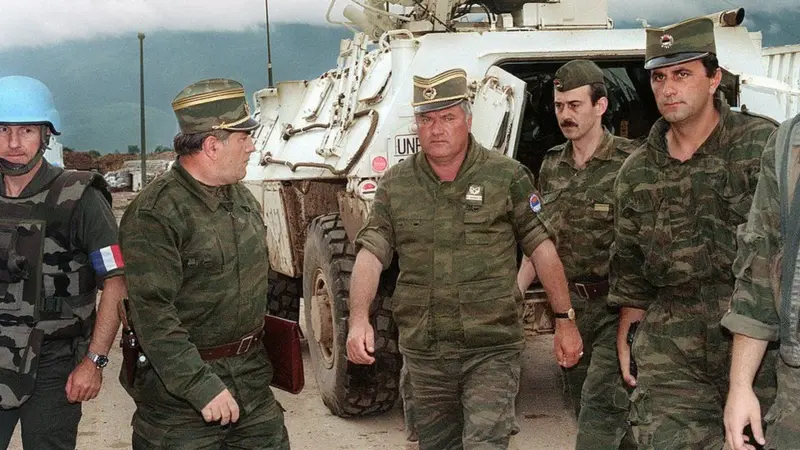
The 12-day siege isolated the town completely. Resistance fighters, armed only with hunting rifles, were soon overwhelmed. The fall of nearby Zvornik marked the beginning of the end.
In Gaza, the siege has lasted over 640 days—perhaps the longest in modern history. Land, sea, and air blockades have turned a 365 km² strip into a prison for over two million residents, condemned to slow death by starvation, thirst, and bombardment.
Pillaging as Doctrine
During the Bosnian genocide, Serbian authorities encouraged civilians and gangs to loot Muslim homes—stealing valuables, torching what they couldn’t carry. In just under two weeks, 300 Muslim villages were razed, over 3,000 people killed, and hundreds of women raped. Children were beheaded in front of their parents as acts of terror.
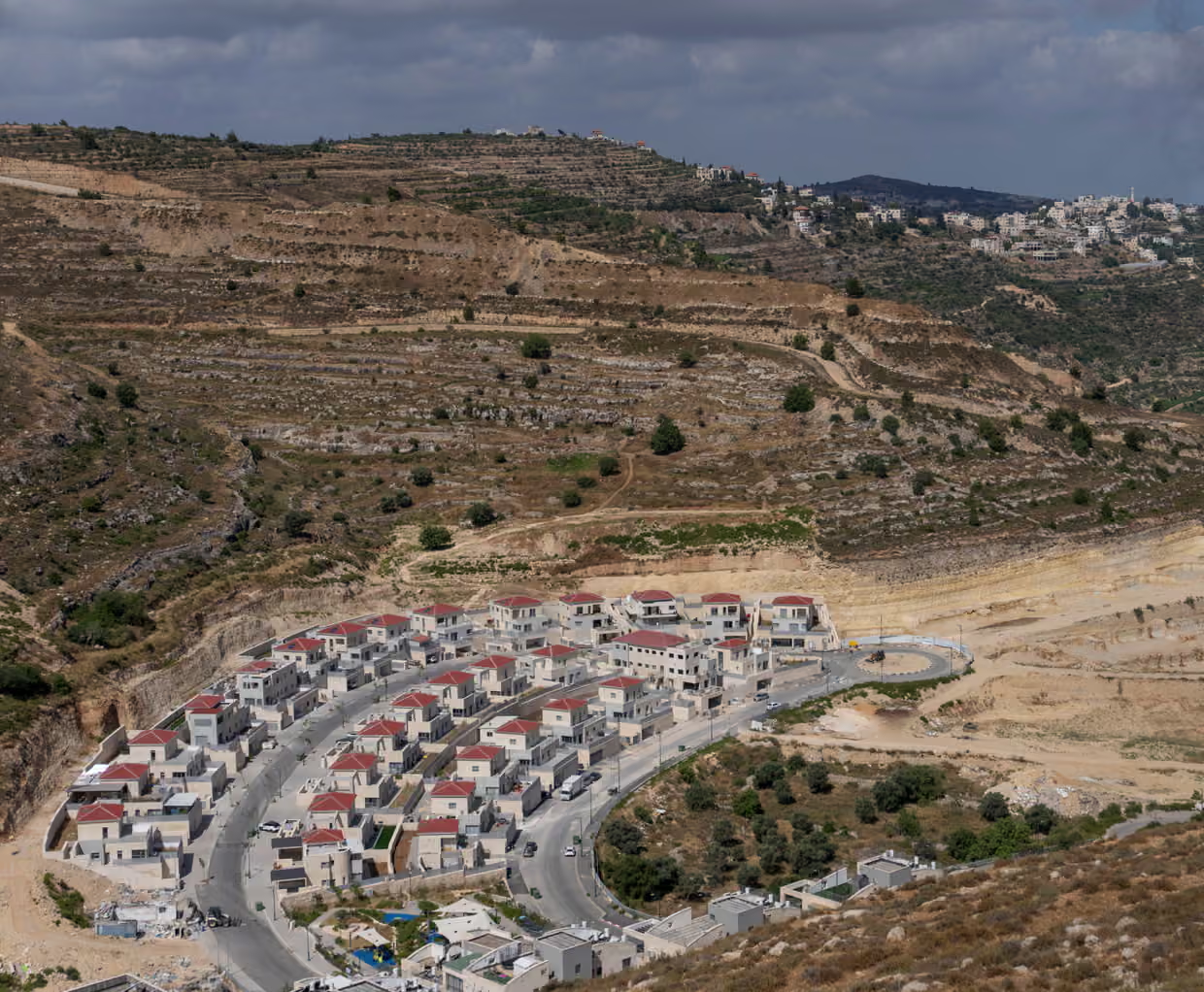
In Palestine, settlers enjoy similar impunity, greenlit by far-right Israeli leaders. They’ve seized Palestinian lands, torched homes and farms, and looted property—often under the protection of Israeli forces. Extremist ministers have armed settlers, enabling further crimes against civilians.
Mass Executions
On July 11–12, 1995, Bosnian Serb forces captured hundreds of civilians—women, children, and the elderly—and held them in the Ratonač detention center. There, Ratko Mladić personally assured them they would be freed in prisoner exchanges.
Days later, they were transported to killing fields and executed. The International Court estimates 4,000–5,000 were killed; many bodies were buried in mass graves, others left to rot.
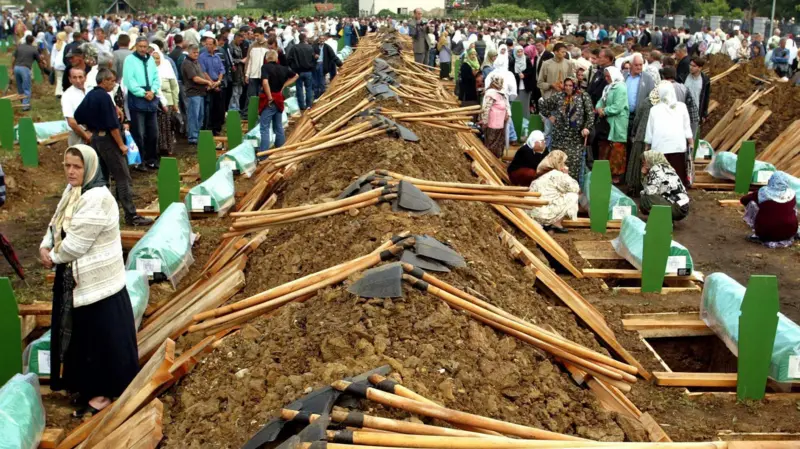
By 2006, 42 mass graves had been uncovered around Srebrenica, with an additional 22 suspected sites. Over 7,000 remains remain unidentified.
Similar horrors have unfolded in Gaza. Thousands—including civilians, medics, and rescue workers—have been detained. Testimonies point to mass killings, systematic torture, and group burials. Survivors recount horrific abuse while imprisoned.
Scorched Earth
Serb forces destroyed everything—hospitals, public infrastructure, and food supplies—to starve the resistance into submission. The strategy worked; the town collapsed swiftly.
Dr. Ilijaz Pilav, a Bosnian survivor and field doctor during the genocide, likened the suffering in Gaza to that of Srebrenica. “My soul and mind still bear the scars,” he said. Lacking medicine or experience, he conducted operations with bare essentials, often saving lives through sheer will.
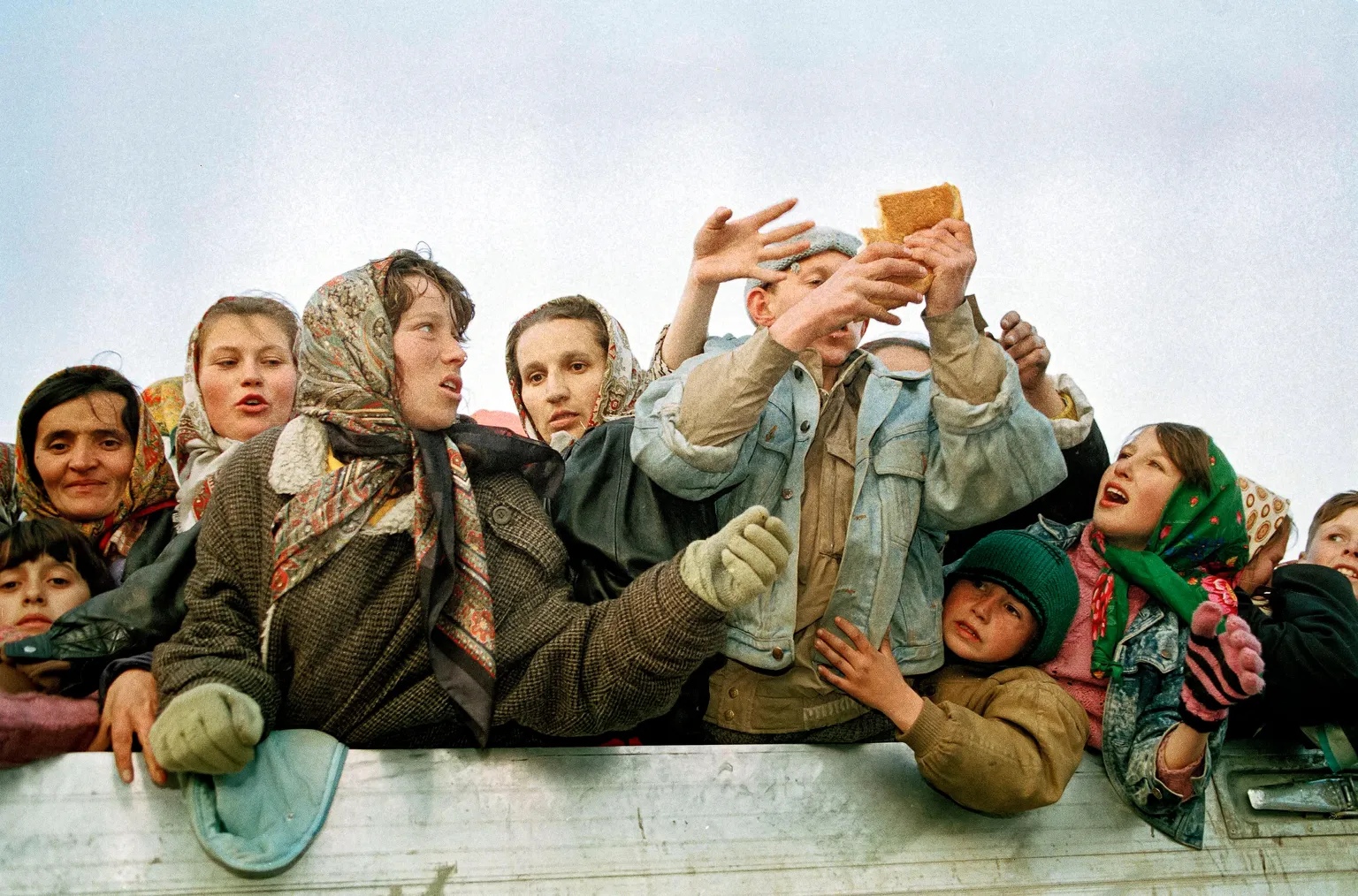
Gaza’s suffering is more extreme. Israel has bombed hospitals, arrested doctors, blocked aid, and torched refugee camps and UN shelters—turning Gaza into a graveyard of life. Yet, unlike Srebrenica’s swift collapse, Gazans have endured for over 640 days.
The “Safe Zones” Trap
Pilav also recounted the so-called “safe route” after Srebrenica’s fall. Fifteen thousand people fled on what was dubbed the “Trail of Death.” Over six days and nights, they endured landmines, gas attacks, and ambushes. Few survived.
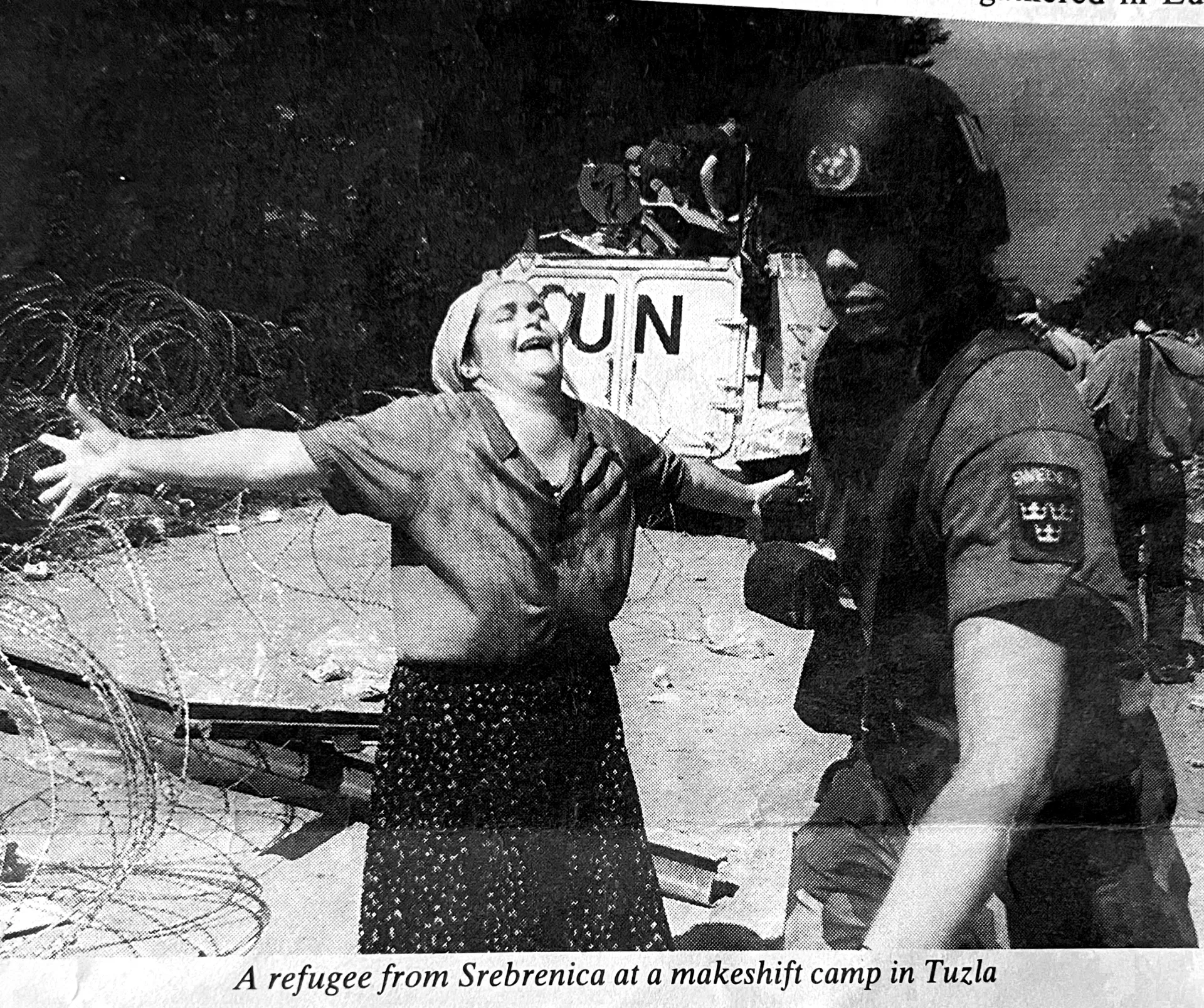
Gaza’s “safe corridors” have proven just as deadly. Civilians were lured with promises of aid or evacuation, only to be bombed en route or at distribution points.
International Betrayal
The international community failed Srebrenica. UN Resolution 819 was ignored. Dutch UN troops stationed in the area—tasked with protecting civilians—surrendered Muslims to Mladić’s forces. Over 8,000 men and boys were executed. The Mothers of Srebrenica sued the Dutch government for its complicity.
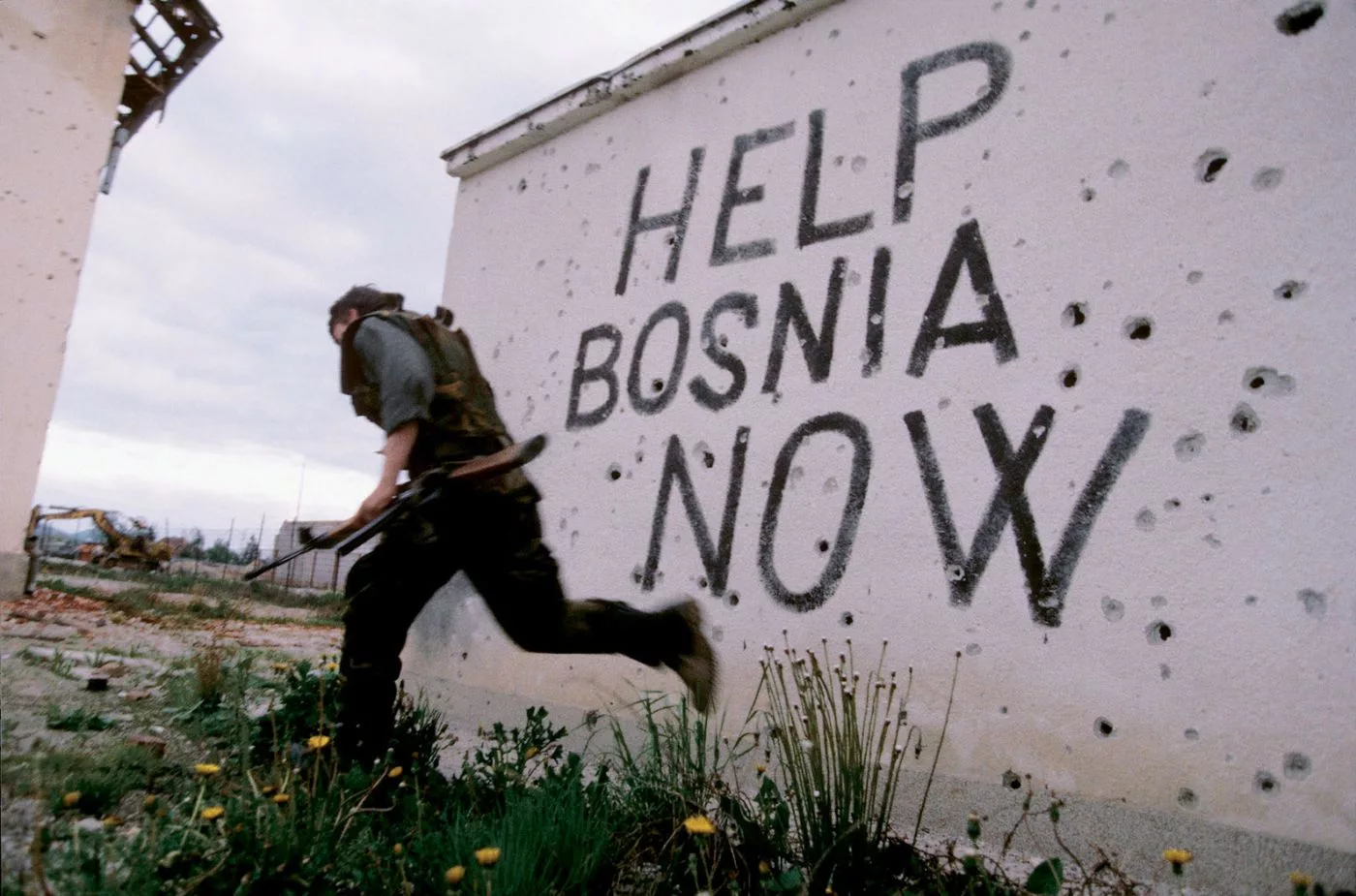
Today, the world’s silence on Gaza is arguably more appalling. The UN and Security Council offer only hollow statements. With unflinching US support, Israel enjoys diplomatic impunity. If justice had been served after Srebrenica, perhaps today’s crimes would never have occurred.
Despite the time gap, Srebrenica and Gaza are twin tragedies. They remain enduring symbols of humanity’s failure, international hypocrisy, and the moral collapse of global governance. Both towns stand as open wounds in the body of justice, testifying to a world that allows genocide—again and again.


