





هذا التقرير متاح أيضًا بـ العربية
The Israeli occupation has used all the tools and influence at its disposal to promote itself as the “army that cannot be defeated,” not only in confronting the Palestinians, but also against those it considers enemies on its northern and southern borders, such as the Lebanese, Syrian and Egyptian frontiers, among others. Since the establishment of its state, it has sought to select special units from the “elite of the army” to protect its borders.
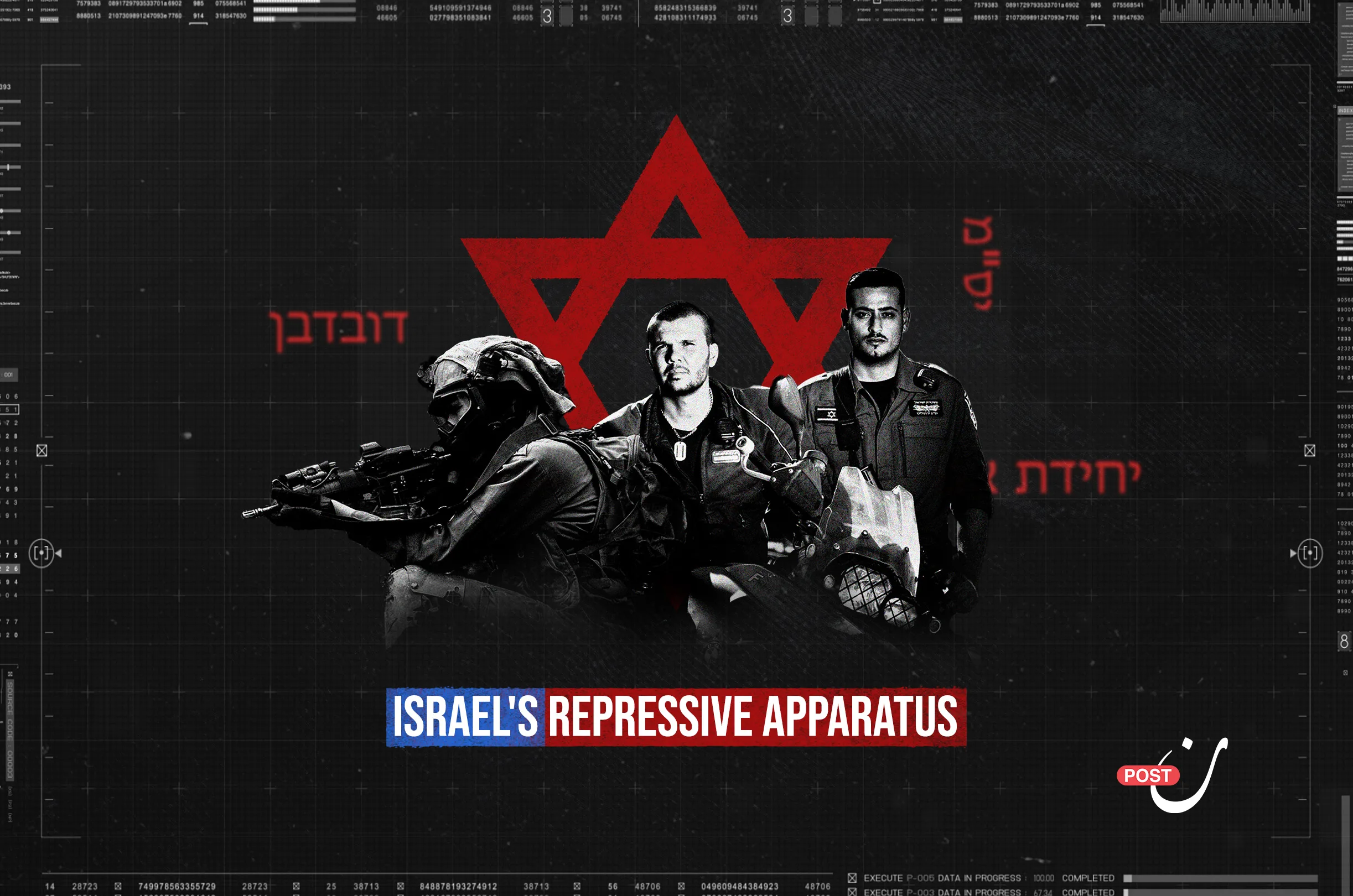
In this installment of Noon Post’s series, “Israeli instruments of repression,” we take a look at the Egoz unit, or “the nucleus,” one of the special intelligence units attached to the Golani Brigade and specializing in guerrilla warfare alongside the occupation army. The unit is notorious for its bad reputation; its battalion members are regarded as elite soldiers and military personnel, and it is responsible for many war crimes against humanity.
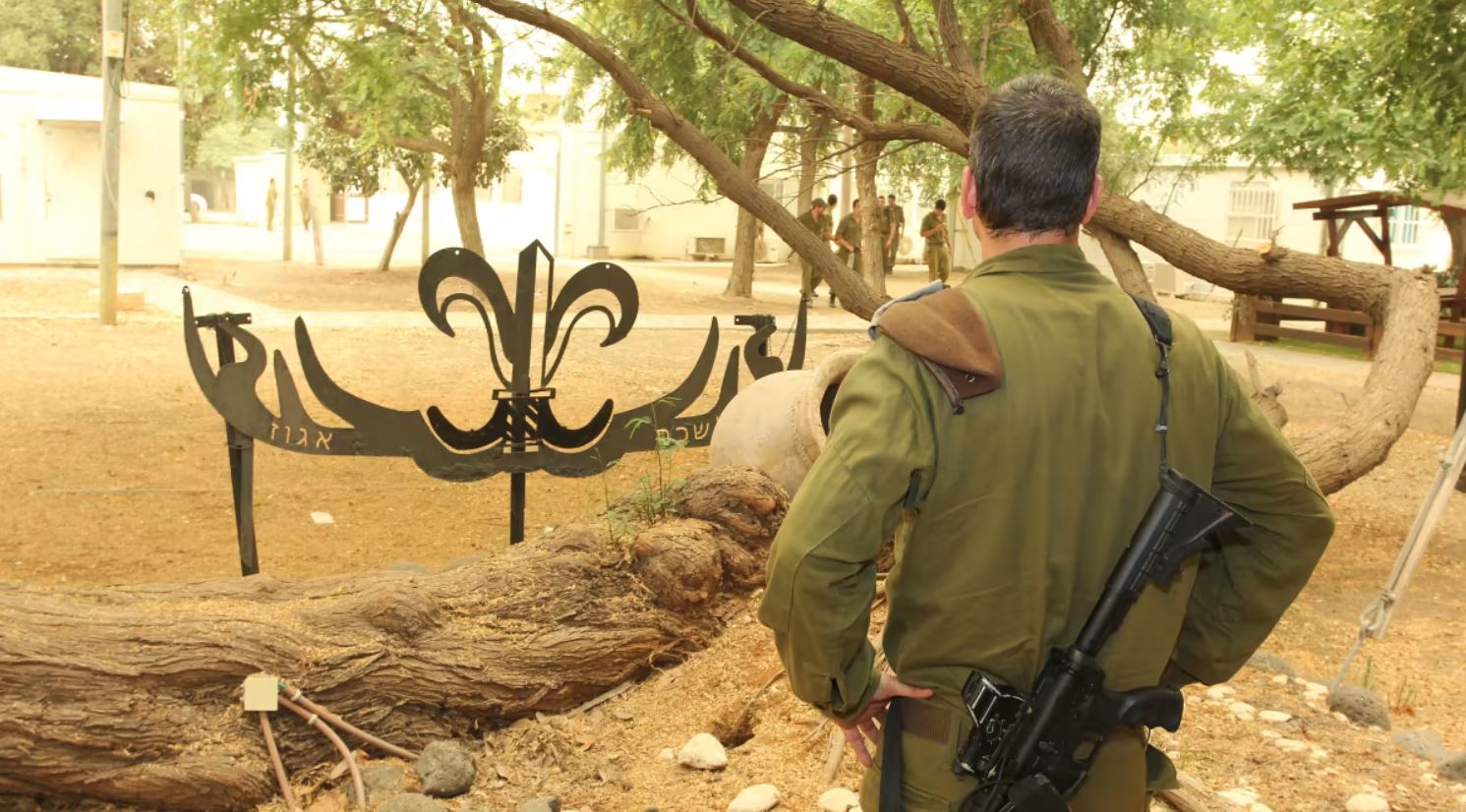
What is the Egoz unit?
The unit’s name is an abbreviation for “counter-guerrilla warfare and small war.” Its first cell was established in 1956, eight years after the founding of “Israel,” on the orders of then-Northern Command chief Yitzhak Rabin. The unit was deployed in the north of the state, specifically east of Quneitra and west of the Golan Heights, and its main role was to set ambushes targeting infiltration operations by Palestinian and Arab fedayeen.
The unit was intended to operate along the borders with both Syria and Egypt in anticipation of any surprise attack on the borders of the occupying state. Its soldiers were stationed behind Syrian army lines in the north, cutting off support and reinforcement operations, and did the same with the Egyptian army after the occupation of Sinai in 1956.
The unit was reestablished in 1964, and its main function was to secure national transportation companies. After the 1967 defeat, the battalion came under the Northern Command of the Israeli occupation army.
The unit’s soldiers undergo training for one year and four months under a commando-unit system. Soldiers are subjected to various forms of training, including anti-abduction operations, parachuting, ambushes, camouflage and concealment, in addition to a counterterrorism course and special combat in civilian urban areas and population centers.
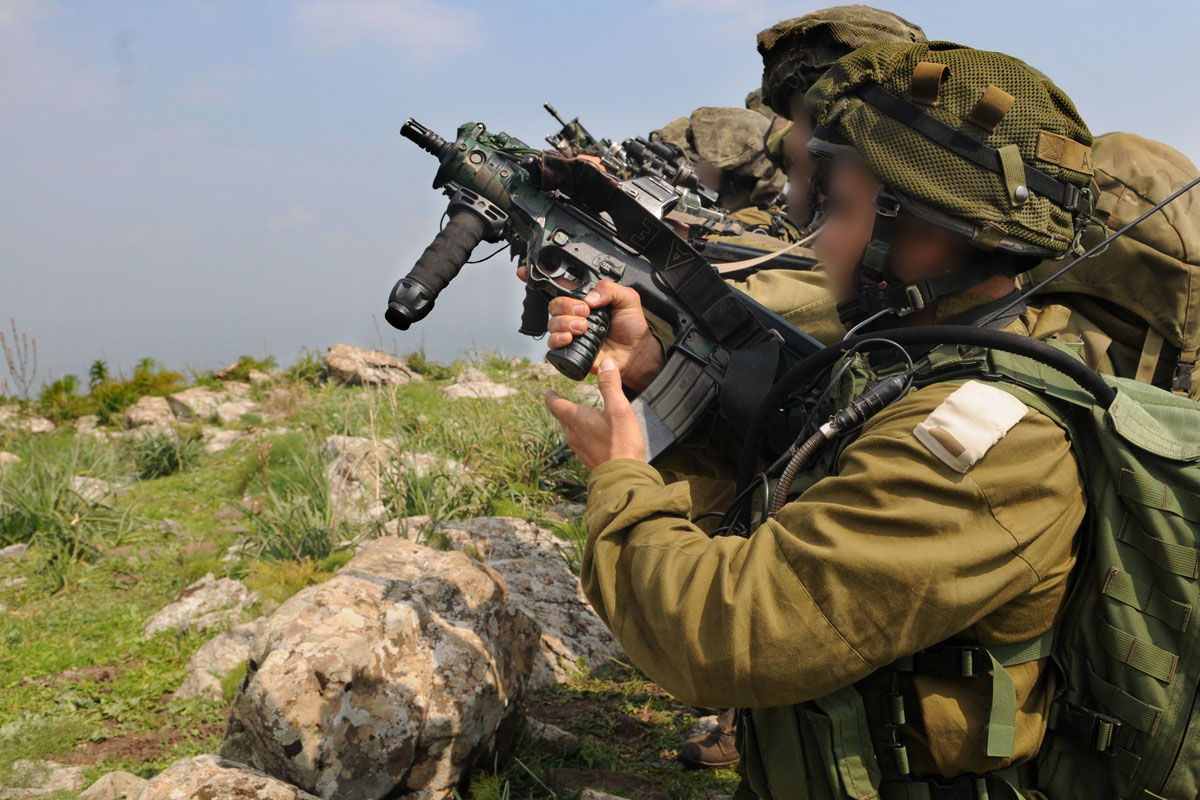
Egoz in confrontation with Hezbollah
In 1993, the battalion became the spearhead in confronting Hezbollah in southern Lebanon, as part of the long conflict between “Israel” and Lebanon. It was important for the operations branch of the Israeli occupation army to make the effort and provide the capabilities to form this unit, whose aim was to restore respect for the Israeli occupation army after a series of failures against Hezbollah fighters.
After the occupation army withdrew from southern Lebanon on May 25, 2000, under the impact of strikes by the Lebanese resistance, the Egoz unit was tasked with heavily guarding the border with Lebanon. But in March 2001, the occupation army announced that the unit had been absorbed into field operations in the West Bank, one year after the second Al-Aqsa Intifada in 2000. More specifically, the unit’s operations were moved to the central and southern West Bank.
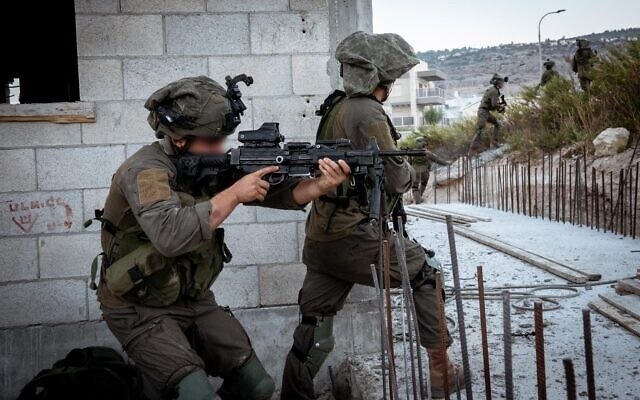
The unit’s operations in the West Bank and Gaza Strip
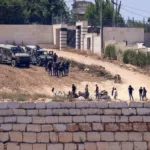
From the moment they were deployed in West Bank cities, the unit’s members set up armed ambushes and flying checkpoints on main roads in an effort to arrest people wanted by the Israeli security services, in addition, of course, to carrying out abductions and assassinations in accordance with directives from the Shin Bet, the General Security Service.
The unit’s members also conducted round-the-clock patrols near Palestinian residential communities in the West Bank, in an attempt to confront Palestinian resistance groups heading out to carry out shooting attacks on Jewish settlements or other Israeli military targets near Palestinian towns and villages, especially since the unit possesses high combat skills against fedayeen activity.
This unit was responsible for the assassination of Iyad Sawalha, 28, commander of the military wing of the Islamic Jihad movement in the northern West Bank. The occupation accused him of responsibility for several military operations inside “Israel” that resulted in the deaths of 32 Israelis and the wounding of at least 200 others, including 25 soldiers among the dead. At the time, the occupation army said on its website: “Sawalha was located thanks to intelligence provided by the General Security Service (Shin Bet) to the army, which used special undercover units and the Egoz unit.”
In January 2008, the unit advanced with the armored corps of the Israeli occupation army east of Gaza City and, with the help of the Zionist air force, killed 18 Palestinians, including Hossam al-Zahar, the son of senior Hamas leader Dr. Mahmoud al-Zahar.
The Egoz unit took part, as part of the Golani Brigade, in the war on Gaza in 2014. “Israel” called the operation “Protective Edge,” while Palestinians called it “the consumed harvest.” During it, the occupation army committed major massacres that claimed the lives of 1,030 martyrs. As for the Egoz unit, the Qassam Brigades killed many of its members, while the Israeli army acknowledged that the unit commander was seriously wounded during clashes in Gaza during the assault.
Its participation with other special units
Israeli special units specializing in what the Israeli occupation army called “surgical operations” behind Palestinian lines took charge of such missions. The undercover unit Duvdevan and the Egoz unit participated in raiding many residential neighborhoods and abducting Palestinians in the early hours of dawn.
An abduction operation consists of two stages. The first is infiltration until reaching the home of the targeted person for arrest, where the forces surround the house and then abduct him. The second is the entry of army forces to protect the unit that took part in the abduction operation. In some arrest operations, Palestinian agents working for Israeli intelligence may also participate, accompanying the special units’ members while masked in order to guide them to the homes of those targeted for arrest.
Arrest operations do not take place only through home raids. Intelligence may be available about wanted individuals inside a certain vehicle, in which case an ambush is set for it, after which the forces pounce and arrest those inside.