



Israeli military and police units tasked with suppressing Palestinians employ a wide range of technological tools to track resistance fighters and monitor their movements. At the same time, they continue to rely on more traditional methods, including disguise, concealment, and impersonation adopting the appearance of Palestinian militants through their clothing, local dialects, and even by growing beards when necessary.
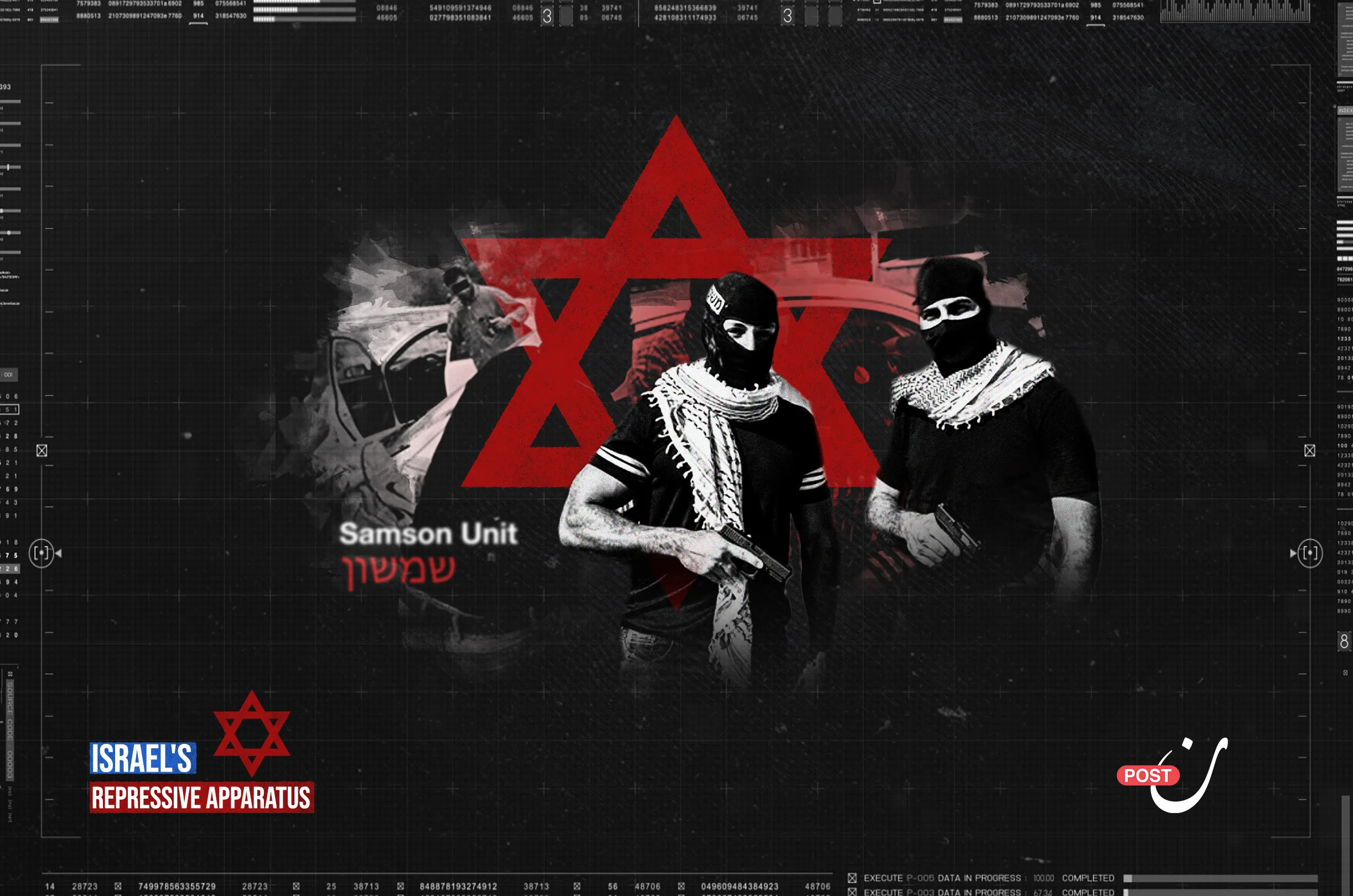
One such example is the Samson Unit, also known as Unit 367. Established on the orders of then Southern Command chief Yitzhak Mordechai, the unit spent a decade operating in the heart of the Gaza Strip, where it was involved in the suppression of Palestinian civilians from 1986 to 1996. Today, little remains of the unit except its enduring legacy and the memory of its operations. Its counterpart, the Duvdevan Unit, continues to operate in the occupied West Bank.
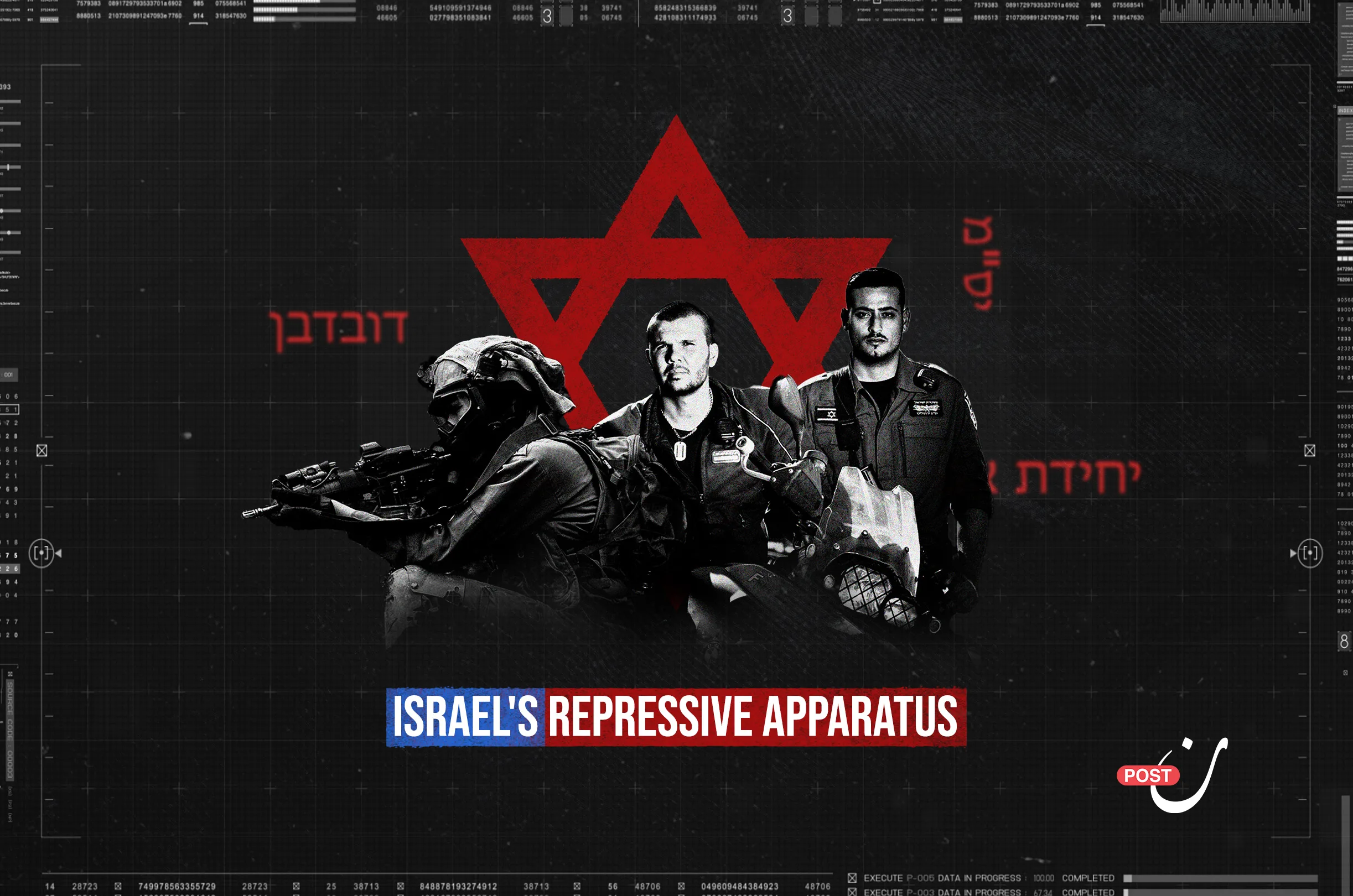
As part of Noon Post’s series, “Israel’s Repressive Apparatus” this article examines the Samson Unit, which operated in the Gaza Strip and played a prominent role in targeted killings and the suppression of Palestinian youth. The unit was named after Samson, the legendary Jewish figure who, according to biblical narratives, brought down a temple upon himself and those inside it.
How Did It Begin?
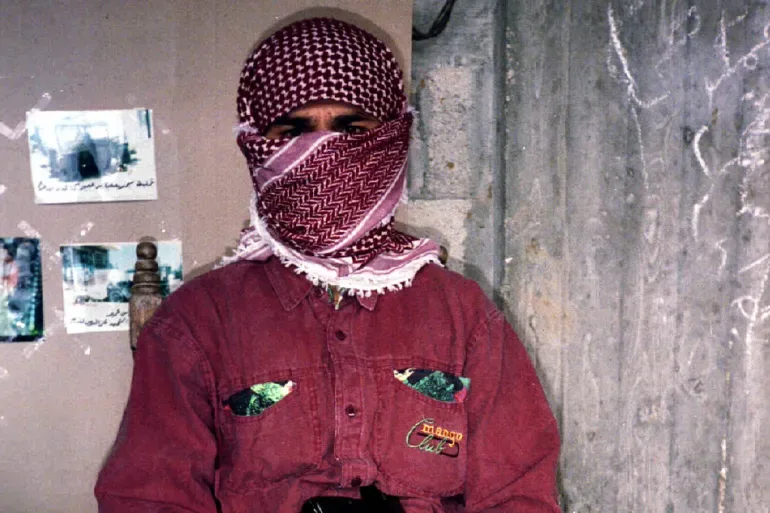
In late 1986, Ehud Barak—then commander of Israel’s Central Command—established the Duvdevan Unit to carry out special and complex missions in the West Bank. The unit consisted of operatives highly skilled in disguising themselves as Arabs, speaking Arabic fluently, and blending into Palestinian society. Their physical appearance often closely resembled that of Palestinians, with darker complexions and distinctly Arab features.
At the same time, Barak ordered the creation of a similar unit in Gaza, which became known as the Samson Unit. It was tasked with carrying out comparable operations and was responsible for many killings conducted through close-range shootings of wanted Palestinians. The unit officially began operating in 1988 and received extensive logistical and operational support from Israeli military institutions, with its requests and requirements consistently met.
The unit also enjoyed a special relationship with both the Israeli Southern Command and the military command overseeing Gaza. During that period, Southern Command chief Matan Vilnai reportedly entered the Jabalia refugee camp accompanied by two aides disguised as Arabs, effectively operating undercover.
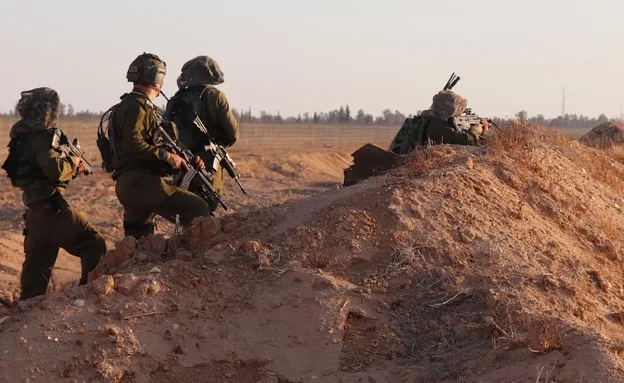
After a decade of activity, Vilnai—who later served as Deputy Chief of Staff of the Israeli military—personally ordered the unit’s dissolution in 1996, following the signing of the Oslo Accords. Israeli military leaders concluded that the changing conditions in Gaza, as well as the territory’s geographic and demographic characteristics, made the continued use of such units less practical after the establishment of the Palestinian National Authority.
Vilnai arrived at the Samson Unit’s base in Kisufim, a Jewish settlement in the northern Negev desert that served as the unit’s headquarters, and announced its disbandment, saying:
“We transferred some of the unit’s members to the Duvdevan Unit in the West Bank to reinforce it, and others to the Egoz Unit operating along the Lebanese border.”
Reorganization
With the outbreak of the Second Intifada in 2000, the Israeli military rebuilt the Samson Unit. This time, it specialized in field operations involving raids on Palestinian villages and neighborhoods with the objective of assassinating or capturing wanted individuals. It also provided security for settler convoys traveling at night between settlements and areas within Israel’s pre-1967 borders.
The Israeli military later restructured the unit again to operate along the Gaza border as part of what became known as a border intelligence and recruitment unit. According to Palestinian sources, the unit operated in areas adjacent to the separation fence between “Israel” and the Gaza Strip, abducting farmers and handing them over to Israel’s internal security agency, the Shin Bet. Those detained were reportedly interrogated either to obtain information that could be used against Palestinian resistance groups or to pressure them into becoming informants.
Among the tactics attributed to the reconstituted undercover unit was disguising operatives as vegetable traders dressed in traditional Palestinian attire and traveling in Mercedes cargo trucks commonly used by Palestinian merchants.
As for whether the unit continues to operate in Gaza, the Interior Ministry in the Gaza Strip rejected claims published by the Israeli newspaper Haaretz alleging that Israeli undercover teams were active in Gaza under the name Samson Unit. According to the newspaper, members of the unit “speak Arabic fluently, grow beards to resemble resistance fighters, and facilitate the infiltration of Palestinian resistance movements.”
The ministry dismissed the allegations as fabrications intended to boost the morale of the Israeli military and wage psychological warfare against Palestinian resistance groups in Gaza. It stated that reports suggesting the unit was operating on the ground inside the Gaza Strip were unfounded.
First-Hand Testimonies From Samson Unit Members
Israel’s Channel 2 television aired a report on the Samson Unit that included interviews with several of its officers and operatives. Speaking publicly for the first time, they discussed targeted killings and what they described as close-range executions carried out against Palestinian youths.
The report detailed two assassination operations conducted by the unit. The first targeted Osama al-Najjar in 1992, the leader of the Fatah Hawks organization in Khan Younis. “Israel” accused him of executing Palestinians suspected of collaborating with the occupation authorities. The second operation targeted Anwar Islih, whom Israel accused of opening fire on the Samson Unit during the operation that killed al-Najjar.
According to the report, intelligence provided by the Shin Bet identified the whereabouts of al-Najjar. The undercover unit moved to the location but did not know precisely where inside the building he was hiding. After storming the building and engaging in a firefight, one Israeli officer was killed and another wounded, while al-Najjar was ultimately killed.
As for the killing of Anwar Islih, the report states that he was participating in a demonstration at night when undercover operatives followed him through the crowd. From a distance of approximately 30 centimeters and face-to-face, several operatives opened fire simultaneously, killing him instantly.
One member of the unit recounted the moments following the shooting:
“We started hearing screams and cries of ‘Allahu Akbar.’ People began moving backward, trying to understand what was happening. They had heard gunfire but had not seen anything. As I stepped back to insert a new magazine into my pistol, I saw one of our men on the ground with four bullets in his back. In that operation, two members of the unit were killed and others were wounded.”
Understanding the history of the Samson Unit is important given its past activities in the Gaza Strip and its role in targeted operations against Palestinians. Its presence in Gaza, however, did not endure perhaps due to the territory’s unique demographic and social characteristics, as well as Israel’s increasing reliance on aerial strikes in its military operations against the densely populated and blockaded enclave.