



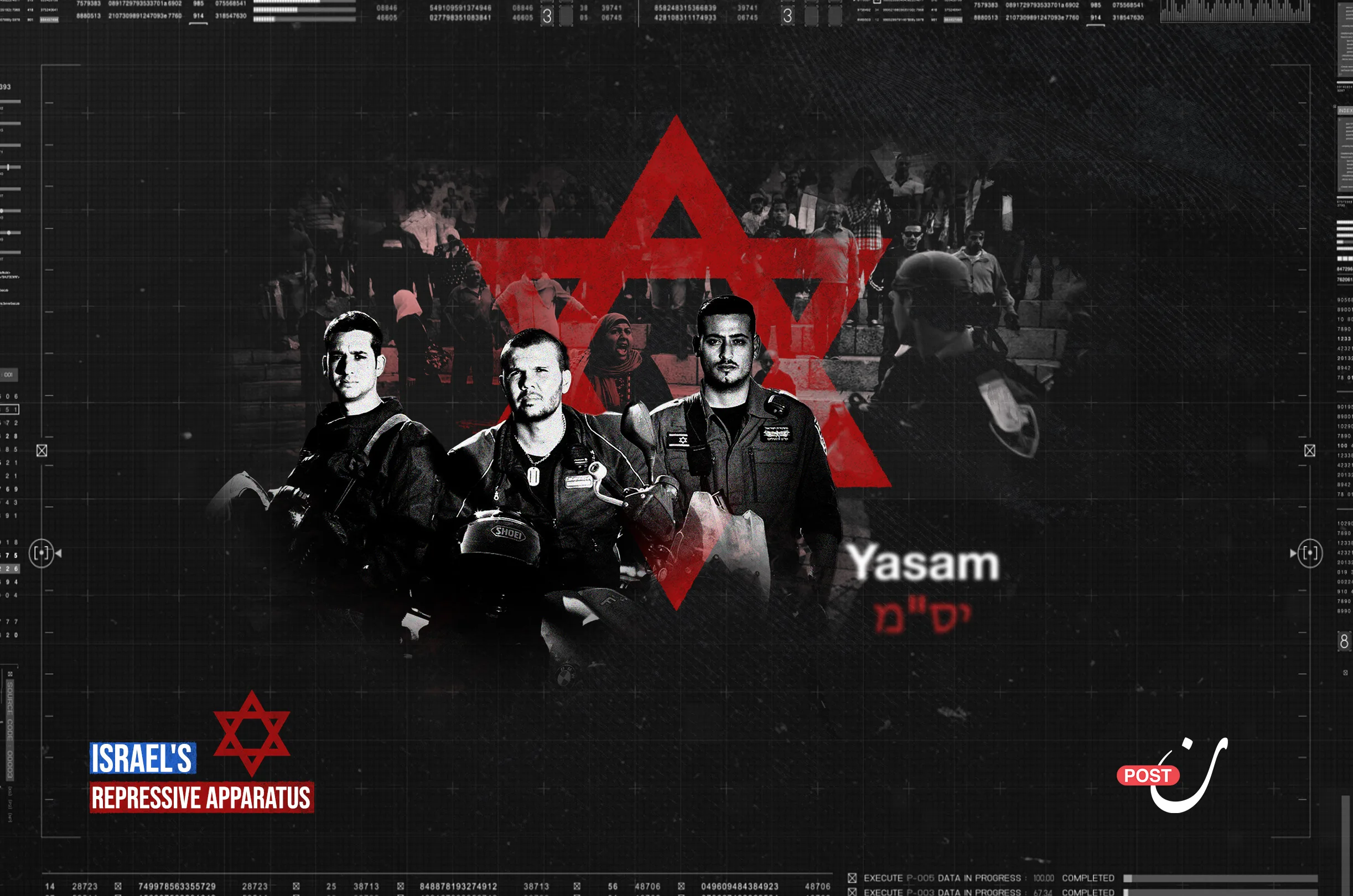
Palestinians in Jerusalem and those living within Israel’s 1948 borders endure harsh daily realities. Their freedom of movement is severely restricted, and access to work, education, and public life is often impeded. Israeli police officers and accompanying special units maintain a constant presence around them, suppressing their movements wherever they go even in places of worship. Among the most visible of these forces is the YASSAM unit, notorious for its heavy-handed tactics and assaults against Palestinians in the courtyards of Al-Aqsa Mosque.
The site frequently witnesses confrontations, particularly following YASSAM’s facilitation of Talmudic prayers by Israeli settlers and its violent suppression of Palestinians who oppose such activities.
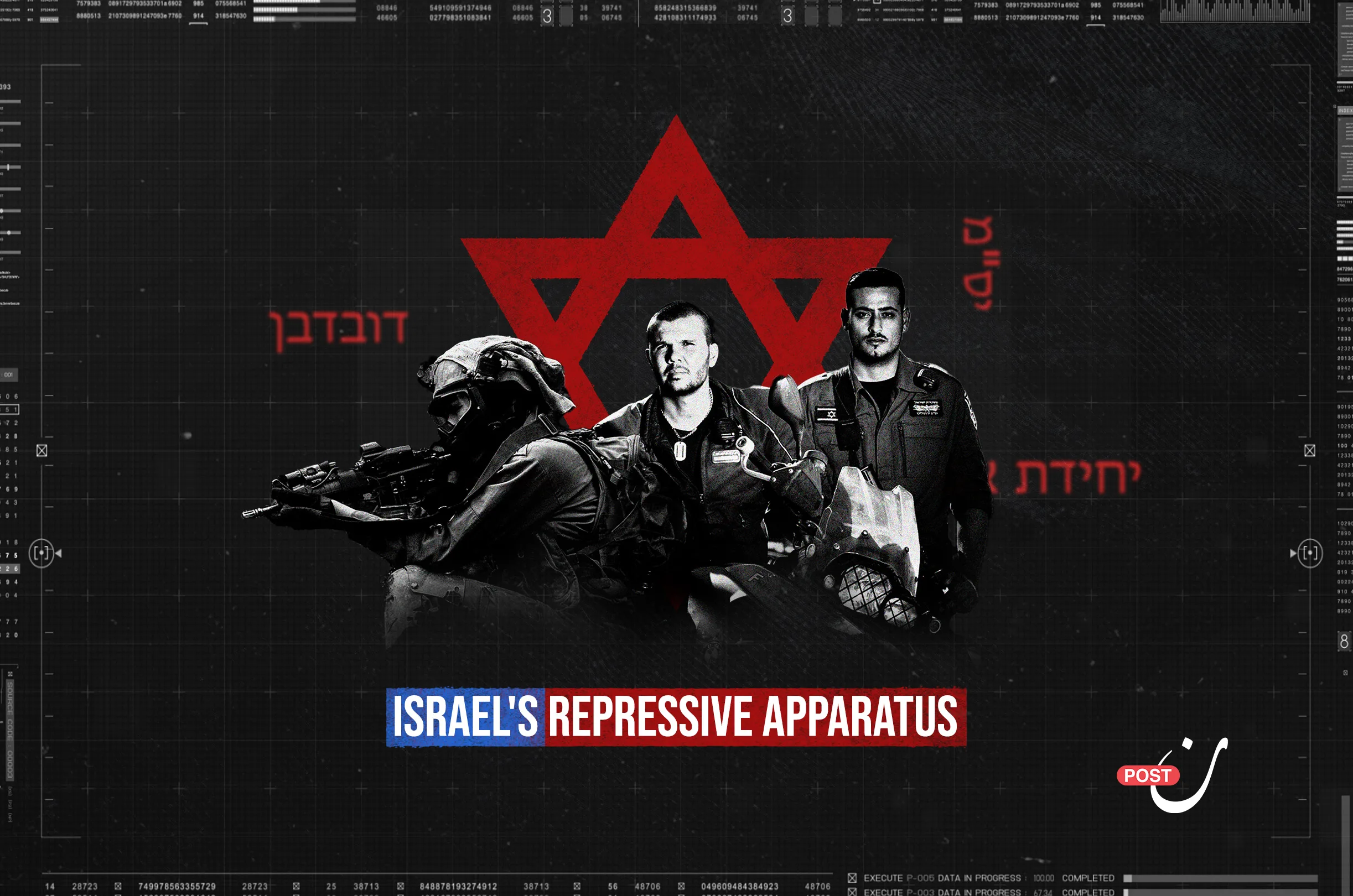
In our series, “Israeli Repression Apparatuses,” we continue examining Israeli military and police units that, according to Palestinian accounts, are involved in suppressing Palestinians, carrying out assaults, conducting extrajudicial killings, restricting movement, making arrests, and violating the sanctity of mosques, universities, and other institutions. This article focuses on the YASSAM unit: What is it? Where does it operate? And what are its primary missions?
The YASSAM Unit
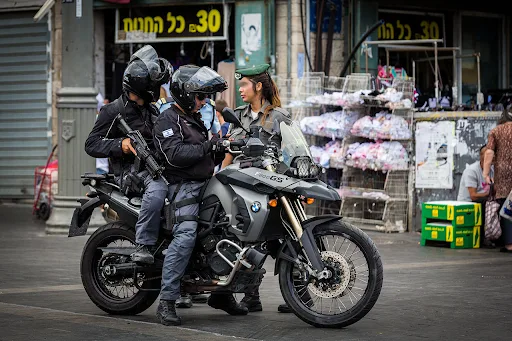
YASSAM is a special unit within the Israeli Police that operates primarily in Jerusalem and in areas within Israel’s 1948 borders. Its name is an acronym in Hebrew for “Special Patrol Unit.” According to information published on its official website, the unit was established in 1988 with the aim of confronting large-scale demonstrations and public unrest.
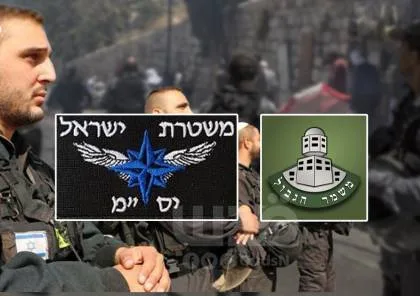 The unit is composed largely of graduates of various combat formations within the Israeli military. Its members are widely known for their aggressive methods, relying heavily on force, physical assaults, and violent crowd-control tactics. Recruits undergo initial police training followed by specialized combat courses focused on riot control and protest suppression. They also participate in joint training programs with the Border Police, a branch of the Israeli Police responsible for securing borders, frontline areas, and air and sea ports.
Fighting Crime But Not Quite
Although YASSAM was designed as a force to confront demonstrations and unrest, critics argue that its primary function has become the repression of Palestinians, particularly in Jerusalem. Over recent years, Israeli police forces accompanied by special units—including YASSAM—have become a familiar presence during confrontations with Palestinians.
During the May uprising, hundreds of YASSAM officers were deployed in an effort to limit the size and influence of worshippers gathered in the courtyards of Al-Aqsa Mosque. Following Friday prayers, large crowds from across historic Palestine would often stage peaceful demonstrations condemning settler incursions into the mosque compound. According to eyewitness accounts, these demonstrations were frequently met with baton charges, pepper spray, and physical assaults from multiple directions.
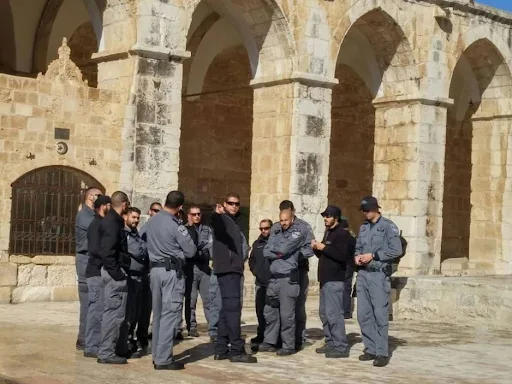 The unit’s activities have not been limited to beatings and violent crowd control. Critics contend that its operations have expanded to include actions resulting in fatalities. YASSAM officers were reportedly involved in the killing of Mohammed Kiwan in the town of Umm al-Fahm late last year, an incident that drew widespread attention and condemnation.
Rather than focusing on combating violence and crime within Palestinian communities inside “Israel” as originally intended critics argue that YASSAM’s activities have increasingly centered on actions against Palestinians. Together with the Border Police, the unit is formally responsible for maintaining public order and combating crime in Jerusalem and within Israel’s 1948 territories. Yet for many Palestinians in Jerusalem, these responsibilities appear secondary to the daily reality of raids, beatings, and forced dispersals.
The unit was also heavily deployed during Israel’s disengagement from Gaza in August 2005. Its role during that period generated considerable controversy and criticism among Israel’s religious-nationalist circles. Several Zionist religious leaders urged followers, including military personnel, to refuse orders related to implementing the disengagement plan.
 One prominent rabbi, Avraham Shapira, called on his followers to reject participation in the withdrawal and to distance themselves from military and accompanying special units such as YASSAM should the disengagement proceed. The opposition was rooted in religious interpretations that viewed relinquishing territory as religiously impermissible.
A Wave of Resignations Within YASSAM
In recent months, Israeli media reports have revealed what was described as a “significant wave of departures” among officers and personnel serving in the YASSAM unit, amid escalating tensions in the Sheikh Jarrah neighborhood and widespread confrontations across Palestinian communities on both sides of the Green Line.
According to a report published by the Israeli newspaper Haaretz, one of the principal reasons behind the departures was the inability of some personnel to cope with the sustained wave of Palestinian protests, particularly around Al-Aqsa Mosque. Serving in what officers reportedly described as “sensitive” locations exposed them to heightened risks and pressure. The report indicated that approximately one out of every five YASSAM personnel had sought either to leave the unit altogether or transfer to another assignment.
The report further stated that 55 members of the Jerusalem-based YASSAM force out of a total of roughly 250 officers serving in the unit—requested either resignation or reassignment during the previous year. Officials reportedly viewed the scale of these requests as unusually high compared with previous years, describing the trend as a significant blow to both the unit and the broader police leadership.
According to figures cited by the Jerusalem-focused news website MyNet, 46 YASSAM officers requested transfers to other units during the previous year, while an additional nine officers sought to resign entirely. This brought the total number seeking to leave the unit to 55. By comparison, 25 officers requested transfers out of the unit during 2020.
 The report noted that Jerusalem has long been regarded as a focal point of tension. However, the past two years in particular witnessed a series of protests and violent confrontations, especially in the Old City, at the entrances to Jerusalem, around Al-Aqsa Mosque, and in Sheikh Jarrah. As a result, YASSAM was required to operate intensively throughout these flashpoints, leading to repeated clashes between its personnel and Palestinian demonstrators and placing considerable strain on officers.
The report concluded that continued tensions in Sheikh Jarrah and elsewhere could lead to an even greater number of officers seeking transfers or leaving the Israeli Police altogether.
The Events of May 2021
During the widespread unrest that swept Palestinian communities within the Green Line in 2021, Israeli authorities deployed a number of special units, including YASSAM, alongside limited participation from the elite YAMAM counterterrorism unit, in an effort to suppress what was described as the most serious Palestinian uprising inside Israel in decades.
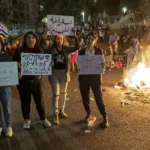
The unit was accused of using excessive force against demonstrators. Many Palestinians received police summonses, while others were arrested immediately. Videos circulated widely on social media appeared to show women, children, and anti-occupation demonstrators being beaten, dragged, and forcibly dispersed.
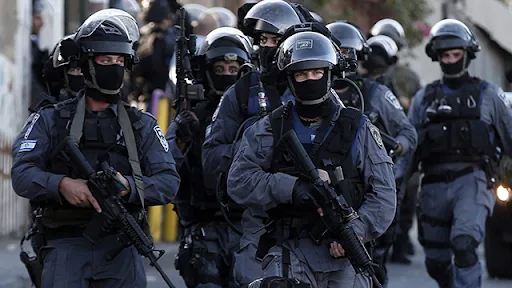 YASSAM also played a major role in operations at Al-Aqsa Mosque, including the use of tear gas and stun grenades against worshippers and restrictions on religious gatherings, particularly during the holy month of Ramadan.
Israeli authorities continue to establish and expand specialized security units aimed at maintaining control over the Palestinian population and curbing aspirations for freedom, critics argue. These units, operating alongside the Israeli military, employ advanced crowd-control and security tactics in what Palestinians view as a broader effort to weaken their resilience and suppress resistance across all areas of Palestinian life.