







هذا التقرير متاح أيضًا بـ العربية
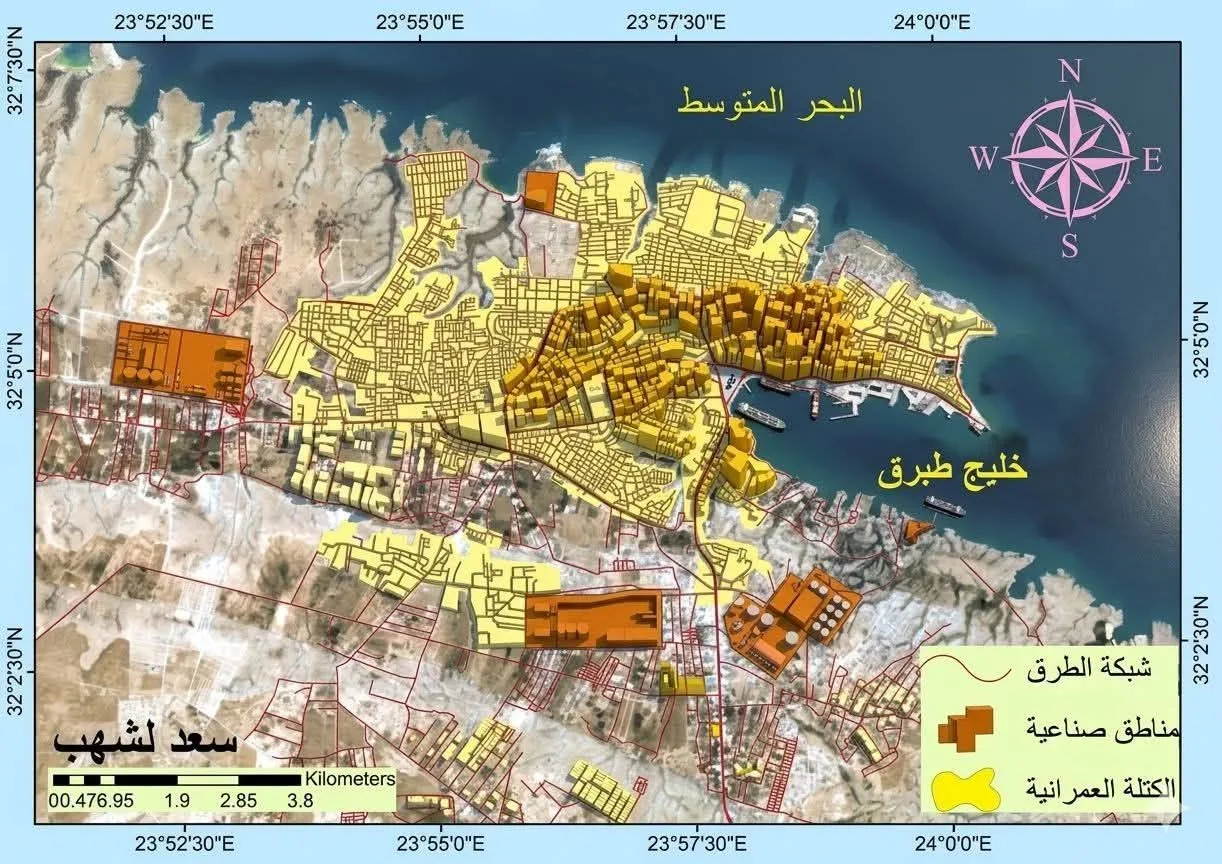
On the edge of the Mediterranean Sea, in Libya’s far northeast, lies the city of Tobruk, which is embraced by the sea on three sides. It is about 140 kilometers from the Egyptian border, 175 kilometers from Derna, and roughly 400 kilometers from European shores, making it the Libyan city closest to southern Europe.
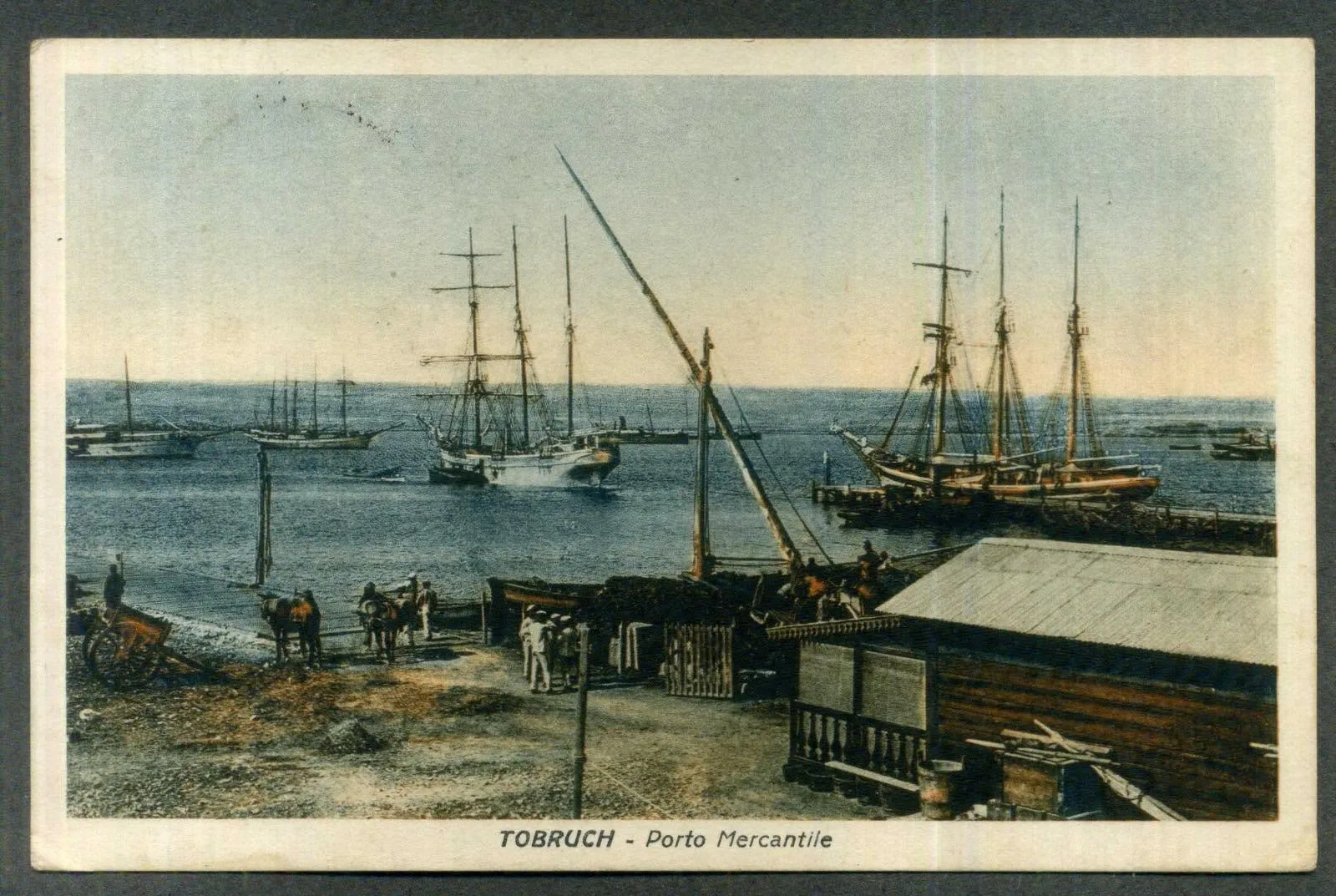
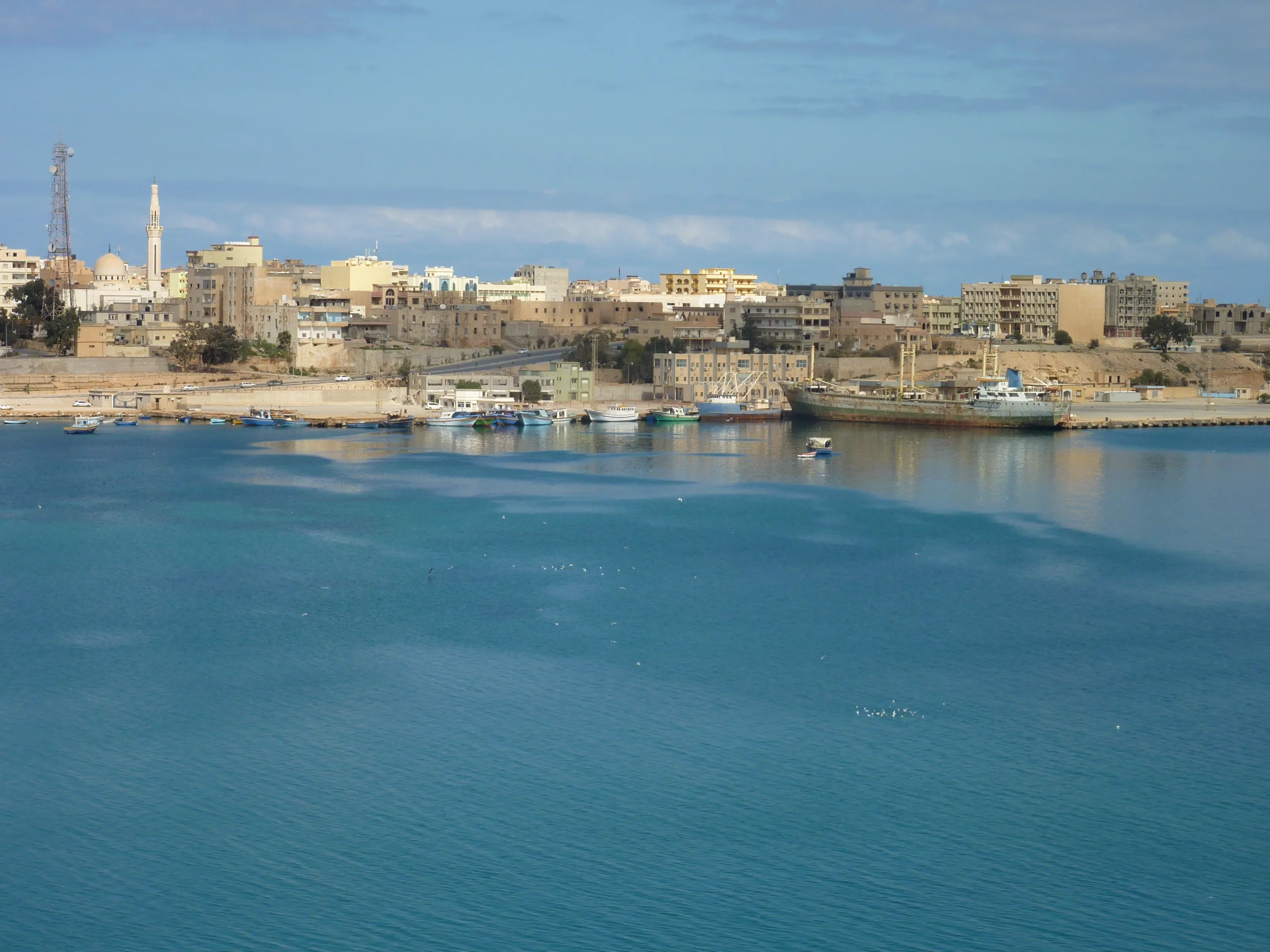
This location has given Tobruk a rare distinction as a meeting point between North Africa, the Arab East, and the Mediterranean, as well as a land and sea gateway to eastern Libya. Tobruk’s importance has been further reinforced by its deep natural bay, which provides ships with a safe haven from changing weather conditions and receives them year-round.
Across the ages, Tobruk’s location has been the main force shaping the city’s history, as the Greeks and Romans recognized its strategic value and made it a major navigation station. Tobruk retained its status during the Byzantine and Islamic eras as a link on the coastal road between Egypt and the Maghreb, before reaching the height of its military prominence in the 20th century as a pivotal supply base during World War II.
With the upheavals that swept the region after 2011, Tobruk returned to the center of the geopolitical and international scene because of concerns over energy security, irregular migration, and intensifying international competition, in addition to its proximity to the Suez Canal and its position on vital trade routes.
But to this day, Tobruk’s status and importance have not been reflected in the reality of its residents. Despite the city’s geographic and logistical potential, it still faces accumulated economic, service, and structural challenges, and many of its residents feel their city has not received a share commensurate with its location and weight.
From this standpoint, this report offers a comprehensive reading to understand the reality of Tobruk, examining its social and economic structure and the most important challenges it faces, while also exploring the reasons behind its growing geopolitical importance amid intensifying regional and international competition over eastern Libya and the Mediterranean.
Tobruk from within: Politics and society
Tobruk’s society consists of a diverse mix of Libyan tribes and families that settled in the city over successive historical periods, alongside arrivals from other Libyan regions and residents of foreign and Arab nationalities, especially Egyptians.
According to Ziad al-Senussi, a researcher on Tobruk’s history and one of its sons, speaking to Noonpost, Tobruk underwent demographic shifts after World War II, as its urban footprint expanded and it received waves of internal migration from neighboring cities and regions.
Tobruk’s society is marked by family and tribal ties that form the basic foundation of social cohesion, while social councils remain vital spaces for strengthening bonds, exchanging advice, and discussing the city’s conditions. Tribal elders play a central role in organizing social life, resolving disputes, and reviving national and religious occasions.
Al-Senussi describes Tobruk society as “a generous and deeply tribal society.” He also notes that the Obeidat, Qata’an, and Manfa tribes represent the most prominent tribal forces in the social landscape, and believes tribal custom remains the most influential framework in managing many of Tobruk society’s affairs, though in his view this has come at the expense of formal institutions.
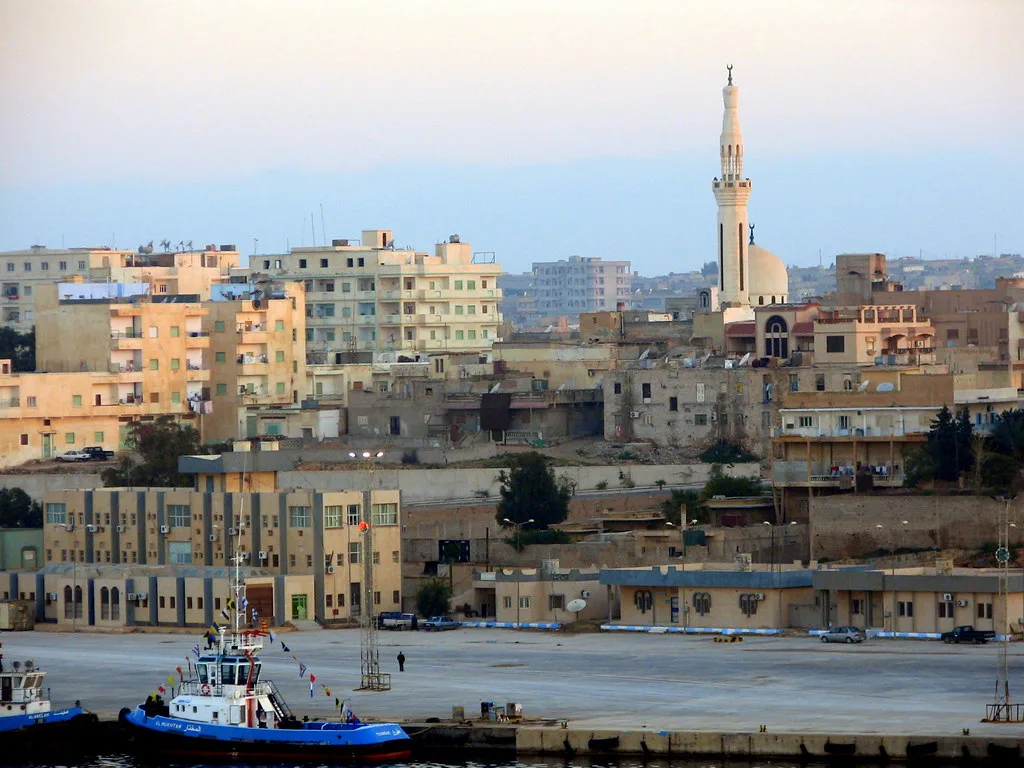
Al-Senussi recounted to Noonpost how Tobruk suffered marginalization during Moammar Gadhafi’s rule, along with the persistence of basic problems, foremost among them the water crisis and weak infrastructure.
Al-Senussi notes that the majority of Tobruk’s residents supported the Feb. 17, 2011 revolution, and Tobruk was among the first cities to slip from the regime’s control. Yet it did not produce a prominent local revolutionary leadership, as it was liberated in the early days of the revolution, while most of its young men headed to battlefronts in other cities and joined military formations in Benghazi and Derna.
After the events of 2011, Tobruk witnessed a reshaping of local power balances, and some specialized studies indicate that the Obeidat tribe became the most influential tribe in the city, benefiting from its demographic weight and its role in supporting the anti-Gadhafi movement. This has been reflected in the presence of its members in a number of security and military institutions today.
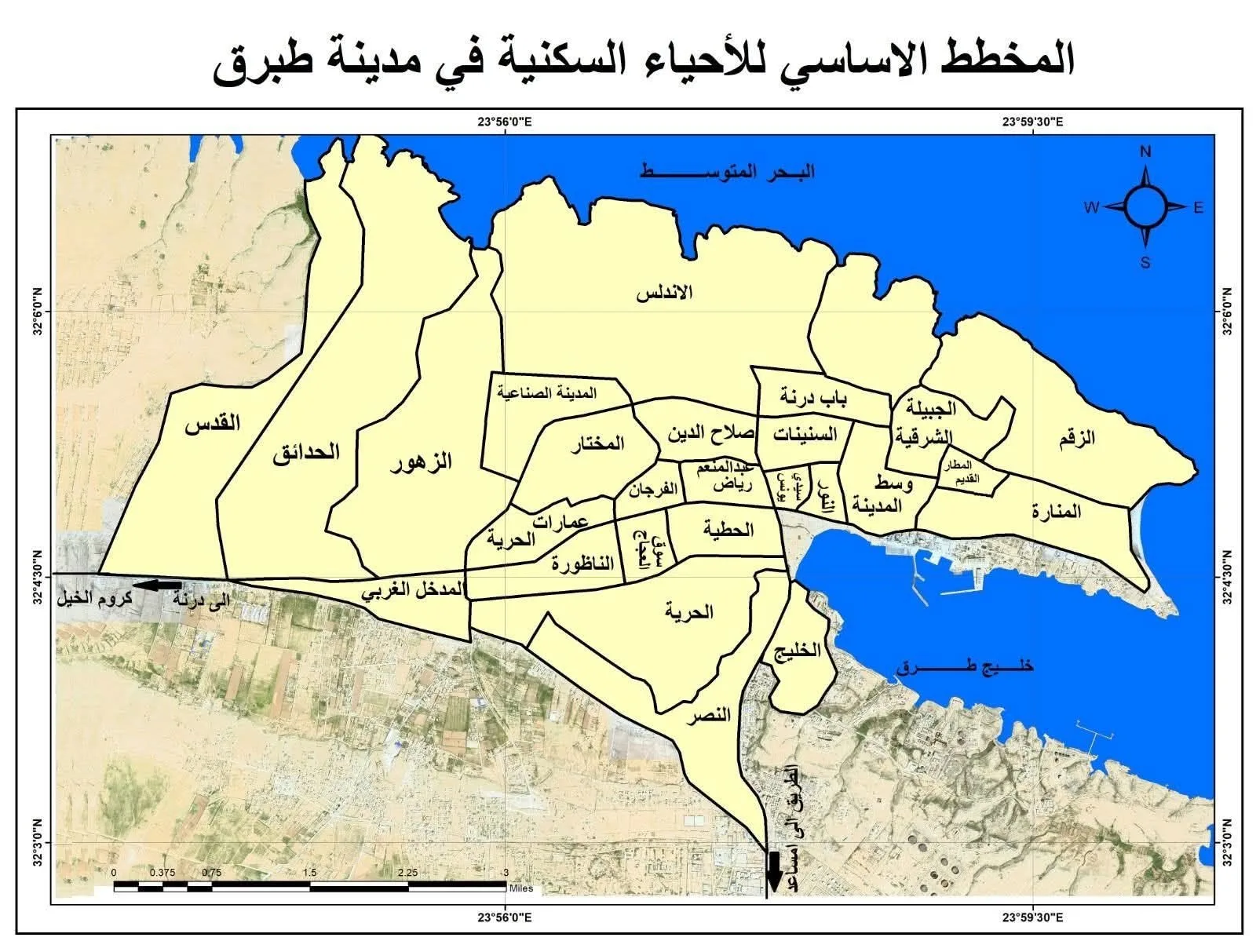
Other tribes hold mid- and lower-level positions, especially the Masamir tribe, which has specialized primarily in domestic intelligence, with its members occupying a number of key posts in the General Administration for Inspection and Follow-up. Meanwhile, tribes such as the Manfa and Qata’an play political roles, and internal stability depends on arrangements among clans and families based on balance and patronage in sharing positions and distributing real estate and land resources.
In his interview with Noon post, Ziad al-Senussi, a researcher on the history of Tobruk and one of its sons, believes the collapse of central authority after the fall of the Gadhafi regime helped entrench tribalism in Tobruk and brought changes to the city’s social structure, reflected in the growing influence of tribes and their expanding role in managing local affairs.
Al-Senussi points out that this shift has been accompanied from time to time by social divisions and problems. He also believes Field Marshal Khalifa Hifter enjoys a popular base in Tobruk, adding that the relationship today between the tribes and the existing authorities is characterized by ebb and flow, depending on interests and political circumstances.
On the security front, al-Senussi described the security situation in Tobruk to Noon post as fragile, but said tribal norms still contain the situation. He also notes that Tobruk has undergone rapid social transformations in recent years that have affected its traditional structure, attributing this to rising incoming migration and the presence of a minority engaged in illicit activities such as drug trafficking and migrant smuggling. He believes these phenomena have had negative effects on the city’s security reality.
On the religious front, the overwhelming majority of Tobruk’s residents are Muslim, and most belong to the Maliki school. According to al-Senussi in his interview with Noonpost, there are no religious minorities in Tobruk, but there is an ongoing struggle within the Islamic scene between Salafi and Sufi currents, especially in some mosques and fields of preaching.
Over recent decades, Tobruk has also seen an expansion in the construction of mosques and religious educational institutions. The education sector has also seen notable development, as the number of schools at the basic education level below secondary school increased, while university education evolved from colleges affiliated with other Libyan universities to the establishment of the University of Tobruk in 2016, which includes colleges in medical, engineering, scientific, humanities, and economics disciplines.
Tobruk has also witnessed over recent decades an expansion in media and cultural activity through local media institutions and cultural centers, alongside events in literature and thought, as well as academic activities organized by the University of Tobruk and other official institutions.
Tobruk’s economy: Potential and challenges
Tobruk’s economy has been tied since its inception to its maritime location. Before the discovery of oil, its residents relied on maritime trade, fishing, grazing, and livestock raising, alongside some agriculture, such as vegetables and crops of wheat and barley. Despite limited agricultural resources compared with the Jabal al-Akhdar region, the port remained the main pillar of economic life in Tobruk.
With the discovery of oil in Libya in the late 1950s, Tobruk underwent an economic transformation. Although the main oil fields lie outside its geographic scope, its location and natural harbor helped strengthen its status as a logistical center supporting maritime transport activities and Libya’s energy sector.
At present, Tobruk is one of the important economic centers in eastern Libya, and its economy today is based on a mix of maritime, commercial, and service activities.
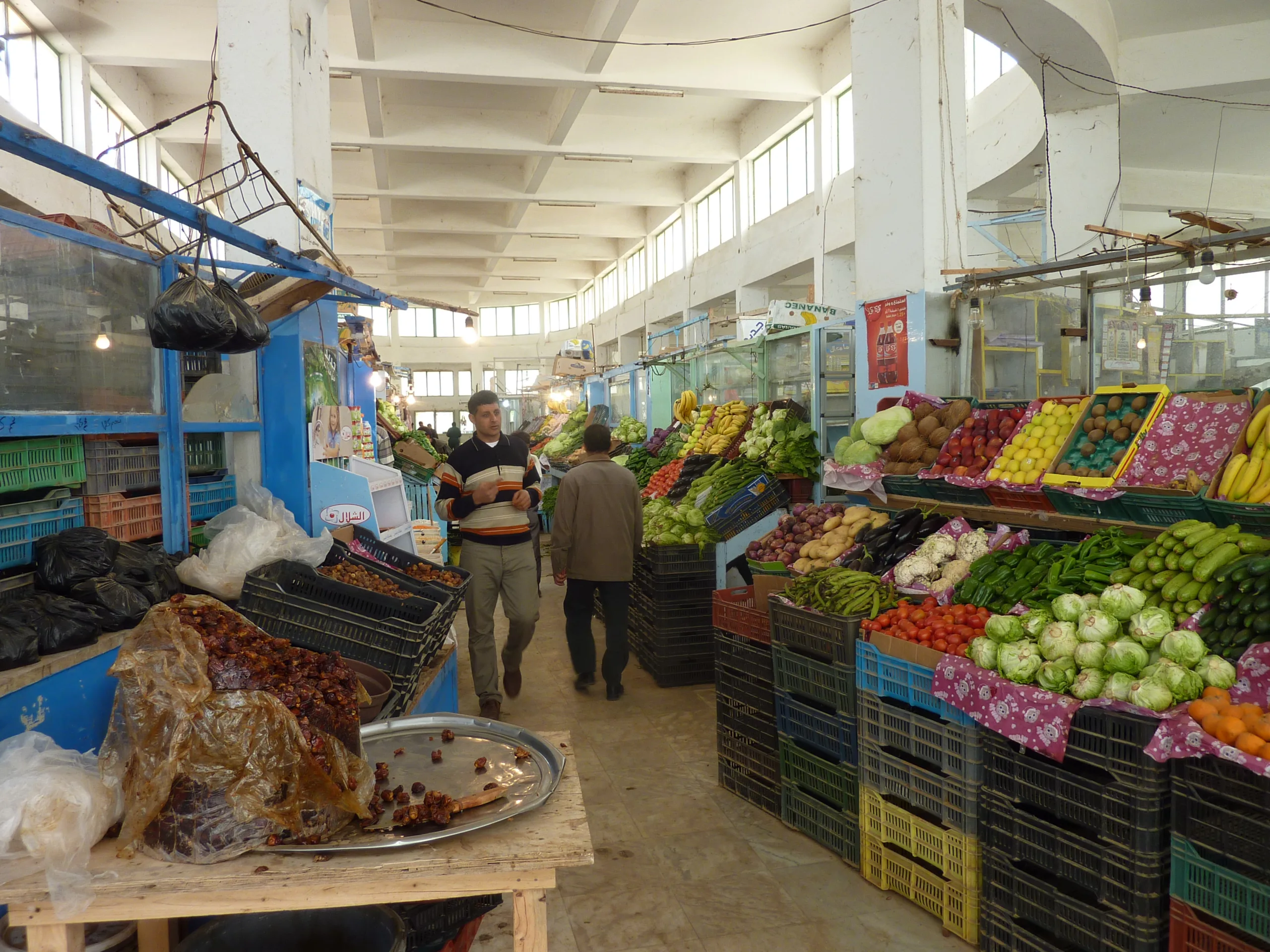
A large segment of its residents works in ports, transport, trade, fishing, government services, and activities linked to the oil sector. Its ports are also active in importing foodstuffs, construction materials, and machinery, alongside exporting crude oil.
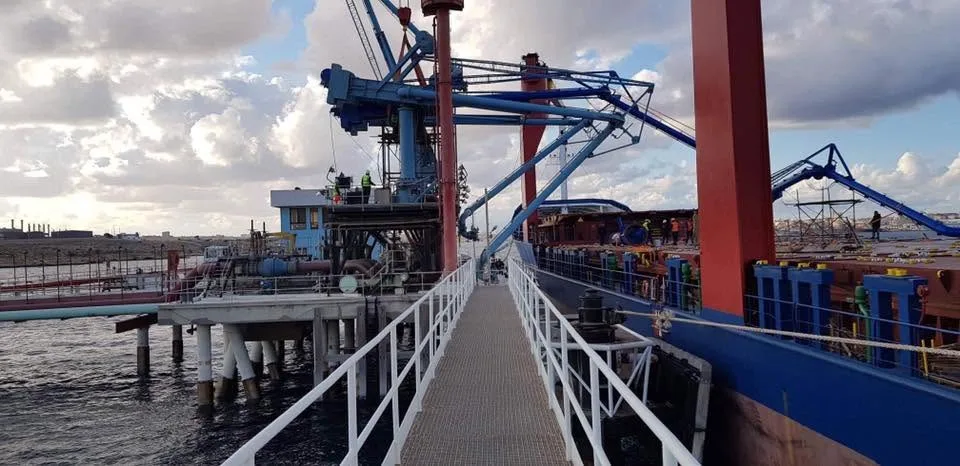
Tobruk has a logistical structure based on three main maritime facilities: the commercial port of Tobruk, which is the main outlet for import and export traffic; the Al-Hariga oil terminal, one of the most important crude oil export ports in eastern Libya; and the Brega terminal. These three facilities operate year-round thanks to the natural protection provided by Tobruk Bay.
In his interview with Noon post, al-Senussi notes that the majority of Tobruk’s residents work in the public sector and receive their salaries from state institutions, while another portion of the workforce is linked to the oil sector through work at the Arabian Gulf Oil Company, the Al-Hariga oil terminal, and the Messla and Sarir fields south of the city.
Tobruk also includes an airport for civil and military use, power generation and seawater desalination stations, in addition to an internal road network that plays a vital role in economic activity between the port and inland areas. Tobruk also has promising potential in the tourism sector thanks to its location, its long beaches, and the natural and heritage assets of the Jaghbub area, which includes oases, orchards, and a number of historical landmarks.
Official bodies and experts have proposed turning Tobruk into a center for interregional trade linking Africa and Europe. In fact, the Free Zones and Transit Trade Conference held in Tobruk early this year reflects a notable ambition to turn the city into a logistical hub in the Mediterranean basin.
Set against that potential, the agricultural sector in Tobruk faces serious challenges as a result of ongoing urban expansion. Some studies point to a continuous decline in agricultural land, which researchers say is a warning sign of an environmental disaster. If this continues, the rest of Tobruk’s agricultural land is on a path toward disappearance.
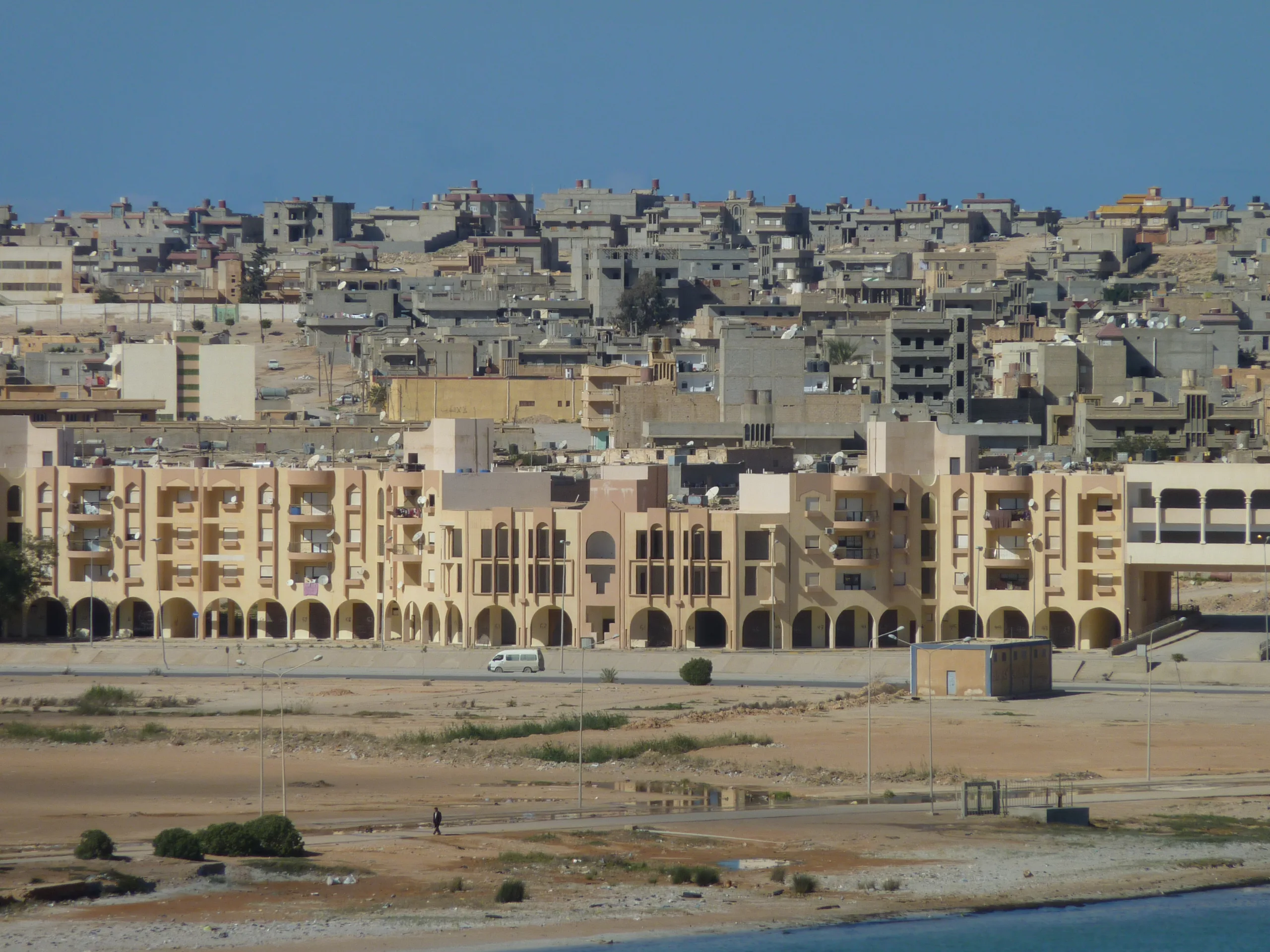
Despite Tobruk’s economic importance, it has for decades faced crises and challenges, especially in its infrastructure. Many of its residential neighborhoods suffer from severe deterioration in sewage networks, cracks in buildings, piles of garbage, and a sharp shortfall in water drainage networks.
The drinking water crisis tops the list of challenges facing the city. Tobruk depends almost entirely on a desalination plant built during the Gadhafi era, which has now become dilapidated, with rusted pipes and nearly disabled machinery, and it produces no more than 40,000 cubic meters per day. The city also suffers from a continuing crisis of electricity outages.
These crises have worsened because of waves of internal displacement and migration from neighboring cities due to conflict, as well as the relocation of the families of House of Representatives employees and members to Tobruk, which has put pressure on public facilities. Class disparities have also deepened with the suspension of modern housing projects and the allocation of completed ones to parliament employees, which stirred resentment among residents of older neighborhoods and tin-shack housing.
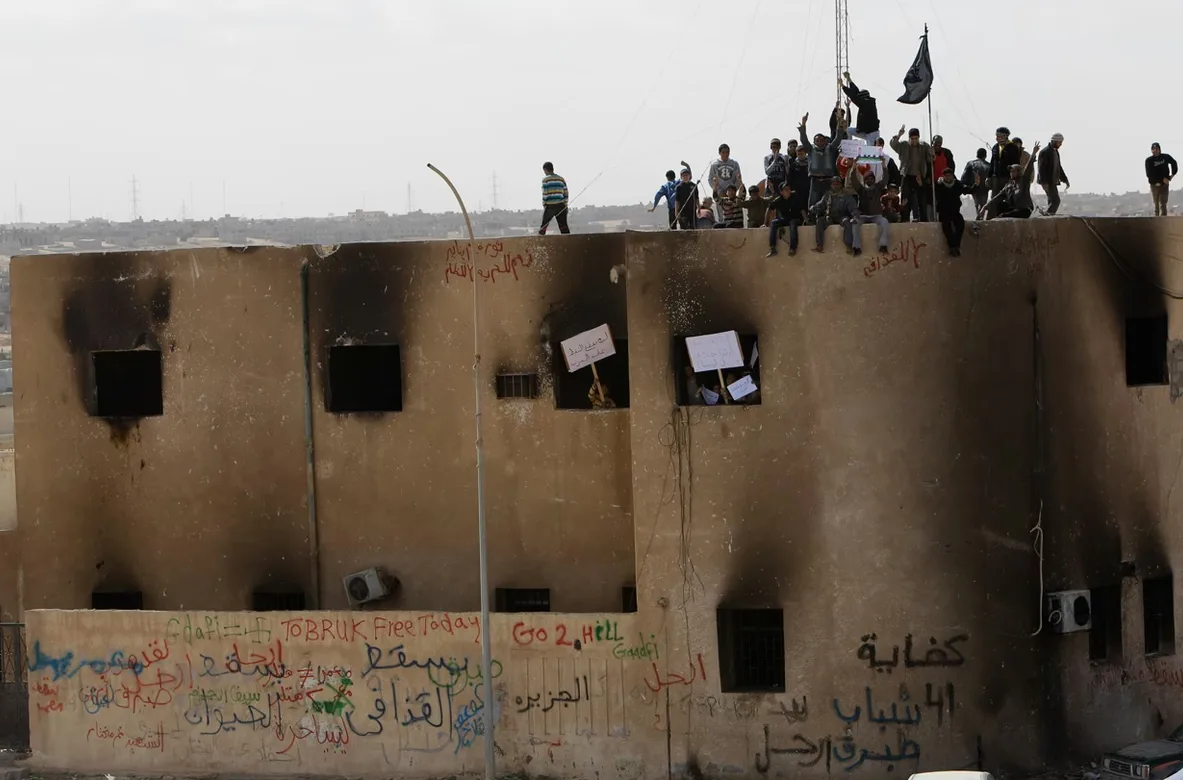
Then, in early July 2022, Tobruk witnessed widespread popular protests over deteriorating living conditions and the continuing political deadlock. Protesters stormed the House of Representatives headquarters and set parts of it on fire. Their demands focused on improving public services, especially addressing the electricity outage crisis, accelerating presidential and parliamentary elections, ending the state of political division, and calling for the departure of all foreign forces and mercenaries from the country.
On the environmental side, reports by local activists revealed massive pollution affecting Tobruk because of what oil tankers entering the city’s commercial port have left behind, alongside reports about foreign control over some economic sectors and the spread of troubling phenomena such as the kidnapping of foreign workers.
By virtue of its coastal location, Tobruk has in recent years become one of the most prominent departure points for irregular migration across the Mediterranean, especially for migrants coming from Egypt and African countries. Incidents of dilapidated boats sinking off its coast recur, and scarcely a single month passes without Tobruk’s shores recording a tragic incident.
Researcher al-Senussi believes that a broad segment of Tobruk’s residents feel their city has not received what befits its status and strategic location, and that it suffers from developmental neglect reflected in weak basic services, foremost among them the drinking water crisis and repeated electricity cuts.
Tobruk at the heart of international geopolitical competition
In recent years, Tobruk has become an arena of geopolitical tug-of-war in the eastern Mediterranean, with international powers seeking to entrench their presence in the city through the gateway of reconstruction and strategic projects, exploiting its location and natural harbor, which give it growing importance on trade and energy maps, especially in the period after the Russia-Ukraine war.
In his interview with Noon post, researcher al-Senussi stresses that the growing international interest in Tobruk reflects its geographic position and harbor, and believes the importance Tobruk enjoys is “well deserved,” noting that its natural harbor is among the most important and deepest natural ports along the southern Mediterranean coast, from Bizerte in the west to Alexandria in the east.
China stands out as one of the most prominent parties seeking to expand its presence in Tobruk, within the context of its global strategy that began with the Belt and Road Initiative in 2013, which made ports, transport networks, and infrastructure key tools for enhancing its influence.
After its activity in Libya declined following the events of 2011, Beijing began gradually reactivating its ties with the eastern Libyan camp and showed growing interest in infrastructure in Tobruk. This was reflected in the 2016 agreement between Chinese companies and former Prime Minister Abdullah al-Thinni to support the reconstruction and development of Tobruk.
Media reports and research studies indicate growing Chinese interest in projects in eastern Libya, including Benghazi airport, the ports of Tobruk and Sirte, and railway networks linking Cyrenaica to the Egyptian border. Reports have also circulated about Chinese investment proposals estimated at about $50 billion, including the development of Tobruk airport, the construction of an oil refinery in Tobruk, and a railway line linking Tobruk to Benghazi and Egypt.
A number of researchers believe Beijing’s interest in Tobruk goes beyond economic considerations, as Tobruk gives China a foothold on the southern shore of the Mediterranean in a region whose importance has grown as Europe seeks to diversify energy sources and reshape global supply chains after the Russia-Ukraine war.
Likewise, despite the geographic and natural advantages of Tobruk Bay, its current capabilities still fall short of the potential offered by its location. It needs infrastructure upgrades and facility development, which opens the door to possible foreign investment, especially from countries such as China that have expertise in developing ports and transport networks.
Alongside the Chinese presence, Russia is working to strengthen its military presence in Tobruk, as international reports indicate that Russia operates two military bases in Tobruk and Benghazi. Russian efforts also include plans to establish a deep-water naval facility in Tobruk port.
Moscow’s interest in the country is not new. It maintained close political and military ties with the Gadhafi regime, and after 2011, Russia gradually returned to the Libyan scene, taking advantage of political division and relying on multiple diplomatic, economic, and security tools.
Eastern Libya and Tobruk port hold particular importance in Russian calculations because of Moscow’s ties to the authorities controlling this region, its hosting of oil and commercial ports, and Tobruk’s direct outlook over the eastern Mediterranean. Tobruk’s deep-water port would also be useful to Russian naval power from both logistical and geostrategic standpoints.
Western reports and studies have discussed Russia’s efforts to develop logistical cooperation with Hifter’s camp to expand its influence in Tobruk, while some analyses have suggested that Tobruk could in the future represent an option for strengthening Russia’s naval presence in the eastern Mediterranean, or a complementary and perhaps alternative base to Syria’s Tartus base.
In fact, talk of growing Russian influence in eastern Libya and the possibility of Moscow obtaining naval facilities in Tobruk has drawn increasing attention from the United States and the European Union. There are no public indications that Washington or the EU are seeking to establish a military presence or manage infrastructure projects inside Tobruk itself; their interest stems from the files of irregular migration, Mediterranean security, counterterrorism, energy security, and curbing the Russian presence.
Reports and studies issued by Western research centers see any Russian naval presence in Tobruk as giving Moscow the ability to influence Mediterranean security, monitor shipping lanes, and strengthen its influence in energy and irregular migration files.
Some of these projects in Tobruk have also raised concern among a number of tribes and local residents, who have demanded transparency from the authorities regarding the nature and objectives of those projects. They have expressed fears about projects being established on land they own without consulting them, and have called for the local community to be involved in planning and implementing these projects, and for guarantees that such projects will not go beyond their developmental aims into dimensions that could affect residents’ interests and rights.
In this regard, researcher al-Senussi noted that the majority of Tobruk’s residents do not welcome any foreign military presence inside their city, while they view positively projects and investments that could contribute to development and provide them with job opportunities.