









هذا التقرير متاح أيضًا بـ العربية
Even before the US war on Iran ended, Gulf states had begun considering what rules should govern relations with Tehran after one of the region’s most dangerous confrontations in decades.
The war exposed the limits of political de-escalation and US protection: neither had prevented attacks from reaching Gulf territory and facilities, or disruption from affecting vital transport routes. It also showed that hosting US forces could make a state a target for Iranian retaliation, while disruption in the Strait of Hormuz and attacks on infrastructure could quickly affect energy exports, trade and shipping.
Gulf states have since begun seeking security arrangements that include Iran. In September 2026, Qatar called for a “regional collective security system” that includes Tehran, Saudi Arabia discussed a regional non-aggression pact, and the UAE called for direct Arab-Iranian dialogue on regional security.
Their proposals seek to limit the effects of a US-Iranian confrontation on the Gulf. Gulf capitals want to strengthen their defences and maintain their partnership with Washington while reaching direct understandings with Tehran: rules that clarify the limits of their involvement in any future confrontation and reduce the risk of war reaching their territory and facilities.
What did the war change in Gulf security thinking?
In the years before the war, Saudi Arabia, the UAE and Qatar combined efforts to ease tensions with Iran with security ties to the United States. Riyadh restored diplomatic relations with Tehran under the Beijing agreement in March 2023, while Abu Dhabi had already restored diplomatic representation. Doha maintained channels for communication and mediation. All three continued to rely on Washington militarily.
A study published in International Affairs in late 2025 found that, despite diversifying their partnerships, Gulf states remained deeply dependent on US military technology, training, defence infrastructure and weapons. Confidence in that approach had begun to weaken even before the war.
Iran’s attacks on Saudi oil facilities in September 2019 revived questions about Washington’s willingness to respond when its allies came under attack. Israel’s strike on Doha in 2025 then raised questions about whether close ties with the United States could shield Gulf states from regional conflict.
The 2026 war made those concerns immediate for Gulf states caught up in a confrontation they had not chosen to start.
The clearest change concerned US bases. For decades, the presence of US forces was seen as raising the cost of attacking a host state. But the war exposed another side of that arrangement. Tehran treated US military infrastructure in the Gulf as part of the force confronting it, even as Gulf governments said they would not allow their territory to be used for offensive operations.
Qatari Foreign Ministry spokesperson Majed Al-Ansari said in September 2026 that international forces and the strategic partnership with the United States were “very important” but “not sufficient”. Anwar Gargash, diplomatic adviser to the UAE president, called on regional states to improve their ability to protect their interests while maintaining the US partnership.
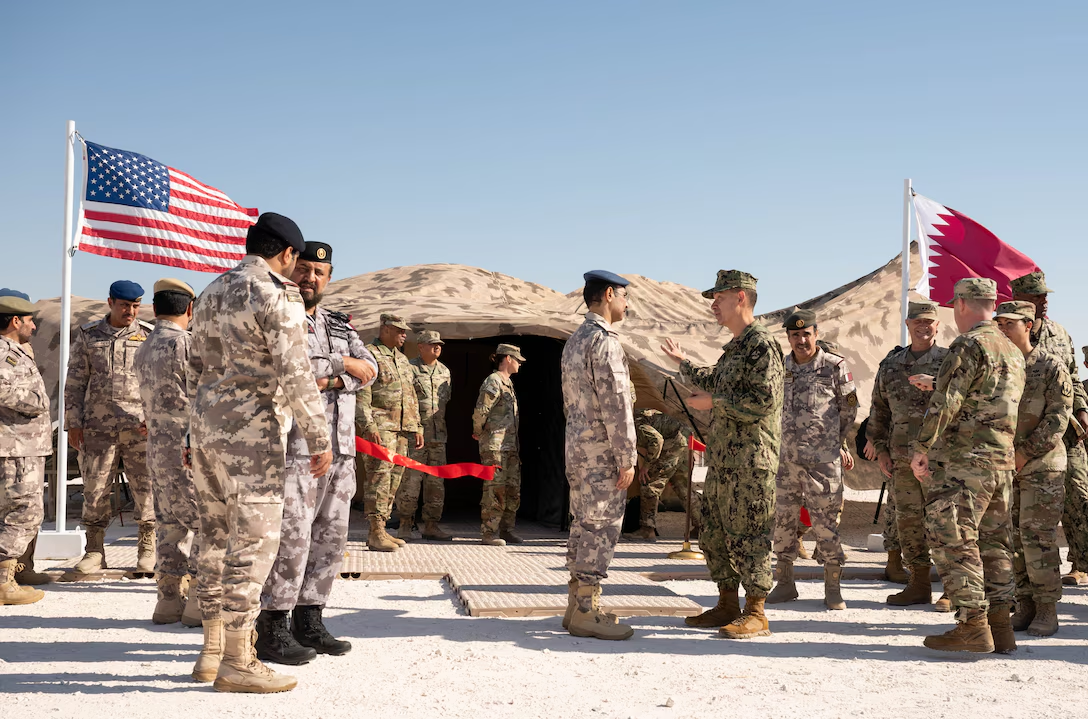
The war also raised questions about air and missile defence. In a study for the Arab Gulf States Institute in Washington, researcher Jean-Loup Samaan concluded that Patriot and THAAD systems would remain central to defence. Their high cost and limited numbers, however, make it difficult to counter large waves of missiles and drones without more varied interception systems, larger stockpiles and a wider range of arms suppliers.
Energy infrastructure presents another vulnerability. Saudi Arabia can move a large share of its oil to the Red Sea through the East-West pipeline, and the UAE has an alternative export outlet through Fujairah. Qatar remains more dependent on the Strait of Hormuz for its liquefied natural gas exports.
Chatham House estimated that Saudi and Emirati routes bypassing the strait could not carry all the oil that normally passes through it. QatarEnergy said in September that attacks had taken about 17 per cent of the country’s LNG capacity offline and that repairs to two damaged trains could take years.
These risks have given dialogue with Iran a wider security role. Before the war, de-escalation largely aimed to prevent relations from deteriorating and reduce the chance of friction. Discussions are now turning towards rules for how both sides would act during a crisis, with the aim of preventing a confrontation from spreading into the Gulf.
Mehran Haghirian, a Gulf policy researcher at the Middle East Council on Global Affairs in Doha, believes the war reinforced a view already taking shape in most GCC states: military deterrence and US support need to be accompanied by a political channel with Iran to reduce escalation and improve stability.
The council’s director-general, Khalid Al-Jaber, offered a similar assessment in an April 2026 study. He included “preventive diplomacy” among the tools of deterrence, alongside diversifying partnerships and building national capabilities. On this view, preventing war from reaching Gulf territory matters alongside intercepting and responding to attacks.
The Gulf and Iran: What does each side want?
Qatar, Saudi Arabia and the UAE share an interest in keeping a US-Iranian conflict away from their territory, although each faces different risks.
Qatar has come closest to proposing a broad regional framework. Addressing the UN General Assembly on 22 September 2026, Emir Sheikh Tamim bin Hamad Al Thani called for a collective security system based on sovereignty, non-interference and the peaceful settlement of disputes, with Iran included in the region’s security arrangements.
Doha has particular reasons to pursue this approach. It hosts major US military infrastructure, its gas economy depends on Hormuz, and mediation and communication with rival parties have long been features of its foreign policy.
The war showed the need for clearer rules on the use of territory, bases, airspace and waters when Washington and Tehran are in conflict. Qatari facilities could become vulnerable to retaliation even though Doha had no part in the decision to launch an attack.
Saudi Arabia has focused on a non-aggression pact. According to the Financial Times, Riyadh discussed the idea of a regional pact with Iran in September 2026, as the Houthis again became a prominent Saudi security concern.
On 22 September, the Group of Seven called on Iran to stop arming and supporting the Houthis. Riyadh also sought Beijing’s help in pressing Tehran to curb Houthi attacks.
For Riyadh, the value of any understanding depends in part on whether it can restrain indirect pressure, particularly through the Houthis. Missiles and drones have shown they can threaten Saudi territory, oil facilities and Red Sea shipping.
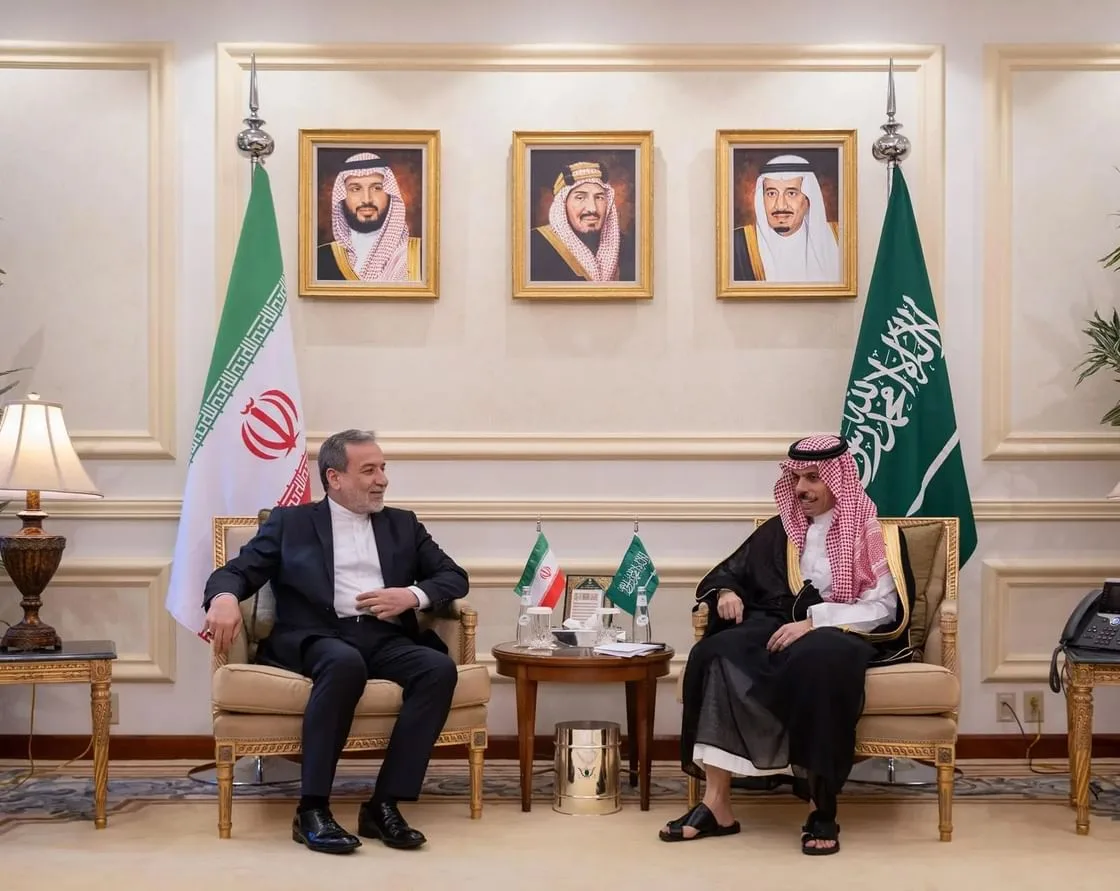
The UAE is pairing dialogue with Iran with efforts to make its economy less vulnerable to another breakdown in relations. Gargash said in September that rebuilding trust with Tehran would take years. He called for direct Arab-Iranian dialogue so that regional security would not depend solely on negotiations between Iran and the United States.
Abu Dhabi is also expanding infrastructure on its eastern coast, pipelines, railways and alternative trade routes to reduce the effects of disruption in Hormuz. The Emirati economy’s reliance on trade, services and international connections makes it particularly exposed to prolonged disruption in shipping or transport.
The European Council on Foreign Relations described this approach as “hardened connectivity”: preserving commercial and financial openness while using alternative routes, reserves and stronger defences to keep the economy operating during crises.
Tehran, meanwhile, has linked its treatment of Gulf states to whether their territory is used in US military operations against it. In March 2026, Iranian President Masoud Pezeshkian said Iran would stop targeting neighbouring states unless attacks against it were launched from their territory. In September, Iran’s military leadership warned that states participating in any new attack could be treated as parties to the conflict.
In an analysis published on 14 September 2026 by the Center for Strategic and International Studies in Washington, Iranian-American researcher Vali Nasr argued that Iran’s strikes on US military infrastructure were intended in part to limit Washington’s ability to use its regional bases against Iran.
What counts as participation in a war remains a major difficulty. Gulf states said they would not allow their territory or airspace to be used for offensive operations against Iran, yet they were still attacked.
Studies by the Middle East Council on Global Affairs and the Middle East Institute in Washington indicated that Iran might also regard intelligence or logistical support for US forces as participation, even if an attack was not launched from the Gulf state itself.
Any future agreement would therefore need to define which actions make a host state a party to an attack. Otherwise, that determination would rest with Tehran and could change from one crisis to the next.
The Strait of Hormuz presents a similar problem. On 22 September, Iran linked its willingness to reopen the strait to an easing of US military pressure and the lifting of the blockade on its ports. During the war, Tehran had treated shipping as a means of putting pressure on its adversaries.
Given that position, negotiations over safe passage, ways to prevent incidents and channels for managing them appear more plausible than an arrangement that would remove Iran’s ability to exert influence over the strait altogether.
The Houthis and Iran’s missiles make an agreement harder still. A July study by the Middle East Institute found that Tehran was reshaping its network of allies to connect pressure points from the Gulf and Hormuz to the Red Sea and Bab el-Mandeb. Missiles and drones remain central to Iranian military doctrine after a war that exposed the gap between Iran and the United States and Israel in air power and military technology.
These positions suggest a possible exchange of commitments. Gulf states would retain their defence ties with the United States but set clearer limits on the use of their territory for attacks on Iran. In return, Tehran would agree not to treat the presence of US forces alone as grounds for targeting a host state, and to keep civilian infrastructure and shipping out of its retaliation.
Missiles, allied networks and Hormuz would remain the hardest issues to resolve because Tehran regards them as means of responding to US and Israeli military superiority.
How far can the Gulf’s approach go?
Experts and research centres suggest that a workable understanding would start with preventing the Gulf from becoming a battleground. That would require clear rules on the use of bases and airspace, a definition of when a Gulf state becomes a participant in military operations, protections for civilian infrastructure and direct channels of communication during crises.
In September 2026, the Stimson Center proposed revising US basing agreements in the Gulf to distinguish clearly between using bases for defence and navigation and using them to launch offensive operations against Iran.
It also called for direct channels that would help Tehran distinguish between a state hosting US forces and taking part in a war. The issue became more pressing after Gulf declarations of neutrality failed to protect some states from Iranian attacks.
An agreement may be more likely to hold if its commitments concern actions that can be observed, such as the use of bases in attacks or the targeting of vital facilities and transport routes. Such terms would establish clearer responsibilities than general pledges of good neighbourliness and non-interference. They could later be extended to shipping rules, the protection of civilian infrastructure and arrangements concerning regional flashpoints.
The Middle East Council on Global Affairs proposed a permanent channel between the GCC and Tehran, linked to arrangements for Hormuz that would include Iran, Iraq and maritime stakeholders. Its aim was to establish rules for handling crises before they erupt, rather than relying on dialogue after an incident.
Whether this approach succeeds depends partly on how evenly its obligations are shared. Gulf states want restraints on tools that give Iran much of its ability to exert pressure, while Tehran sees those same tools as safeguards against US and Israeli military superiority.
Iran appears more willing to negotiate limits on its use of Hormuz, allied groups and missiles than to give them up. That makes rules governing their use a more plausible subject for negotiation than their continued possession.
Saudi researcher Saleh Al-Khathlan of the Gulf Research Center warns that this approach could lead to what he calls the “Finlandization of the Gulf”. The term refers to Finland’s position during the Cold War, when it retained its independence and political system but took Soviet sensitivities heavily into account in its foreign and security policy.
Al-Khathlan fears that Gulf states could similarly begin to factor Iran’s likely reaction into major decisions, adjusting alliances or policies in advance to avoid a confrontation with Tehran. His warning raises a question for any agreement: would the constraints on Iran be balanced by those accepted by Gulf states?
Yemen would provide one test. If Tehran used its influence to reduce Houthi attacks and halt transfers of weapons used against Saudi Arabia and shipping, the effect of including Iran in security arrangements could be assessed.
If attacks continued while Iran disclaimed responsibility for the Houthis, a non-aggression pact would be of limited value. It would leave outside its scope one of the principal concerns driving Riyadh’s pursuit of an understanding with Tehran.
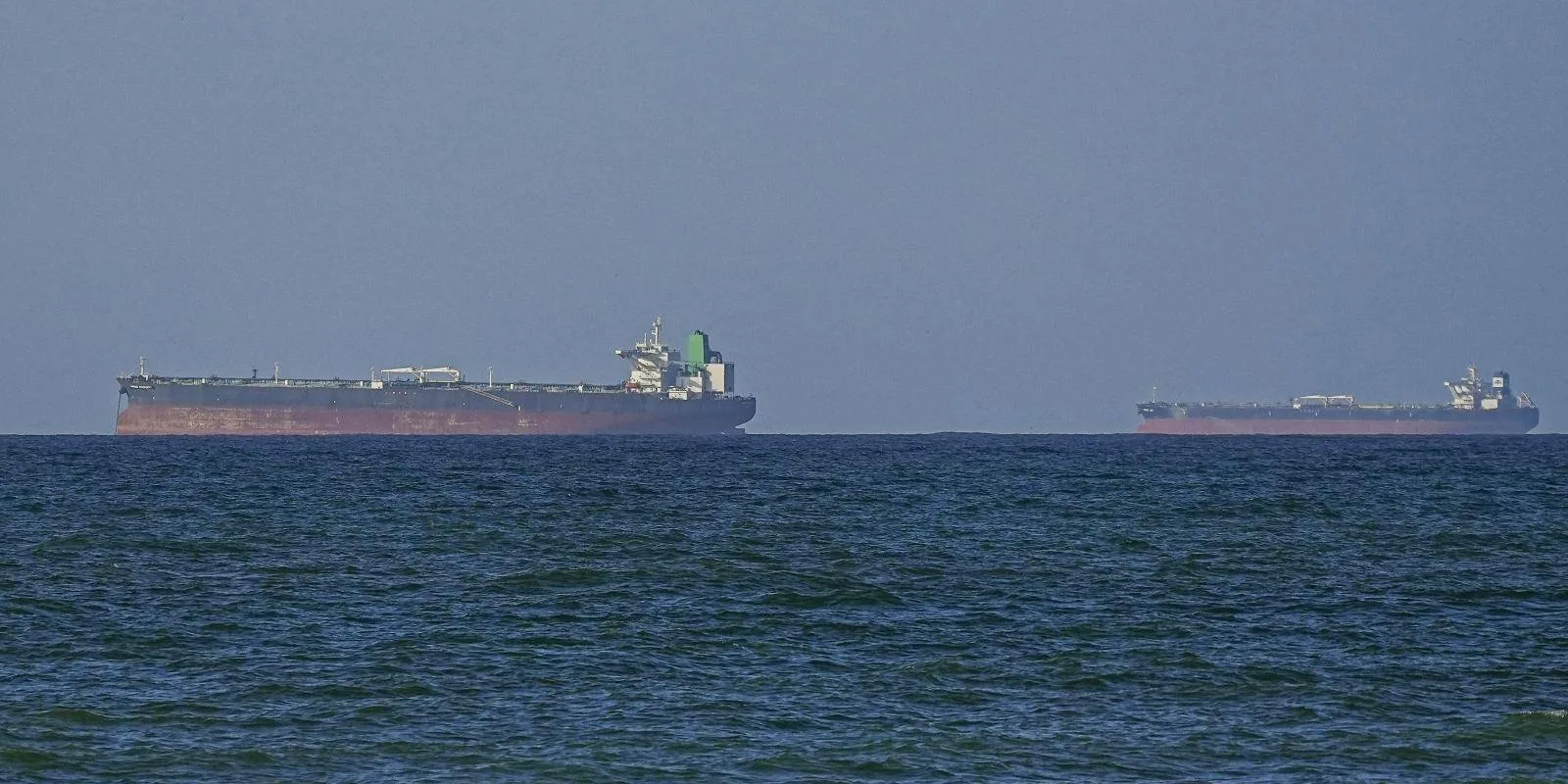
Hormuz would provide another test. Iran’s use of the strait as a bargaining chip during the war demonstrated its importance to Tehran. Any new arrangement would have to keep shipping open when tensions between Iran and the United States escalate.
Military bases would be a third test. Gulf states need Iran to accept a clear distinction between hosting US forces and participating in an attack against it.
There are obstacles within the Gulf, too. Haghirian believes the war exposed differences among Saudi Arabia, the UAE, Qatar, Kuwait, Bahrain and Oman in how they assess threats and how much risk they are willing to bear. The Middle East Council on Global Affairs has called for closer coordination on information-sharing, warnings and security decisions.
Those differences may favour bilateral understandings, or initial agreements between Iran and smaller groups of Gulf states, before any comprehensive agreement between Tehran and the GCC.
Kristin Smith Diwan of the Arab Gulf States Institute in Washington describes the emerging approach as “United States plus”: continuing the US partnership while developing national capabilities, ties with other regional partners and channels of communication with Iran.
Whether these steps amount to a lasting change in Gulf security or another, more structured effort at de-escalation remains unclear. GCC states want rules that keep their territory, facilities and transport routes out of a US-Iranian conflict. Tehran wants assurances that Gulf territory will not be used to attack it, while retaining the means it considers essential to its deterrence.
An agreement on the limits of Gulf involvement appears more attainable than a comprehensive regional security system. Its success would depend on both sides turning their demands into mutual commitments that prevent another war from spreading into the Gulf.
