





Since its founding on lands whose people it massacred, displaced, and subjected to heinous atrocities, Israel has long justified its actions. Initially, it framed ethnic cleansing as a legitimate defense of its “existence” against the indigenous Palestinians.
Later, it adopted a new rhetoric—invoking the “war on terror” and “security necessities”—to legitimize its subsequent offensives, culminating in the genocidal assault on Gaza now entering its eighteenth month.
This rhetoric was evident in the 1967 occupation of Arab territories, which Western media celebrated as “heroic self-defense.” Today, Israel echoes the same narrative in its tit-for-tat exchanges with Iran. It characterized its June 13 strike on Tehran as a “preventive blow” shielding itself from the purported existential threat posed by Iran’s nuclear program.
In theory, Israel seeks to portray itself as the world’s champion against nuclear peril, aided by a complicit West that amplifies this narrative. But in reality, these very strikes risk igniting a catastrophic regional war.
Humanitarian Posturing
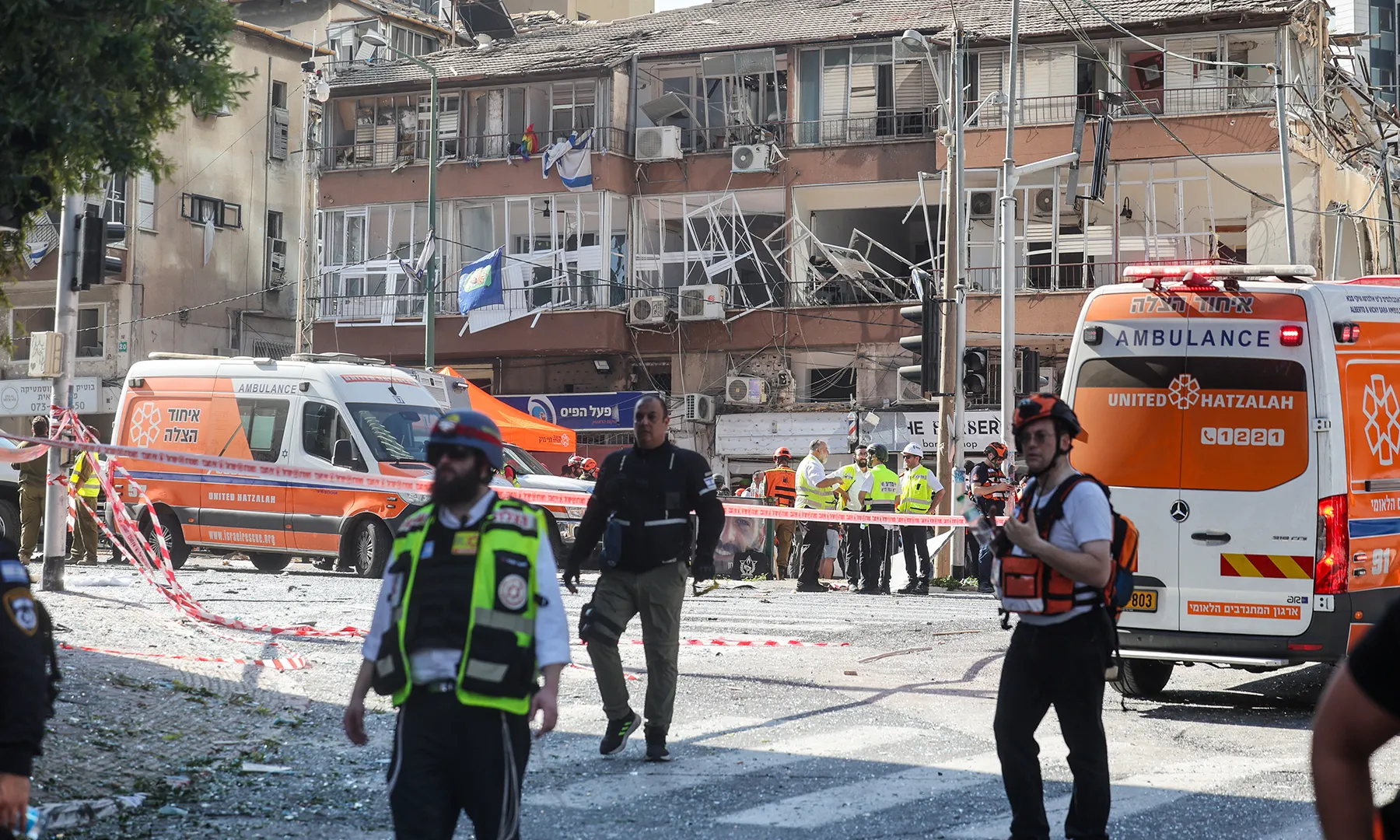
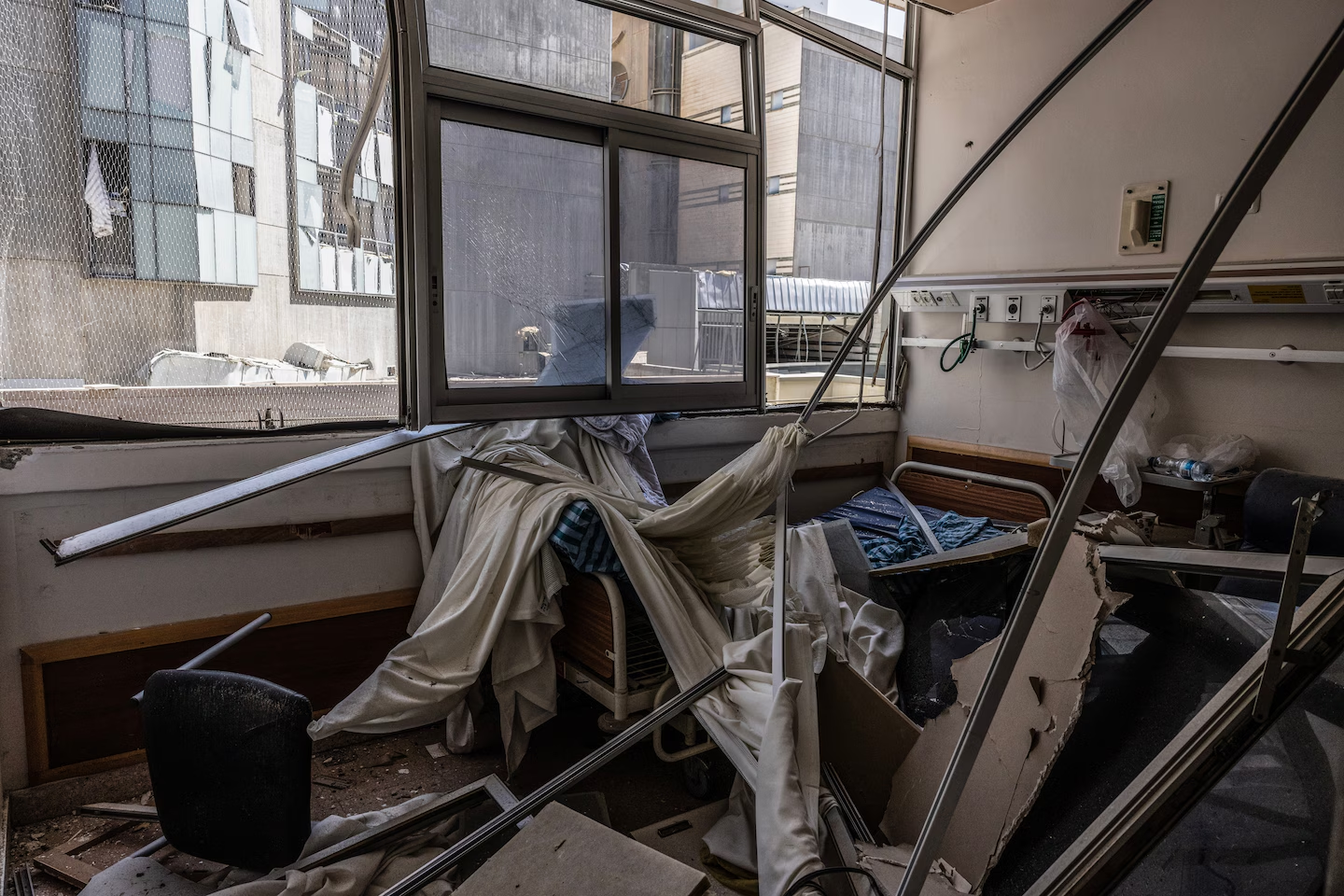
To cloak itself as a victim-state, Israel’s strategy against Iran deploys emotionally charged visuals to secure international sympathy and justify its reprisals. Media coverage highlighted the damage to “civilian infrastructure”—shattered glass, hospital beds—to cast Israel as a casualty of Iranian aggression.
After an Iranian missile struck Soroka Hospital in Be’er Sheva, Israeli media elevated the incident, adding an ethical veneer to its military rationale and recasting Iranian bombardment as a “war crime.” Prime Minister Benjamin Netanyahu, visiting the hospital, stated: “We hit nuclear targets, they hit hospitals.”
National Security Minister Itamar Ben-Gvir echoed this tone, calling the strike on Iran “Israel’s fairest campaign ever,” insisting that “if Tehran had a nuclear weapon, they would have used it on the children in Soroka.”
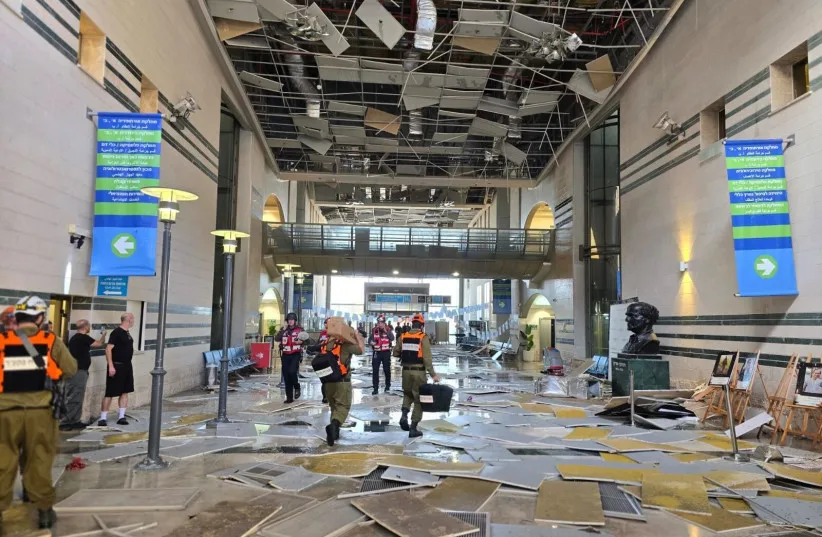
These very leaders remain culpable for the ongoing genocide in Gaza—destroying most hospitals above the heads of patients and medical staff after months of siege and deliberate starvation.
Israel also depicted the bombing of the Weizmann Institute of Science as an “assault on science and humanity,” lamenting the loss of research benefiting all mankind. But this portrayal obscures the institute’s key military role—supporting Israeli intelligence with drone technologies, weapon systems, and precision-tracking tools used in Gaza.
Military Censorship: A Tool to Engineer Narratives
Israel’s military censorship is a favored instrument to craft misleading narratives and distort facts. According to +972 magazine, the military censor in 2024 fully suppressed 1,635 articles and partially imposed restrictions on 6,265 more—meaning Israeli audiences typically receive only the official version, often stripped of inconvenient details.
Regarding Iranian strikes, Israel has selectively spotlighted the “humanitarian toll” while downplaying hits on sensitive military targets—masking its air-defense shortcomings with censorship of reporting on impact sites.
Military censor Kobi Mandelblit warned of action against individuals or media outlets that released details on Iranian strike locations without permission. Platforms were barred from posting drop sites, while social media users faced explicit warnings.
U.S. reports confirm that Iran struck Israel’s Defense Ministry complex (Kirya) in Tel Aviv; Israel’s army broadcast merely referred to nearby fires, even as Fox News reporters on Menachem Begin Street captured images of damage—later confiscated by police.
Iran’s news agency claimed the destruction of “Givʻeat Yam 4,” a major intelligence hub in Be’er Sheva’s Cyber Spark complex—nothing Israel has acknowledged.
Satellites also reveal Iranian missiles striking a training base belonging to military intelligence (AMAN) near Ramat Hasharon, close to Mossad’s headquarters—none of which Israeli censored media have reported. Al Jazeera’s “Synd” verified two explosions on the Rahav’am Zeevi (Gandhi) Bridge and two near the Big Fashion Glilot mall in Tel Aviv.
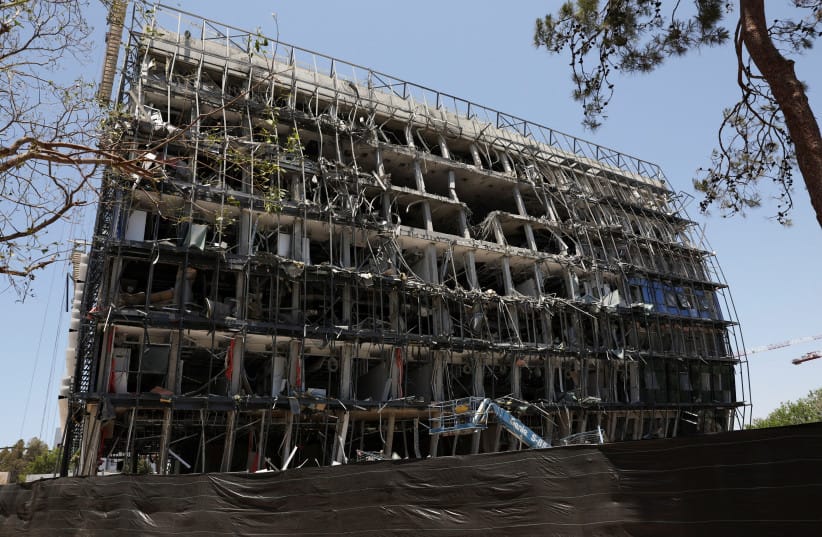
Briefly shared clips showed severe damage to an AMAN logistics facility, before disappearing entirely from Israeli platforms.
The Israeli government has not acknowledged any of these strikes, nor have censored outlets reported them. Meanwhile, authorities keep a tight grip on visuals of civilian casualties, using them to steer public narrative as events unfold.
Israeli police halted broadcasts by foreign media from areas hit on June 19 during the Soroka Hospital assault. Minister Ben-Gvir justified the clampdown, claiming that “showing exact missile impact spots endangers national security,” and those doing so will be treated as “state security threats.”
Western-Backed Victimhood Production
Since Iran began responding to Israeli strikes, Western media and governments have marched in lockstep with Israel’s messaging: “Rocket attack on civilians,” “Israel has a right to selfdefense,” with little context about Israel’s initial preemptive strikes.
This alignment is no coincidence; it reflects a long-held Western pattern of granting Israel a moral license to wage wars without scrutiny. Western media blame Iran and exonerate Israel when reporting on Iranian retaliation.
The Washington Post headlined: “Iranian rocket hits hospital, prompting Israel threats of retaliation,” while CBS News led with: “Israel vows to hold Iran’s leader accountable for war crimes after hospital hit”—showing images of children, women, and shattered glass, while ignoring the 600-plus Iranian casualties from Israeli strikes.
This media framing mirrors coverage of Gaza—Western outlets focused on rockets from the Strip, sidelining images of mass devastation in besieged Palestinian neighborhoods. They downplayed hospital and school massacres, instead repeating formulas like “Israel’s right to self-defense,” even amid genocidal operations claiming thousands of Palestinian civilian lives—most of them women and children, buried under starving, fire-ravaged rubble.
Western governments mirrored media discourse. The G7 statement reaffirmed “Israel’s right to defend itself,” labelled Iran as a source of regional instability, and pledged that Iran “must never acquire nuclear weapons.”
German Chancellor Friedrich Merz stated that Israel is “doing the dirty work on behalf of the entire West,” expressing gratitude for Israel’s actions against Iran.
In sum, Israel continues mastering the role of the “victim” on the global stage, leveraging humanitarian narrative and media control to create a false legitimacy for its repeated aggressions. As wars rage and lives are lost in the name of “defense,” real victims—from Gaza to Tehran—are silenced.
In the face of blatant Western bias and calculated media collusion, suffering populations pay the ultimate price in conflicts driven not by reality, but by deceptive narratives.


