





هذا التقرير متاح أيضًا بـ العربية
The cycle of crimes against the Palestinian people never ends. For more than seven decades, they have lived through an unending Nakba: expulsion, displacement, assassinations, summary executions and repeated arrests, carried out by Israeli military bodies trained with the latest weaponry to kill anything and anyone Palestinian, under a far-right government that legitimizes field executions under the claimed banner of “counterterrorism.”
In confronting an unarmed people armed with nothing but stones, the Israeli occupation has developed repression units targeting Palestinians, such as the Yamam unit. Its large, heavily armed military has not sufficed; it has gone further by creating auxiliary units for its operations of repression and assassination against the Palestinian people.
It has established military units that usually fall under the main military bodies of the occupation state — the army, Border Police, police, intelligence services (Shin Bet) — and allocates them large budgets, encouraging hundreds to join them.
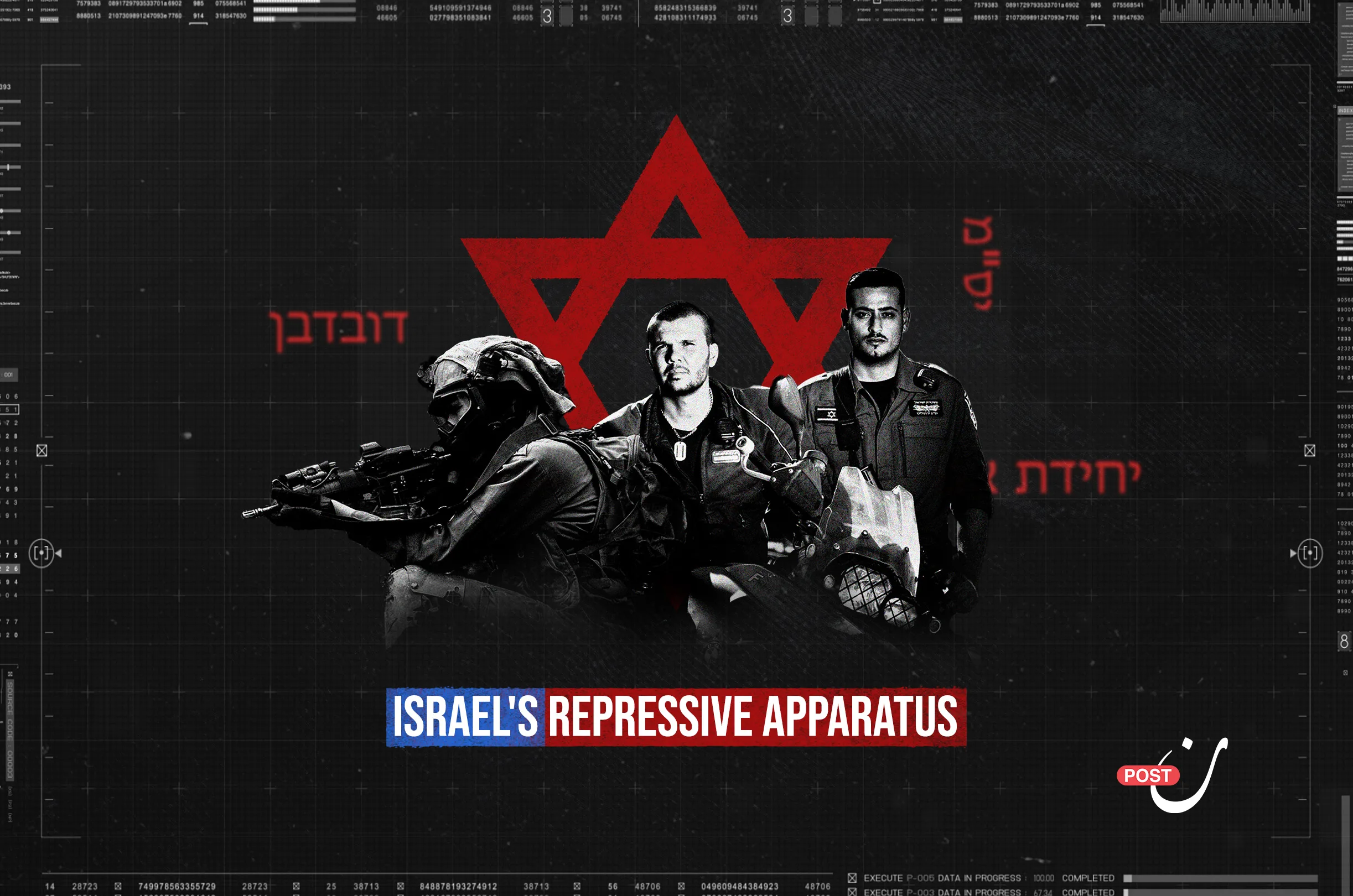
Field executions have increased in recent months in the northern West Bank, and it has become common to hear in news bulletins that a group from the occupation army, accompanied by special units, assassinated Palestinian youths and carried out summary killings. Among these units are Yamam, Sayeret Matkal, Duvdevan and others.
At Noon Post, we are dedicating a file on “Israel’s Repressive Apparatus” to discussing the assassination and repression units that accompany occupation forces and have come to dominate the scene with their brutality and savagery, as they are directly responsible for the killing of Palestinians. The opening piece in this file will focus on the most brutal of these units — also the oldest and one with a bloody past — the Yamam unit.
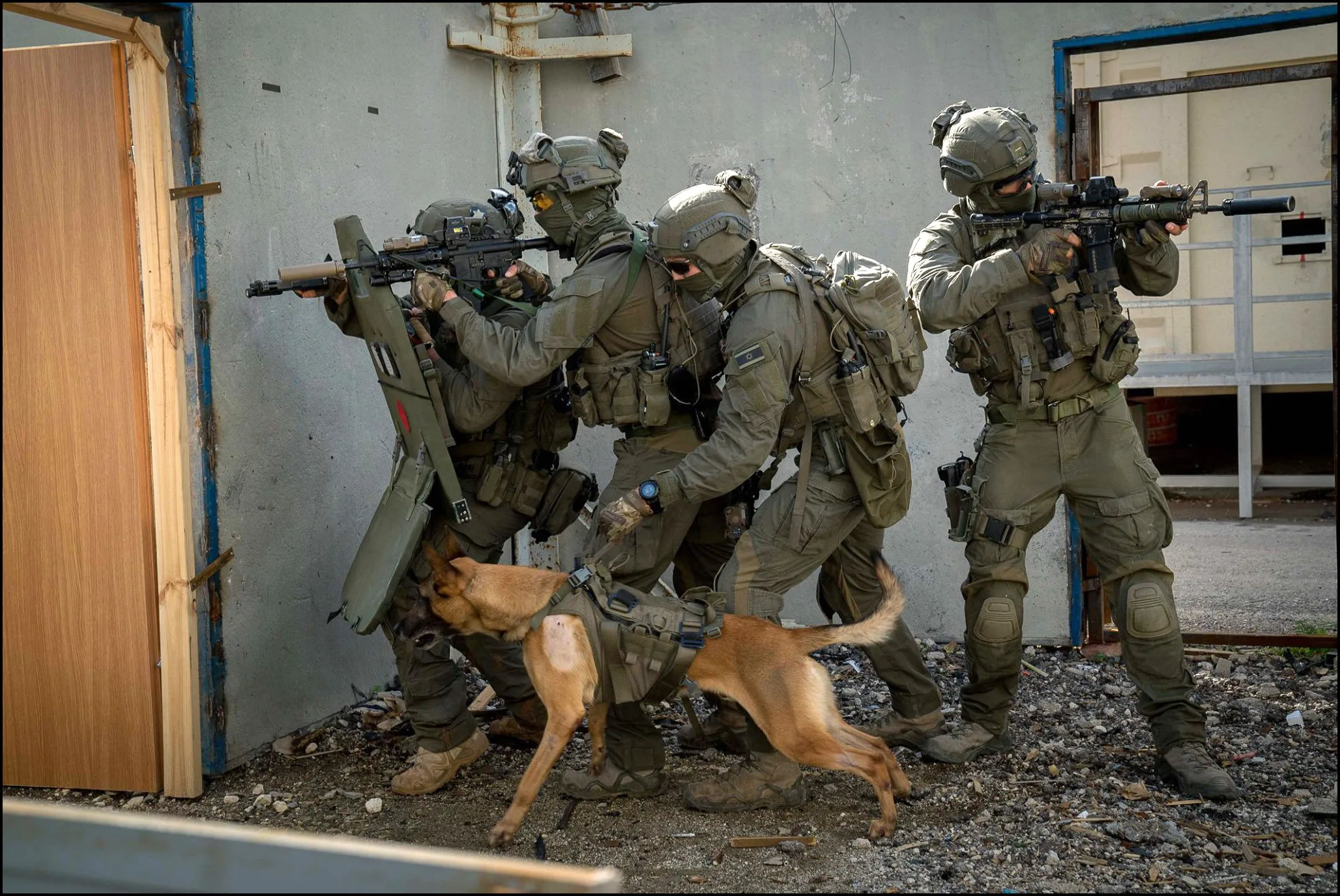
For decades, the Yamam unit has topped the list of Israeli military bodies, adopting the updated designation “the national operational counterterrorism unit” as a military tool with a disgraceful past and present against Palestinian resistance activity. So what is the Yamam unit? How does it operate? What is its policy in dealing with Palestinian resistance fighters? And how have resistance fighters managed to deal painful blows to the unit and its commanders?
In recent months, the Yamam unit has carried out several assassination and liquidation operations against Palestinian youths and activists, including Ibrahim al-Nabulsi, who was killed on the morning of Tuesday, Aug. 9, alongside two of his companions, Islam Sabouh and the boy Hussein Jamal Taha, after hours of armed clashes with the Israeli special force from the Yamam unit in the Old City of Nablus.
What is the Yamam unit?
The Yamam unit is officially considered the “national counterterrorism unit.” Although Yamam resembles units affiliated with the occupation army in its organization and capabilities, it operates within the framework of the Israeli occupation police to carry out special operations such as rescue missions, targeted assassinations, pursuing and capturing resistance fighters, and other special missions. In terms of capabilities and training, it is comparable to the special operations unit under the General Staff of the occupation army, Sayeret Matkal, which we will discuss in this series.
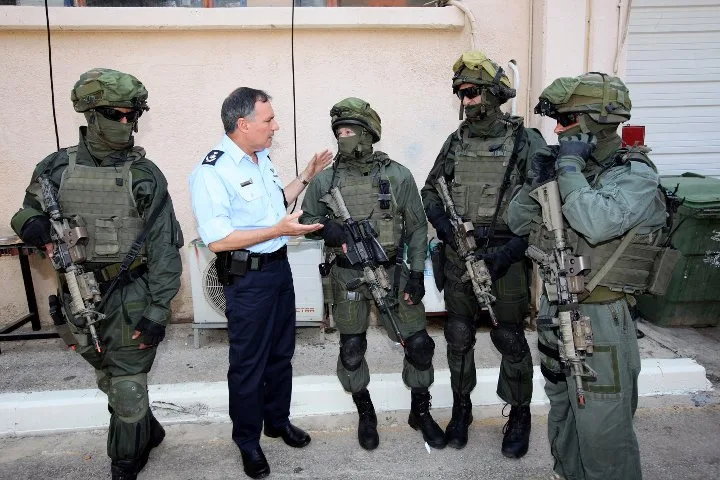
The Yamam unit is made up of veteran fighters who served in elite combat units of the occupation army and wish to continue their “career” within the police force. The basic requirement for joining the unit is at least three years of experience serving as a combat soldier.
Why the Yamam unit was established
The Yamam unit was established in the 1970s in response to security incidents that “Israel” experienced internally, namely the Ma’alot operation, which resulted in the killing of 24 Israeli settlers in May 1974 and was carried out by the Democratic Front for the Liberation of Palestine; and externally, the Munich operation carried out by the Palestinian Black September group, affiliated with Fatah, which resulted in the killing of 11 Israeli settlers, the Israeli sports delegation at the Munich Olympics in September 1972.
As a result of these events, which threatened the occupation’s projects and were classified within the sphere of “terrorism,” a special security-military committee was formed to confront and examine operations and “hostile terrorist activities,” and to divide responsibilities between the army and police in order to confront such operations in the future and curb them, in cooperation with Israeli intelligence agencies represented by Shin Bet, Mossad and Aman.
Following the committee’s recommendations, the police took on the task assigned to it of confronting any act or activity classified as “terrorism,” specifically inside the Green Line. To that end, it formed a special police unit under then-Border Police commander Danny Hayim.
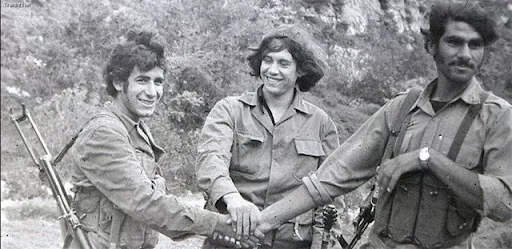
The unit was indeed established on Feb. 17, 1975, under the command of Yaakov Reuven Nimrod. At first, it was a special unit affiliated with the Border Police, stationed in two military barracks at Lod Airport — Ben Gurion — to deal with “security incidents.” Shortly afterward, its name was changed to its current one, “Yamam.”
A number of military and security figures have held the post of commander of this unit. According to its official website, the names of the commanders and their terms are listed as follows: Reuven Yaakov Nimrod (1974-1975), Maoud Halevi (1975-1976), Assaf Hefetz (1976-1980), Shmuel Tzuker (1980-1981), Gabriel Cohen (1981-1984), Nir Tzafrir (1984-1987), Alik Ron (1987-1991), David Tzur (1992-1995), David Ben Shimol (1995-1999), Haggai Peleg (1999-2001), Zohar Dvir (2001-2007), Yoram Halevi (2007-2009), Boaz Hershkovitz (2009-2012), and finally its current chief, who is referred to by the symbol “H.”
Operations involving the Yamam unit between 1978 and 2000
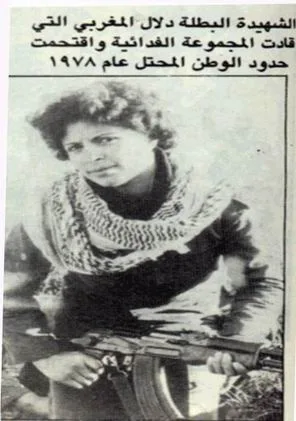
Since its early years, the Yamam unit took part in confronting Palestinian resistance fighters who carried out the Coastal Road operation in 1978, in which Dalal Mughrabi was among the most prominent participants. There was extensive coordination between the army and Yamam.
Following its participation in the Coastal Road operation, the Yamam unit gained the confidence of Israeli security and military levels, becoming a full partner to the army in carrying out “serious security” missions inside the Green Line and even in the West Bank and Gaza Strip. Its main headquarters became in Mishmar Ayalon.
It later took part in the first Palestinian intifada in 1987, the Stone Intifada, as a special unit carrying out operations that Israel classifies as “focused and precise” namely assassinations of Palestinian figures and activists through raising the level of coordination between the unit and Shin Bet, which is responsible from an intelligence standpoint for the Palestinian territories occupied since 1967.
In March 1988, the Yamam unit, along with other police, army and Israeli special forces units, was tasked with eliminating the perpetrators of the Dimona operation, in which three Palestinian fedayeen hijacked a bus carrying workers to the Dimona nuclear reactor researchers at
the reactor’s nuclear research complex blocked their route and prevented them from reaching the reactor, while also rescuing the Israelis. The operation gave the unit greater confidence and weight within military and security leadership circles, especially as its ability to deal with
such events was growing.
From the intifada years to the present
Since the outbreak of the second intifada, the Yamam unit’s main work has centered on carrying out assassination and liquidation operations against activists and field military and organizational leaders of Palestinian factions across all Palestinian governorates. It has carried out hundreds of “focused” and “precise” operations in which it killed hundreds of Palestinians whom Israeli security agencies classified as a “real threat.”
Among these assassinations was the killing of Dr. Thabet Thabet, one of Fatah’s leaders, in 2000. In 2002, this unit, together with members of Shin Bet and the army, killed five leaders and fighters from the Qassam Brigades after besieging the house in the West Bank where they had barricaded themselves.
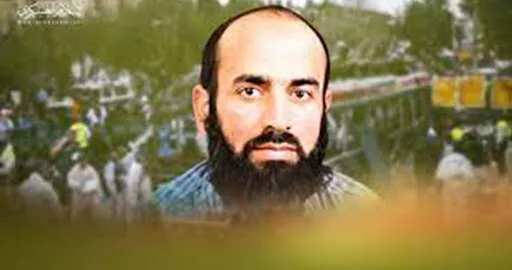
It also killed commander Abdullah al-Qawasmeh, the Qassam Brigades official in Hebron, who oversaw the execution of many high-profile operations against Israeli targets that resulted in the killing of more than 63 Israeli settlers and the wounding of more than 235.
The unit’s activity increased significantly, especially in tracking down and killing perpetrators of lone-wolf operations over the past decade, specifically since 2014, as well as accompanying army units in nighttime raids on Palestinian camps, villages and cities. The unit killed Ashraf Naalwa and Saleh Omar al-Barghouti, each of whom separately carried out a high-profile operation against the occupation in 2018 the Barkan and “Ofra” operations.
The unit’s role also stood out prominently during the recent incursions into West Bank areas, which left dozens of Palestinians who were directly liquidated, including the recent assassinations in Jenin camp and those in the Old City of Nablus, involving field commanders from “The Lions’ Den”.
The unit also took part last year in the search operations for the six Gilboa prison escapees under the category of “high-risk arrests,” one of the tasks assigned to the unit. By contrast, dozens of the unit’s members have been killed during operations it has carried out from its founding to the present.
Statements by political leaders about the Yamam unit
In January 2019, Netanyahu clearly declared that the Yamam unit is Israel’s central unit in “fighting terrorism.” Suddenly, in the eyes of the Israeli media, the unit became the best special unit in the world. Bennett said the aim of this step was to make Yamam the best counterterrorism unit in the world, adding that he would soon present the decision to the security and political cabinet for approval.
Meanwhile, outgoing Public Security Minister Omer Barlev said the unit’s fighters save the lives of dozens, even hundreds, of Israeli citizens every year, sometimes without those people even knowing they were in danger. For his part, Police Commissioner Gen. Yaakov Shabtai praised police personnel as always being on the front line against terrorist organizations, especially in East Jerusalem, where these organizations are active.
In recent days, the pace of assassinations and field executions against Palestinian youths and activists has increased sharply, particularly in the northern West Bank. Alongside other military and security bodies namely the occupation army, police and Border Police and in parallel with the presence of a far-right government, the Yamam unit has played a role in confronting and eliminating Palestinian resistance activity, as the popular wave has expanded toward “The Lions’ Den,” whose attacks have deeply unsettled Israeli security and political decision-making circles.