










هذا التقرير متاح أيضًا بـ العربية
Israeli affairs researcher Hunaida Ghanim describes Israeli society as necessarily nationalist, Zionist and colonialist, arguing that it cannot be otherwise. She bases this classification on the essential structure of Judaism, built on a trinity found in no other religion: the people, God and the land, with land present as a fundamental pillar of belonging to the faith and as a party to a theological covenant.
According to her, religious language turns “the land” into a divine promise, giving the colonial settler occupation a cloak of legitimacy that makes it part of a national movement and a politicized application of Judaism, in which the religion’s basic form fades away and Jewish Zionism becomes the foundation among the public, in government and in the ranks of the army alike.
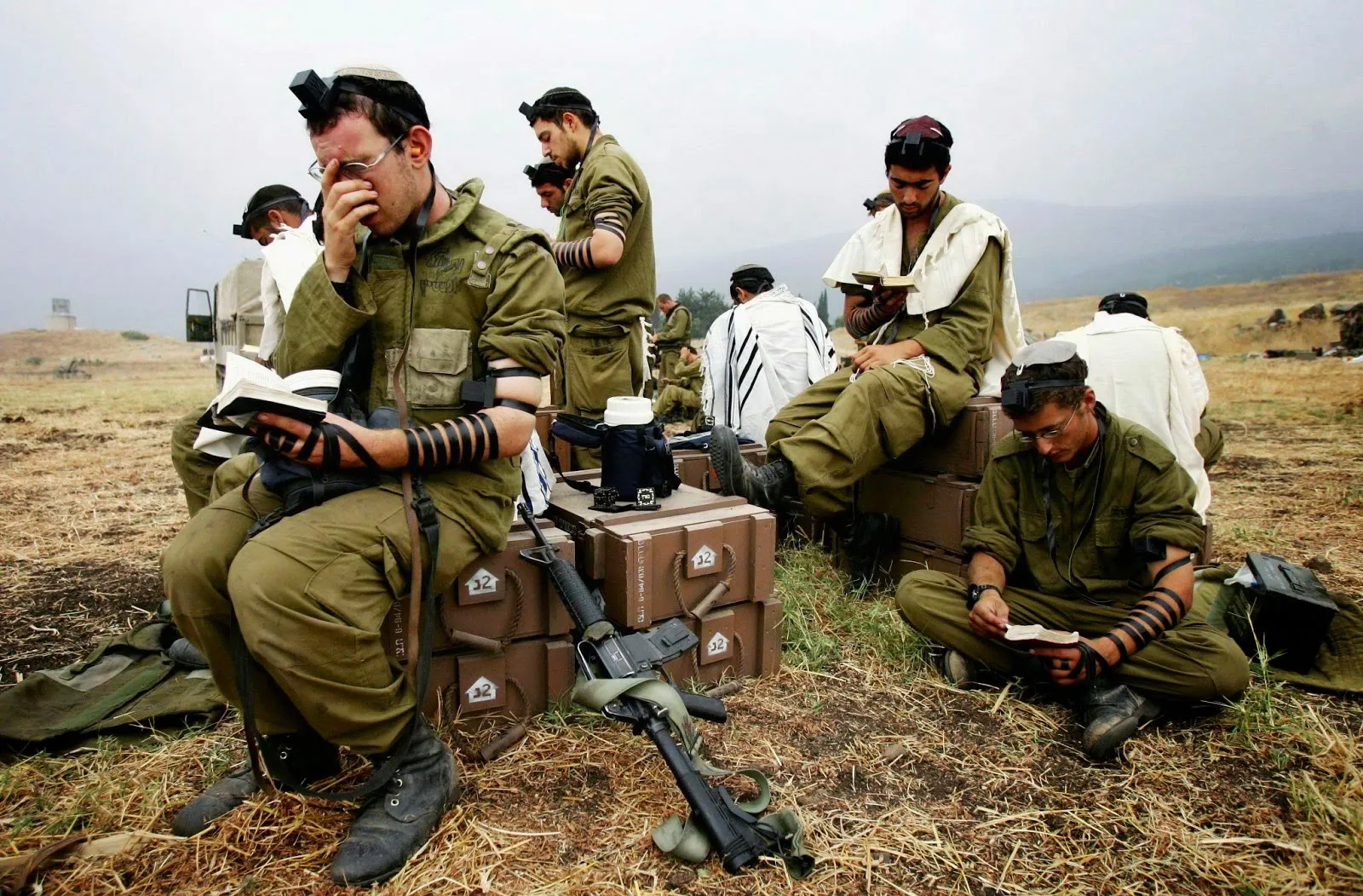
There, where religion’s presence has grown over the past decade, it has moved beyond the realm of ritual practice and into the structure of combat consciousness and field doctrine, concluding a long historical trajectory of conflict between secularism and religiosity that predated the declaration of “Israel” as a state on Palestinian land and evolved through its wars and normalization agreements, until it became embedded in religious Zionist currents now expanding within various combat units and officer training institutions.
This article therefore traces how religiosity and the ideology of the military rabbinate moved from being merely a “religious service” to becoming a guide and compass for the doctrine, consciousness, discourse and aims of war, ultimately turning into a priesthood of war and its religious and combat authority.
In this way, the ammunition of war is baptized in this ideology before being aimed at Palestinians and their Arab surroundings, granting the course of war its blessing and conferring on it “moral legitimacy” and “purity of arms” that transcend ethical, humanitarian and legal violations, turning erasure and cleansing into a “holy war.”
Religion, land and the army: the first roots of religious Zionism
Ben-Gurion and the religious camp: the deal that changed the occupation army
On Feb. 24, 1921, a group of rabbis met in Jerusalem under the umbrella of the British Mandate government to elect the Rabbinical Council of Palestine and declare Abraham Isaac Kook rabbi of the Ashkenazim and Yaakov Meir rabbi of the Sephardim. Under this meeting’s outcome, rabbinical authority was transferred from Istanbul to Palestine, making it the sole religious reference for Jewish legitimacy.
During the early years of the Chief Rabbinate, both Kook and Meir were active in serving the Zionist project, despite not being fully satisfied with it because of its “marginalization of the holiness of God and His great name.” While Kook traveled to Western Europe and the United States to raise funding for Jewish religious schools in Palestine, he founded the Harav Center, the first Jewish religious school, the nucleus of religious Zionism, and the settler organization Gush Emunim, along with the other settler groups and organizations that branched off from it.
Meir, meanwhile, was active in guiding Jews from Eastern Europe, Central Asia and Arab countries such as Tunisia, Algeria and Morocco, encouraging them to immigrate to Palestine. He also established Jewish neighborhoods in the heart of Jerusalem, institutions to revive the Hebrew language, and maintained his relations with Arab sultans.
Although Kook and Meir died before the Zionist project was completed with the establishment of the state of “Israel,” their approach of opposing this project continued through their groups and successors. The relationship between the rabbinate and Zionist military organizations such as the Haganah and the Palmach remained cold because those organizations relied primarily on a secular nationalist dimension, despite areas of overlap over each side’s ultimate goal: what the rabbinate called “national redemption,” Zionism defined as a “national project.”
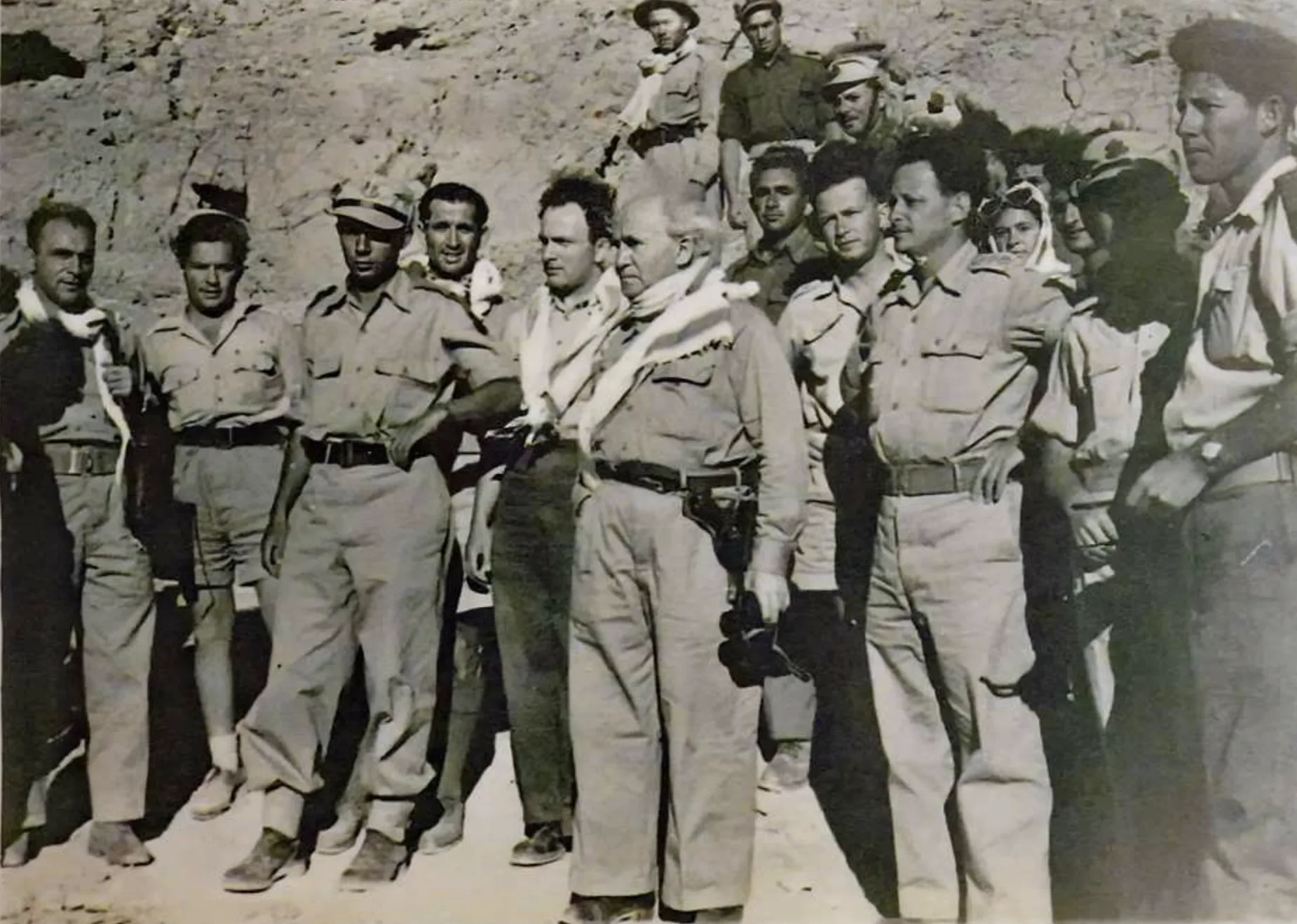
The fundamental shift came at the hands of David Ben-Gurion, “Israel’s” first prime minister, who found himself driven to restructure and unify society and create internal Jewish legitimacy with the army as its backbone, alongside integrating the religious into it. The spark began shortly after the war, when a government crisis erupted after two religious conscripts working as army cooks refused to cook on Saturday, just before their unit was due to leave for battle.
The two conscripts were then brought before a military court and sentenced to prison, prompting the then-minister of religions, Rabbi Maimon, to resign from the provisional Israeli government.
In response, a ministerial committee for the affairs of the religious soldier was established, and religious ministers and members of the Chief Rabbinate recommended gathering religious soldiers serving in the various branches of the Israeli occupation army into separate religious units, so as to spare them difficult tests and situations, on the grounds that the Israeli occupation army was largely secular.
Shlomo Goren and the rise of the “warrior rabbi”
But the proposal faced fierce opposition from Rabbi Shlomo Goren, who did not want to create a “ghetto” for religious soldiers inside the army and believed such an arrangement would lead to abandoning the enactment of religious laws. Ben-Gurion backed him, as his compass was set on unifying the army and the public, paving the way for religious legislation. He later issued an order unifying all Zionist armed militias under the banner of the “Israel Defense Forces.”
He then moved to a political and strategic settlement known as the “status quo agreement,” aimed at integrating religious Jews — most of whom came from Arab countries and Eastern Europe — into the state and the army. It granted them powers related to the judiciary, personal status matters, the regulation of rituals and funerals, and the issuing of kosher food certifications. It also made observance of the Sabbath an accepted doctrine in official institutions, exempted religious school students from conscription, and provided those schools with substantial government aid and support.
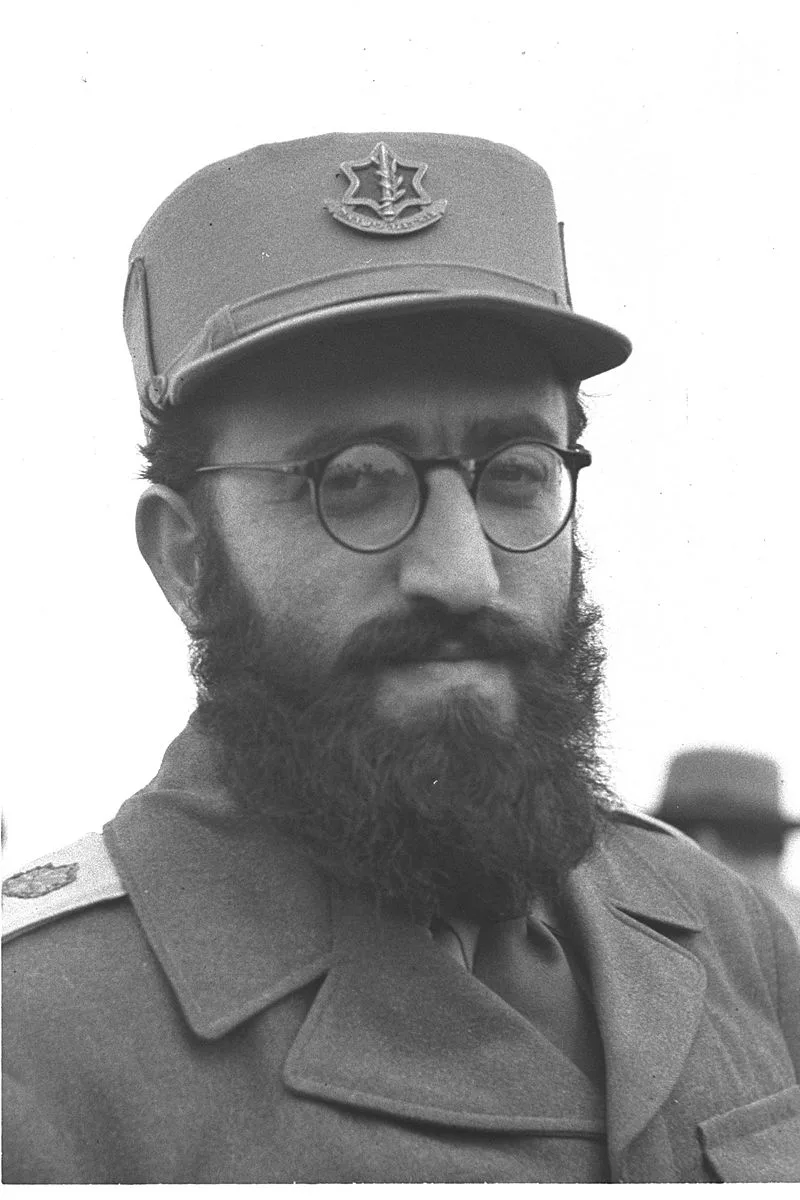
Thus the “military rabbinate” was born as one of Israel’s official arms, with an apparent mission of providing religious services to Jewish soldiers, ensuring kosher food, holding prayers, supervising the burial of the dead according to Jewish rites, and organizing religious celebrations in the barracks. Its other mission, however, was to link military service to national duty, move beyond the legacy of Kook and Meir and their position from the Zionist project, and the idea of waiting for the messiah before the establishment of the state.
As soon as the military rabbinate became a permanent unit within the army, a major obstacle to unifying the Zionist military organizations and militias into a single army was removed, one in which secularism and religiosity would operate side by side to reinforce expansion and settlement. In reality, however, this was not the first time Jewish soldiers had experienced a military rabbinate or institutional religious services.
That had begun with the Jewish Legion in the British army during World War I, the first Jewish military unit organized more than 1,800 years after the fall of the Kingdom of Judah, and then the Jewish Brigade in World War II, both of which had a military rabbinate to provide religious services and support to Jewish soldiers serving in military units.
Thus, drawing on the Torah’s description of priests who strengthen the people in wartime, the first military rabbinate in the regular Israeli occupation army was entrusted to Shlomo Goren, the Polish Jew who immigrated early to Palestine and was ordained in the Talmudic rabbinate at age 17 after publishing his book “The Ritual Sacrifices in the Former Temple,” before changing his name from “Gorontchik” to “Shlomo Goren.”
Notably, Shlomo Goren was at the time a combat soldier in the Haganah before completing paratrooper training during the 1948 war, making him a model of the desired blend of military zeal and religious identity — the very idea he sought to entrench in the structure of the Israeli occupation army throughout his service.
According to a study titled “The Military Rabbi in the Israel Defense Forces: Between the ‘Priest Anointed for War’ and the ‘Provider of Religious Services,’” by researcher Aharon (Roni) Kampinski, Goren did not confine himself to the traditional duties of the military rabbi. Rather, he sought to give the role a deeper spiritual and psychological dimension by issuing “halachic rulings,” exerting spiritual influence through his moral character, loyalty to every soldier, wisdom, and ability to boost the morale of those heading into battle and comfort the wounded.
He also laid the foundations for how the military rabbinate would operate, from requiring its officers to wear military uniforms, perform military service, and understand the needs of their units and the basics of their work, to issuing religious rulings, resolving issues arising from clashes between secularism and religiosity, and boosting conscripts’ morale.
How did the rabbis’ influence expand inside the army?
Jerusalem and the Temple: the moment the army became more religious
Despite the various wars “Israel” fought during that period, the military rabbinate maintained general service and ideological roles, such as securing kosher food for all soldiers, ensuring religious soldiers could practice their rituals, distributing religious books, and delivering lectures to soldiers, until the watershed moment in the history of religious Zionism in general, and the military rabbinate in particular, arrived with the occupation of the West Bank and Jerusalem in 1967.
The importance of that moment lies in these areas’ historical depth within Zionist thought and their connection to the kingdoms of Judah and Samaria, the building of the Temple in the Al-Aqsa compound and its Judaization. Its clearest expression came in the appearance of Shlomo Goren in military uniform, after being promoted to the rank of general, carrying Torah scrolls and his Talmudic horn in the courtyard of the Dome of the Rock, where he performed the first Jewish prayer at the site.
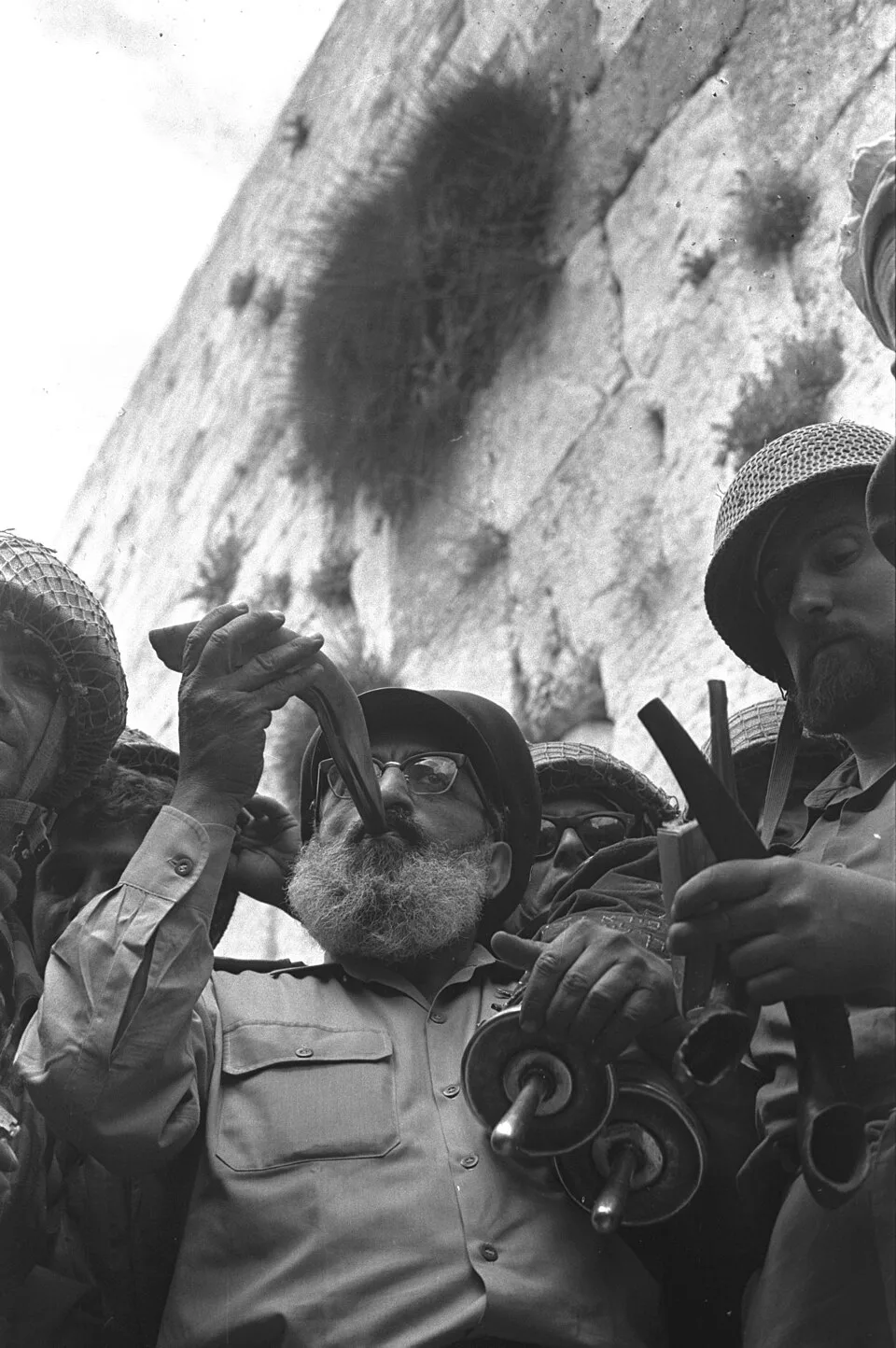
Much like the image of Moshe Dayan at the moment he stormed the Jerusalem sanctuary, the image of Goren as the “warrior rabbi” became a national religious symbol in the Israeli collective consciousness, especially after he broadcast a recorded speech on army radio calling for the establishment of the Third Temple atop the Mount of Olives in Jerusalem, saying: “We certainly should have blown up the Dome of the Rock and Al-Aqsa Mosque. It is a tragedy that we did not do so.” He then led the first Jewish prayer session at the Buraq Wall since 1948, surrounded by Israeli soldiers.
He also led Jewish groups in prayer inside the Al-Aqsa compound, defying Muslim guards, then issued a fatwa contrary to the position of the Agudot, stating that Jews were obligated to pray inside the compound, specifically in the area of the Noble Rock, which he described as the “Holy of Holies,” saying: “Jews are not merely permitted, they are commanded to ascend and pray on the Mount, for it is the holiest site in Judaism.”
Goren retired in 1971 from the post of chief military rabbi of the Israeli army, then was appointed chief rabbi of Tel Aviv-Jaffa, before later becoming “Israel’s” Ashkenazi chief rabbi from 1973 to 1983, prior to his death in 1994. Thus the first era of the military rabbinate ended with the image of Goren surrounded by soldiers, blowing his horn before the Buraq Wall, or carrying Torah scrolls in the courtyard of the Dome of the Rock — an image that remains, to this day, part of the military rabbinate’s mission and its relationship with Israeli society.
That extends beyond the image of Shlomo Goren alone to his positions, which remained influential in Israel’s religious and military trajectory, from his Judaization of the Jerusalem sanctuary, the incorporation of the Buraq Wall into Jewish religious control, the demolition of the adjacent Moroccan Quarter, and the launch of a series of excavations beneath Al-Aqsa Mosque in 1983, to his rejection of any relations between the Vatican and “Israel,” his opposition to dismantling settlements as part of the “biblical Land of Israel,” his call to kill Yasser Arafat, and finally his series of prayers, “A prayer for the safety of IDF soldiers before they go into battle,” which still appears at the front of the military rabbinate’s official prayer book.
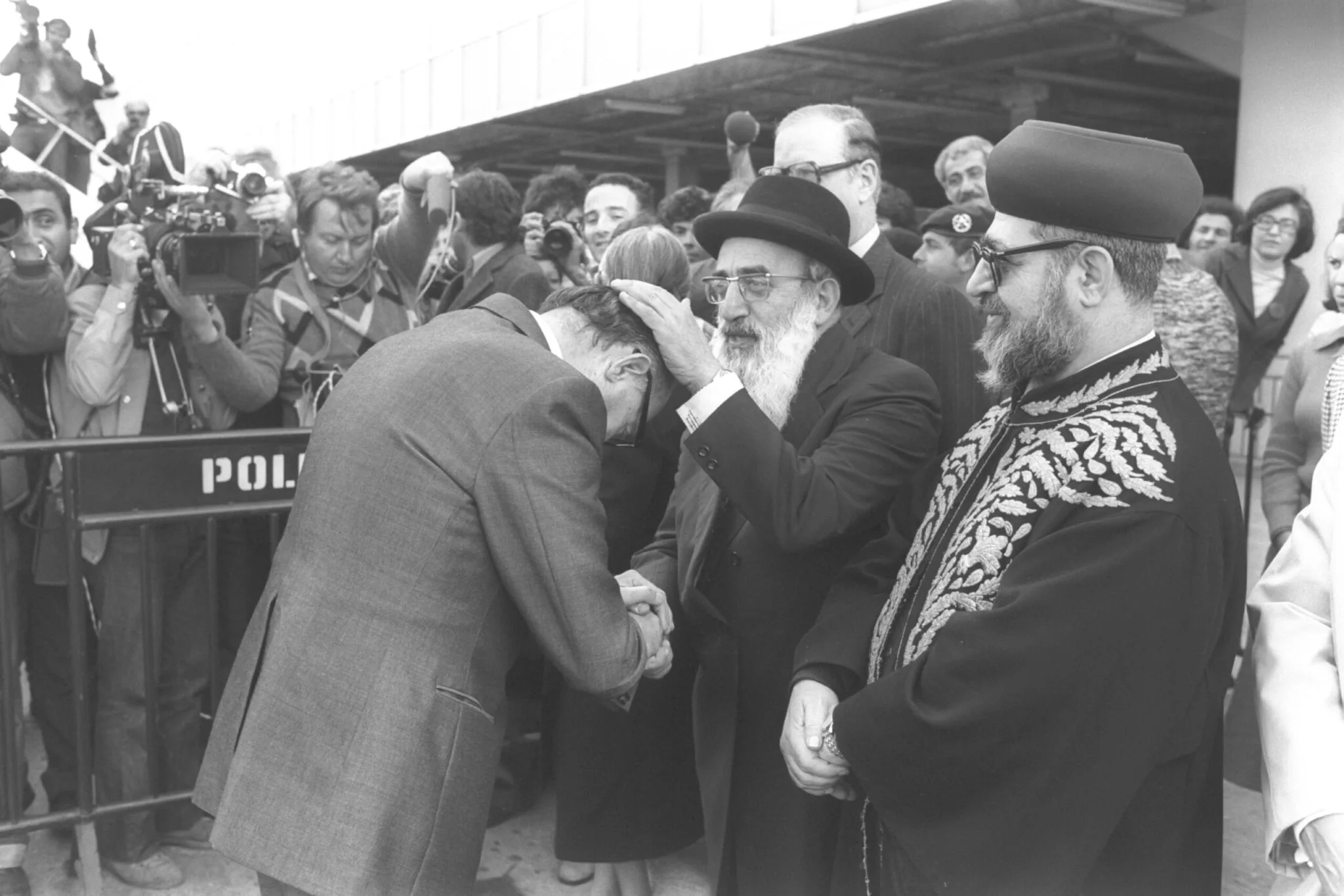
After 1971, the first military rabbis’ training courses were opened because of their small numbers. Under Goren, the other rabbis had been distributed across the General Staff, regional commands and major army corps, while officials responsible for religious affairs were spread through lower-level units.
After Goren retired as chief military rabbi, Mordechai Piron held the post from 1971 to 1977, followed by Gad Navon until 2000. In that era, a rabbi left office only through death or retirement, and his authority began with spiritual support before extending to psychological support, communication with all soldiers, and the renewal of Jewish diaspora traditions, making him something like a “traffic signal in the middle of the soldier’s road.”
In 2000, Chief Rabbi Gad Navon ended a 23-year term, after which Yisrael Weiss took over and began changing the shape of the Israeli occupation army amid a new discourse on the relationship between religion and secularism. In reality, this was the moment David Ben-Gurion had overlooked in his agreement with the religious camp, believing that the secularism of society and the democracy of Jewish immigrants from Western countries would swallow the religious side — until the fifth rabbi, Avichai Rontzki, seized the moment and gave Israeli wars their Talmudic legitimacy.
“A battle against Amalek”: the Torah as a discourse of war
Avichai Rontzki and the major turning point
At the beginning of 2006, Avichai Rontzki was appointed chief military rabbi, at an extremely sensitive moment in the struggle between religious Zionism and political secularism. His appointment came one year after the evacuation of Gaza settlements under the “disengagement” plan, which angered religious settler movements and pushed them to escalate and refuse participation in government and military activities linked to the evacuation and relocation of settlers.
Rontzki arrived at the moment preceding the 2006 Lebanon war, the Israeli wars on the Gaza Strip, and the decline of the peace process with the Palestinians, giving his discourse a special resonance among leaders of religious Zionism, especially since he was the founder and head of the “Yeshivat Itamar” settler organization in the settlement of Itamar in the West Bank and held a vision that saw the Israeli occupation army as an instrument with a religious and biblical function, not merely a security institution. His secular family background, and his ties to the Harav Center and the Meir Institute, also gave him greater ability to move between the two currents.
That began during the Lebanon war, when Rontzki met with US Army rabbi Yaakov Tzvi Goldstein to strengthen the role of the rabbi in both armies through a deeper immersion of prayers and invocations in wartime, all the way to participation in direct combat action and blessing its effects and violations as a deserved “Talmudic” victory.
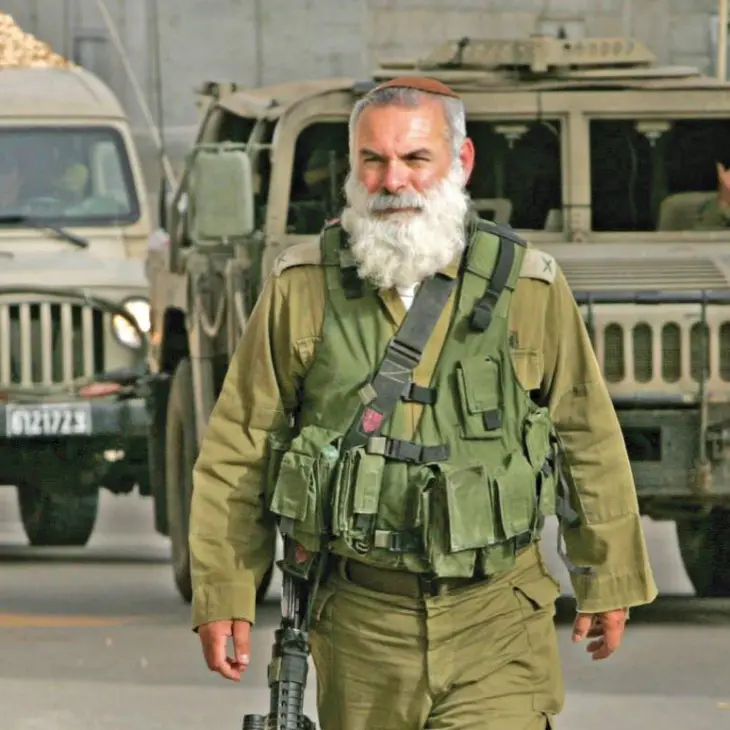
This was accompanied by his issuing new standards for the military rabbi’s mission, including combat experience and direct involvement in military activities such as patrols and training, along with restructuring the military rabbinate’s command and turning it into an organizational structure headed in each corps by a “chief of staff.” He also made military excellence the basis for promotion, not religious authority alone, set service at three years, and capped the military rabbi’s age at 45 so he would remain able to influence young soldiers.
It went so far as forcing army radio to stop broadcasting on Saturdays and imposing standardized compliance orders on various units on the grounds that the Sabbath is a holy day. Then came the Israeli war on the Gaza Strip (2008-2009), when the Israeli press reported Rabbi Avichai Rontzki stationed on the border of the Strip, distributing pamphlets to soldiers and warning them against “showing mercy to cruel enemies,” describing what they were doing as “a battle against Amalek” and a religious confrontation between the “people of Israel” and the “gentiles.”
This religious discourse stirred controversy within the army, long regarded as a secular institution, as some officers and secular elites accused him of trying to “religionize the army by stealth” and transform it from a national army into one with a religious messianic tendency. The press, meanwhile, seized on the scene as the culmination of a continuous process of the army’s gradual transformation from a secular military institution into a theocratic entity grounded in biblical texts and religious authority in shaping soldiers’ conduct on the ground and their awareness of their combat roles.
Rontzki’s impact also extended to Israeli researchers, who saw his practices as deepening polarization between the religious and the secular and as a takeover of functions traditionally performed by the army’s Education Corps rather than the military rabbinate, especially since his unit managed to distribute more than 10,000 MP3 files of religious lectures, while a joint force of rabbis was present in the field distributing a booklet titled “Jewish consciousness reinforces Cast Lead.”
For Yagil Levy, “the growing reliance on religious soldiers in combat units was useful, especially in the Gaza Strip, because they deal with loss better, based on the discourse of religious families at funerals, accepting their loss and not questioning the justification for the military operation that led to the death of their loved ones.” In his view, theological justifications for war are more effective than rational ones, though that benefit may not extend to other areas, such as the settlements of Hebron.

This influence grew in other ways as well, as clashes began between the army’s Education Corps and the military rabbinate because of rabbis’ interventions and their delivery of unauthorized lectures. Human rights organizations then filed lawsuits demanding Avichai Rontzki’s dismissal, but he remained in office with backing from the religious right until the end of 2010, when Ehud Barak announced that his service would not be extended beyond that.
Despite Rontzki’s resignation, his strategy succeeded in strengthening the military rabbinate in a short period because he did not treat it as merely a religious institution. Rather, he turned it into an institution of ideological and spiritual mobilization, extending from oversight of food and funerals to building fighting spirit and presenting combat as a national religious mission.
The settlements enter the barracks: the rise of the religious inside the army
This was also tied to the religious, partisan and social background from which he emerged and whose transformations he benefited from, following the major rise of religious Zionism within combat units and the growing enlistment of graduates of religious schools in the army, alongside the decline of the traditional secular Ashkenazi elite’s dominance. This shifted the center of influence inside the army toward national religious schools, settlements and their organizations in the West Bank.
That was coupled with his discourse, which moved the rabbinate from religious neutrality to nationalist settler immersion, turning every confrontation with Palestinians into an existential battle with a biblical dimension. This mobilization was useful to secularists, especially since the religious concentrated in infantry and paratrooper units, and it was also useful to the religious, who found a direct link between war and settlement.
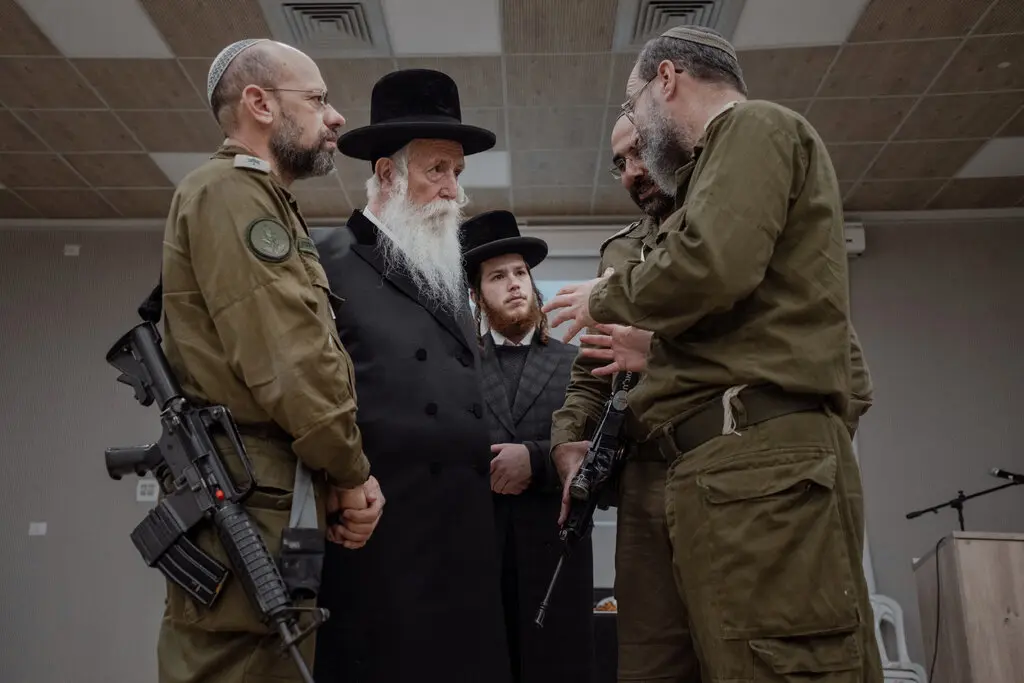
Thus, when Rontzki left office, the military rabbinical structure he had built had already become entrenched through the growing number of religious officers, the expansion of military religious schools, and the increasing presence of rabbis at the heart of battles and in soldiers’ consciousness.
The changes also included a marked rise in the number of religious soldiers and religious leaders inside field units, as well as a shift in their religious backgrounds, with many now holding certificates of religious study from Torah institutes. The proportion of religious women joining the army also increased, rising over five years from 935 to 2,159 female conscripts in 2015.
To contain these changes, the government turned to selecting rabbis less connected to settler organizations in the West Bank, such as Rafi Peretz, who remained in office until the end of 2016, then Eyal Karim, who stayed until 2021 despite the controversy stirred by his fatwas, including his justification of raping enemy women in wartime, his description of Palestinians as “animals,” and his positions on women’s service and gender mixing, all of which caused hesitation and objection in secular circles.
Even so, Rontzki’s structure and strategy of creating friction between the religious and the secular, and entrenching the idea of the “priest anointed for war,” remain present to this day.
It is important here to note that the religious, or Haredim, are not a single current but multiple currents. The one most engaged in the field and in politics, however, is religious Zionism, which found in this engagement a means to expand settlement and alter the nature of the army and the state — in contrast to other Haredi currents that reject conscription and see Torah study as taking precedence over military service.
Religious Zionism believes in “a divine commandment obligating men to serve in the Israel Defense Forces,” unlike the Haredim or ultra-Orthodox, even though both sides adhere to the same Jewish legal texts, cite and revere the same Talmudic scholars, and share the same theological structure regarding creation, history and the authority of halacha, or Jewish law, both in theory and in practice.
War as worship: how did religious discourse shape the battlefield?
Oct. 7: the moment the military rabbinate exploded
With the outbreak of the Oct. 7, 2023 operation, nearly 3,000 Haredi Jews volunteered for units of the Israeli occupation army, most of them belonging to ultra-Orthodox religious schools linked to the Shas and United Torah Judaism parties. That moment was the culmination of Avichai Rontzki’s efforts, which had created a military environment suitable for and encouraging to Haredim joining the army, while also marking a moment of convergence between religious Zionism and the ultra-Orthodox Haredim.
But that moment of convergence had appeared earlier, most notably with the 2009 publication by Rabbis Yitzhak Shapira and Yosef Elitzur of the book “The King’s Torah: Halachic Clarifications on Matters of Kingship and War,” which included a subtitle on “relations between Jews and non-Jews in matters of life and death” and advanced a conception that gives Jewish life priority over the “life of the gentile,” thereby allowing, by its logic, the killing of anyone who poses a danger to Jewish life even if they are not directly guilty.
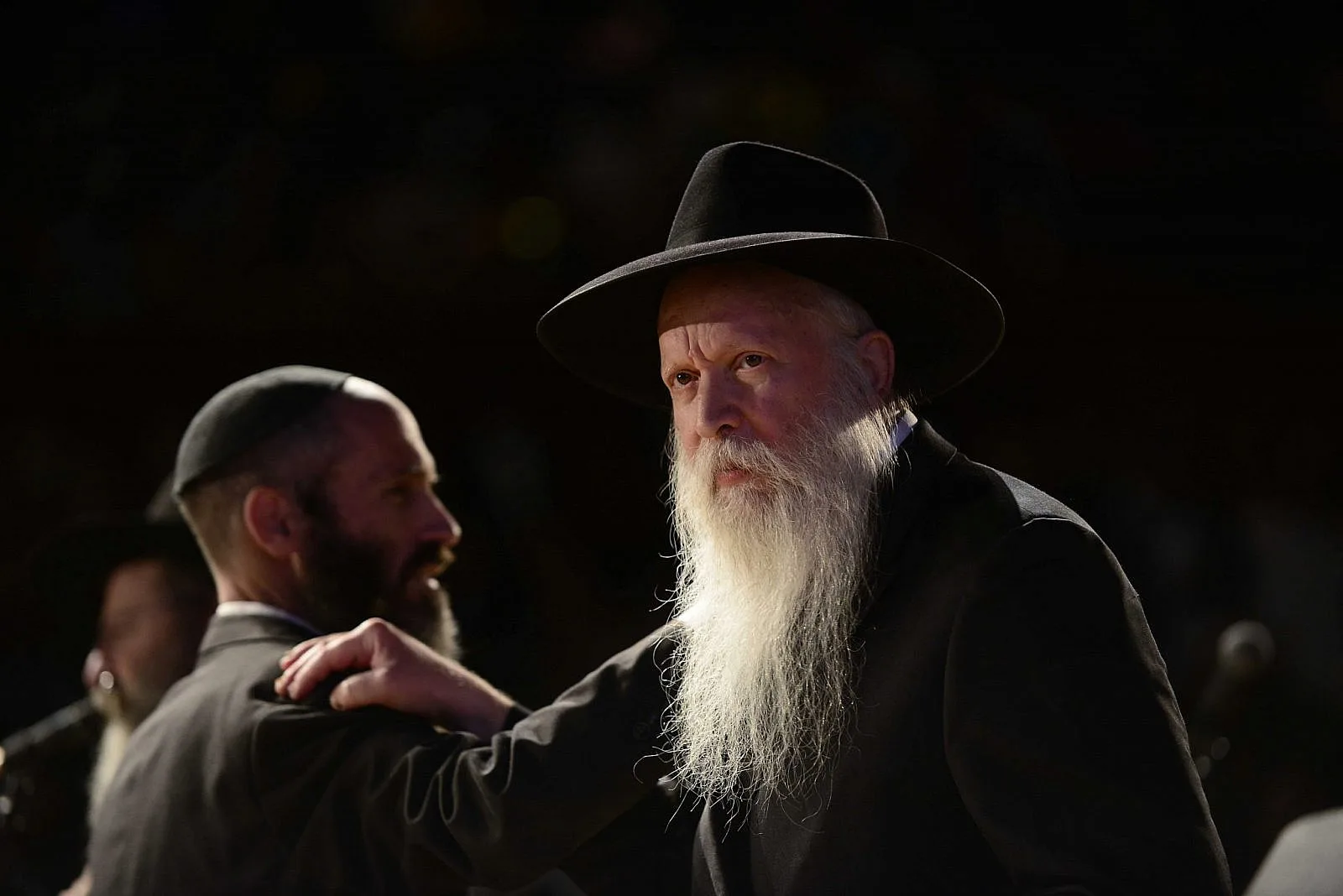
This extends to justifying strikes on hostile targets even if that leads to harm to civilians. The book cites as an example “bombing military targets of the enemy army, even if people live near those targets and may be harmed.” What gave the book even greater significance, however, was the endorsement it received from three rabbis belonging to hardline Haredi authorities: Yaakov Yosef, son of former Chief Rabbi Ovadia Yosef; Dov Lior, rabbi of the settlement of Kiryat Arba; and Yitzhak Ginsburgh.
This consensus angered secular circles within the state, which saw it as an opening for deepening international criticism of “Israel” and a reversal of the “purity of arms” principle adopted by the army in 1992, which states that a soldier does not use his weapon and force to harm noncombatants or prisoners except in self-defense — the principle on which “Israel” relies in describing its army as “the most moral in the world.”
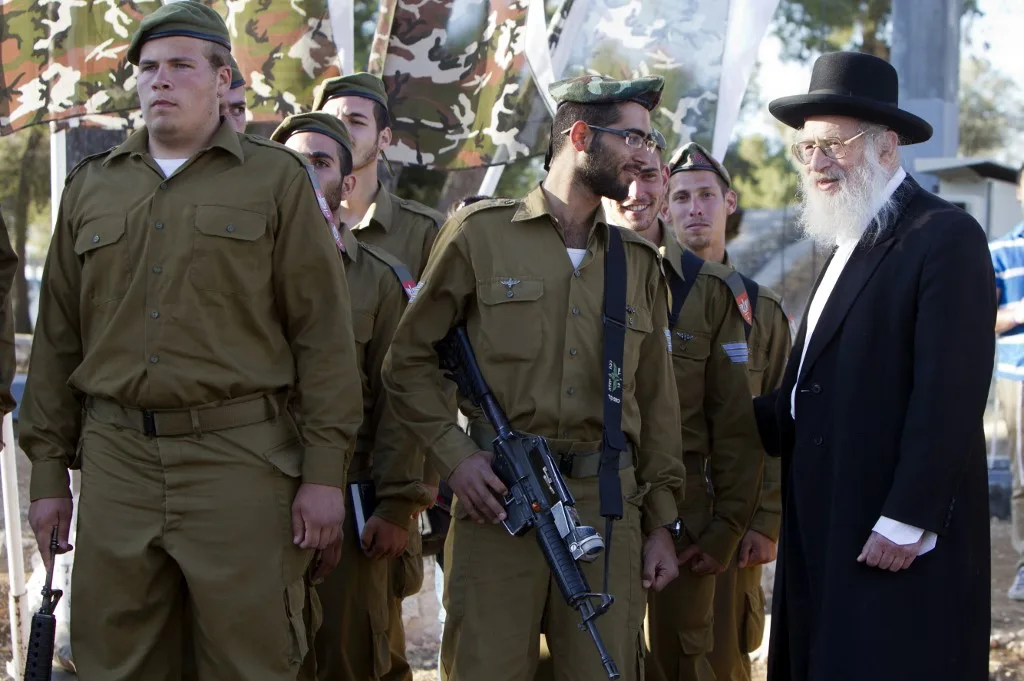
Thus, neither the military rabbinate nor religious Zionism needed Oct. 7 itself as much as they needed wars, expansion and annexation to increase their influence. This is confirmed by the religious schools’ arrangement that emerged in the late 1980s and became known as “Yeshivot Hesder,” under which religious soldiers perform military service in special units with “voluntary isolation,” allowing organizations such as Gush Emunim to form units based on West Bank settlers and giving the religious direct influence over the character of the army as a whole.
This produced a twofold deviation from the army’s secularism — or its “democracy,” in secular terms. The first direction was the breaking of the principle separating the soldier from his social environment, reshaping his identity from that of a “citizen-soldier” into a “religious citizen.” The second was the army’s insertion into the regime’s internal conflicts, even in the capacity of a police force.
Thus religious schools were able to keep the conscript in constant contact with his religious school during military service, producing a growing religiousization of the army and a fracturing of David Ben-Gurion’s principle, which rejected separating religious units from secular ones for fear of dual loyalty between the army and the parties and religious schools. The result was a network of party-linked religious schools for which special units were established, staffed by religious soldiers who were students of those schools and followers of their fatwas.
The Torah in Gaza: how soldiers’ conduct on the ground changed
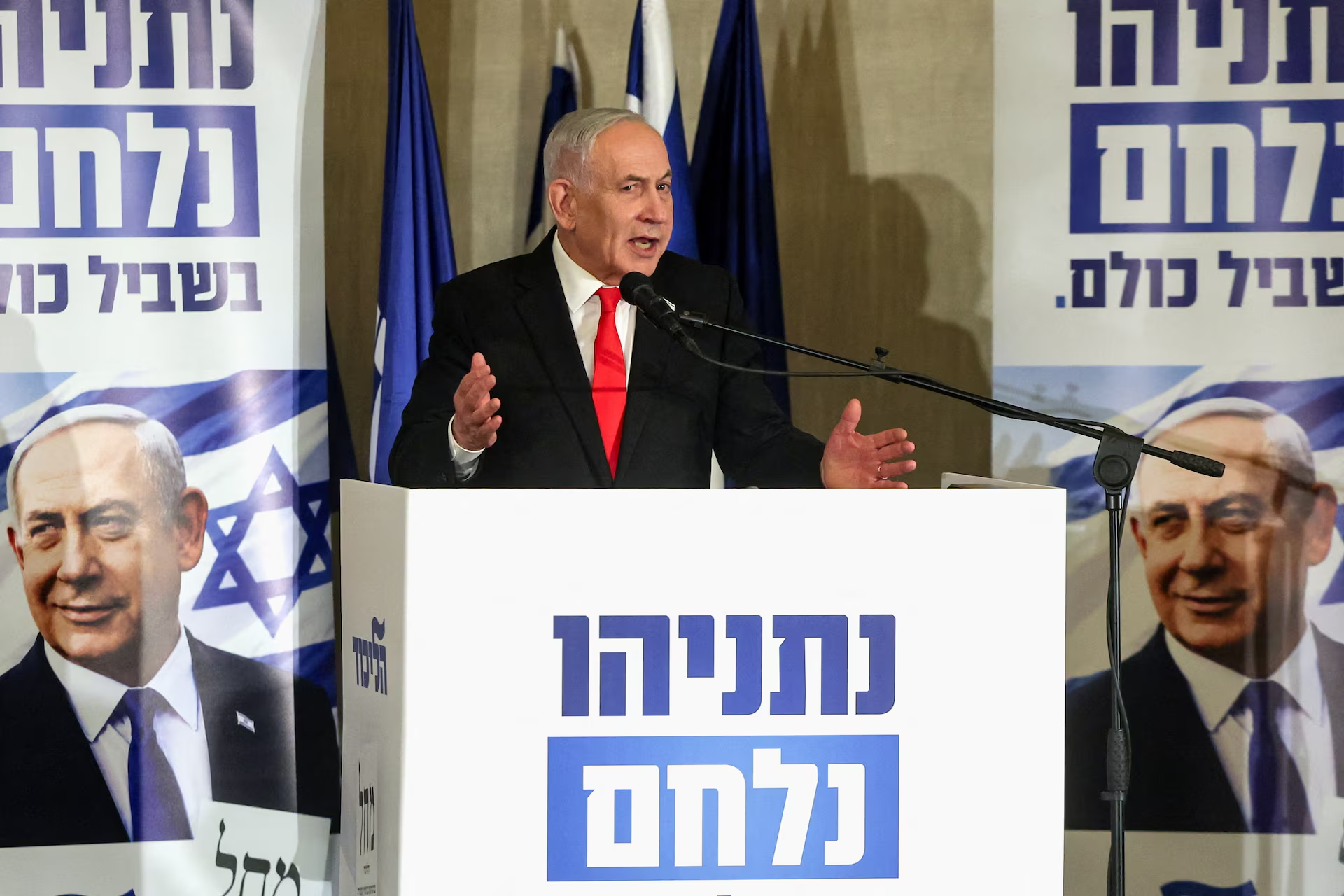
Then Oct. 7 came with an official political and religious discourse that pushed part of society toward distancing itself from religion and immersing itself in secularism, while another part was able to exploit the moment to justify its expansion, aided by Benjamin Netanyahu’s need to court religious parties to get through the crisis. Borrowing from their concepts and fatwas, he said on Oct. 28, 2023: “We have one supreme goal: to destroy the murderous enemy,” then added, quoting Deuteronomy: “Remember what Amalek did to you.”
This biblical phrase, framed as a divine command to wipe out the people of Amalek — the Palestinians, in Netanyahu’s description — to the last one, was not merely a rhetorical metaphor but a clear indication of a profound shift in the nature and discourse of the Israeli occupation army, such that the military rabbinate became its compass and primary engine.
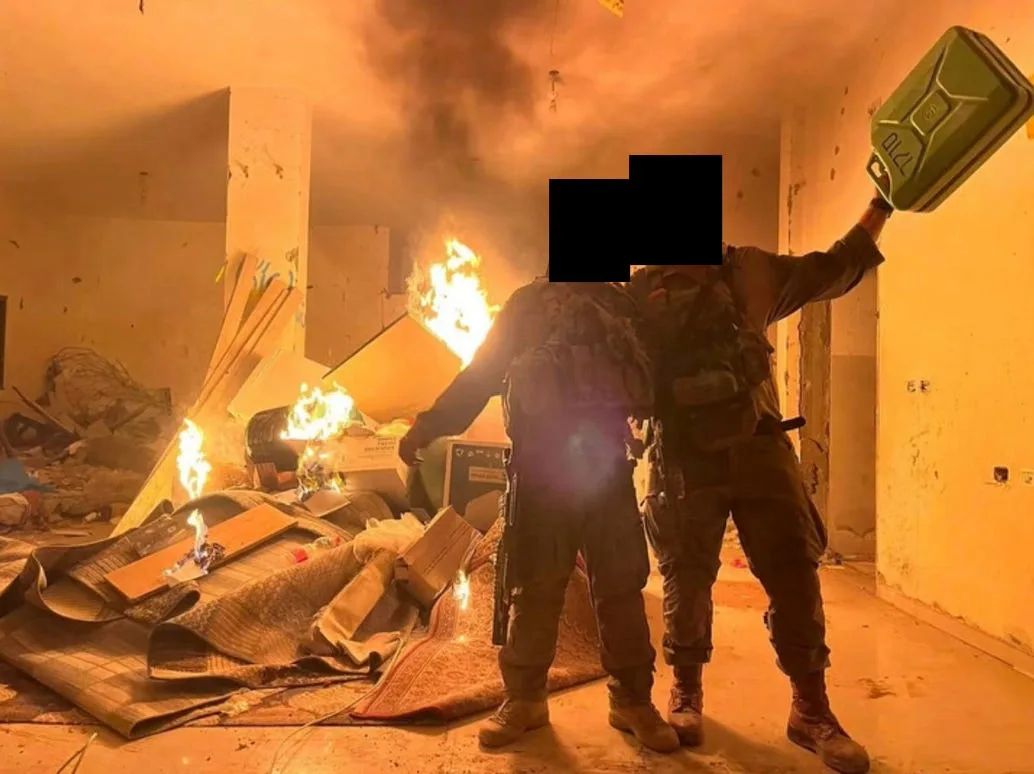
But this discourse did not come from Netanyahu alone. It was repeated by Knesset member Avihai Boaron, who invoked the commandment to erase Amalek in the context of the war on Gaza; by Itamar Ben-Gvir; by Amichai Eliyahu, who explicitly called for wiping out Gaza; by Bezalel Smotrich, who cited Torah texts to affirm the idea of “total holy war”; and even by Ariel Porat, a secular figure who took part in “democracy” protests against the judicial overhaul and used the description “Amalek” to justify the attack on Gaza.
On the ground, the scene appeared to confirm the idea of the “holy war against Amalek.” Alongside the rising number of religious recruits joining the army, a religious military discourse spread showing large groups of soldiers, in uniform and carrying weapons, dancing in Gaza and chanting verses from Deuteronomy about erasing Amalek, backed by the Anafim organization led by Rabbi Yigal Cohen.
Then in March 2024, Israel’s Channel 14 aired a report showing anchors, correspondents and soldiers reciting the “Megillat Purim” — the story of Esther and the defeat of Haman, descended from Amalek — against the backdrop of destruction in Gaza, under the slogan: “With God’s help, we will win together,” in a scene that suggested the Israeli official establishment was no longer able to control or contain it.
Statistical data indicated a demographic and ethnic change within the army over the past decade, especially in its upper ranks, meaning among officers. Religious students made up 30% of combat units in 2010, while six out of seven officers in the Golani Brigade were religious, compared with three out of seven in the Kfir Brigade, stationed in the West Bank. In the infantry and paratrooper brigades, the proportion rose to 50%, while secularists are more heavily concentrated in military intelligence, the air force and military units operating in the cyber domain.
By contrast, 2024 data indicated that 40% of graduates of the army’s infantry officers colleges belong to the national religious current, which makes up only 12% to 14% of Israeli Jewish society and tends politically to align with right-wing and far-right parties and the settlement movement.
This rapid change prompted The Telegraph to describe the military rabbinate in 2025 as having become “more muscular,” especially after it established combat units that follow religious commandments, such as the “Metsah” Battalion, whose name has been linked to violations and crimes against Palestinians in the West Bank and Gaza Strip.
The newspaper explains the difficulty of changing this reality by pointing to the growing shortage of soldiers during the war and the increasing need for religious soldiers to carry out actual fighting. Political commentator Amit Segal estimated that more than 60% of Israeli occupation army soldiers killed in October were religious Zionists, in addition to the nature of religious military service, which combines Talmudic study with military service inside the army.
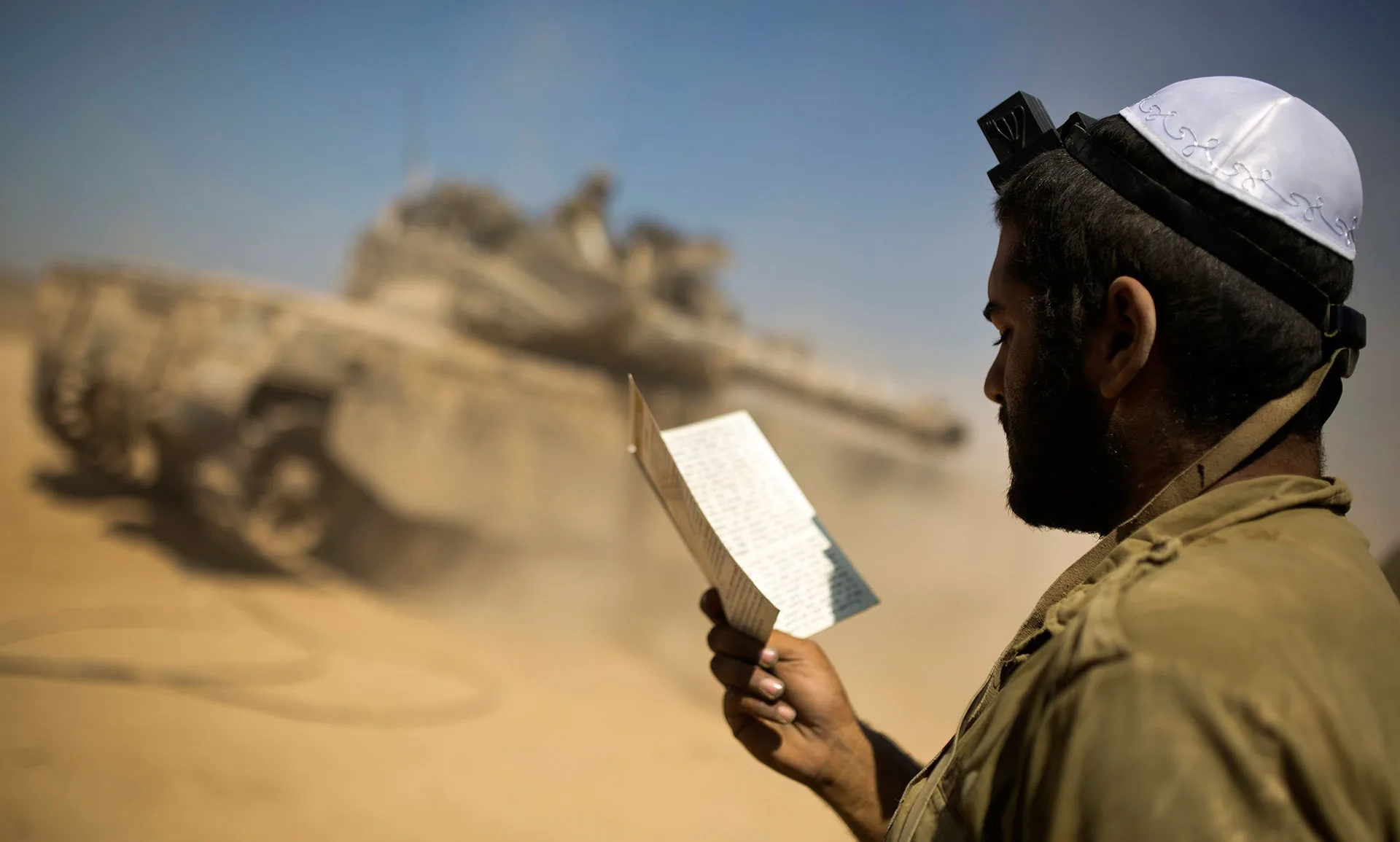
According to the religious service, or the program “Sifra ve-Saifa” (the book and the sword), devised by former Haganah fighter Yehuda Amital, the student spends a year and a half studying Torah full time, followed by 16 months of active military service, then returns to complete his religious studies.
Although the service period is shorter, the rate at which students in the program join combat units reaches 80%, compared with secular recruits, whose service extends to 32 months, making the final outcome of combat service outweigh the shorter time span.
Under this framing, the religious soldier is presented as carrying out a Talmudic commandment. His fighting is viewed not merely as a religious or national duty but as worship, and even war does not necessarily become evil but rather part of a redemptive project that religious Zionism awaits in order to restore the full and “greater” Land of Israel.
This was reflected in soldiers’ conduct on the ground, which included targeting civilians, committing massacres, blowing up churches and Christian statues, erasing historical and cultural sites, posting videos of dancing and boasting about demolishing Palestinian homes, bringing the menorah into the heart of Gaza during Jewish holidays, and writing religious slogans on walls.
According to Blaze News, the dominance of the military rabbinate could be illustrated in 2026 by two incidents: the first involved an Israeli occupation army soldier in uniform seen smashing a statue of Jesus Christ with a heavy hammer, while the second was a video showing the desecration of an Orthodox church in the Lebanese town of Deir Mimas in late November 2024.
This transformation, the newspaper says, is evident in the reaction of the Israeli occupation army itself, which appeared to amount to an implicit acknowledgment that the “secular” military leadership no longer sufficiently controls the ground and is facing the dilemma of a religious cultural shift led by a stronger military rabbinate, pushing the army to contend with popular ideas such as the expansionist “Greater Israel project” and incidents of attacks on churches and monasteries.
In this context, the rise of the military rabbinate after Oct. 7 can be understood as part of a reshaping of the army’s ideological structure, not merely an internal religious change but a gradual transition from “national militarization” to “redemptive militarization,” in which war becomes a tool for realizing a religious vision of land, sovereignty and identity.
The military rabbinate and the future of “Israel”
After Oct. 7, Israeli reality proved that the military rabbi is no longer merely a provider of religious services but has become part of building soldiers’ fighting spirit and moral identity, and part of broad religious mobilization within Israeli society, following the growing presence of biblical discourse in justifying war and granting it the legitimacy of destruction and violation.
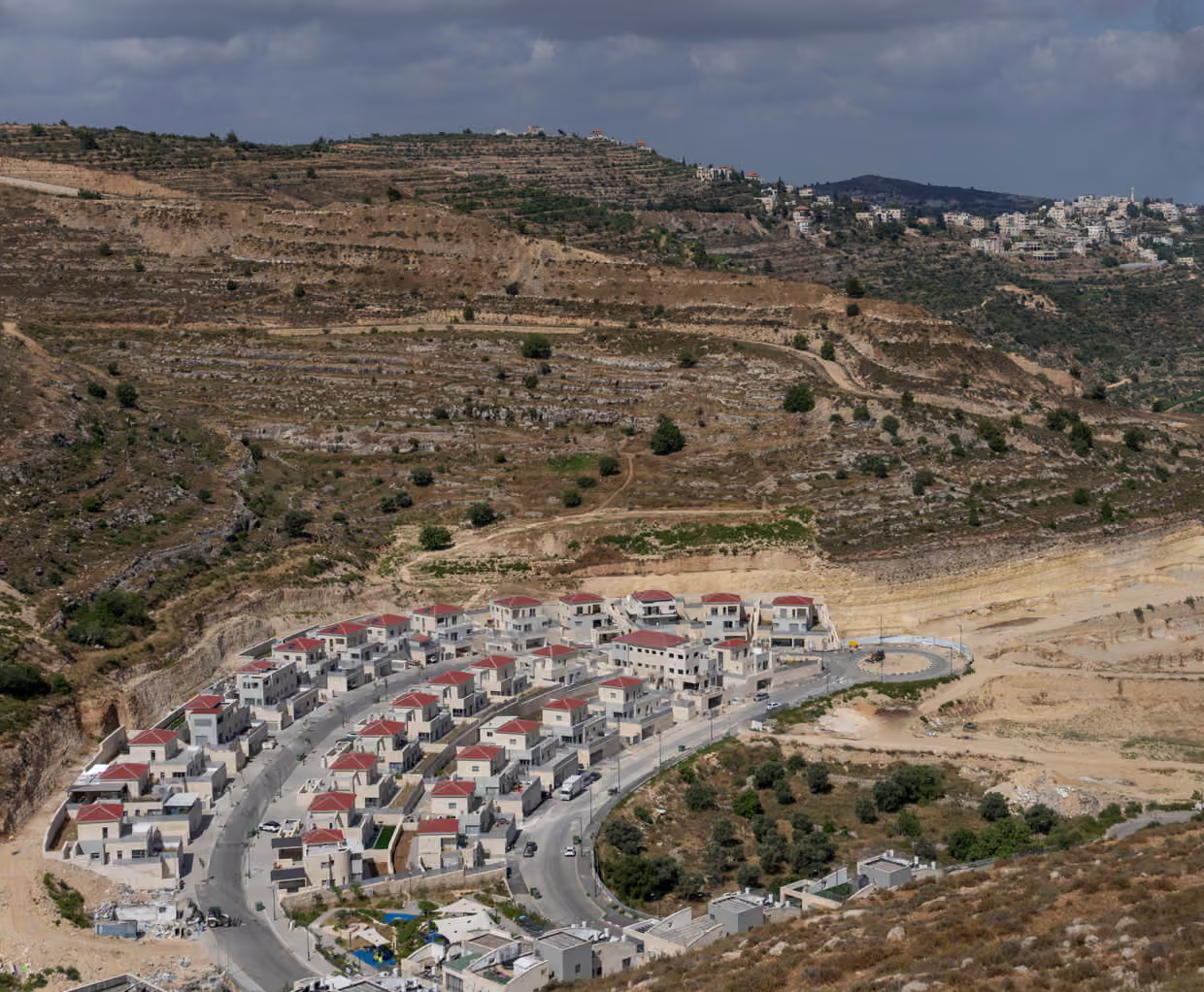
This makes the continuation of war fuel for the continued expansion of the military rabbinate and its roles, especially with the wars in Gaza and Lebanon unresolved and the need to complete Israeli sovereignty and settlement in the West Bank. At the same time, this trajectory pushes the army to redefine itself and its role, from a secular institution into one tied to a religious settler project.
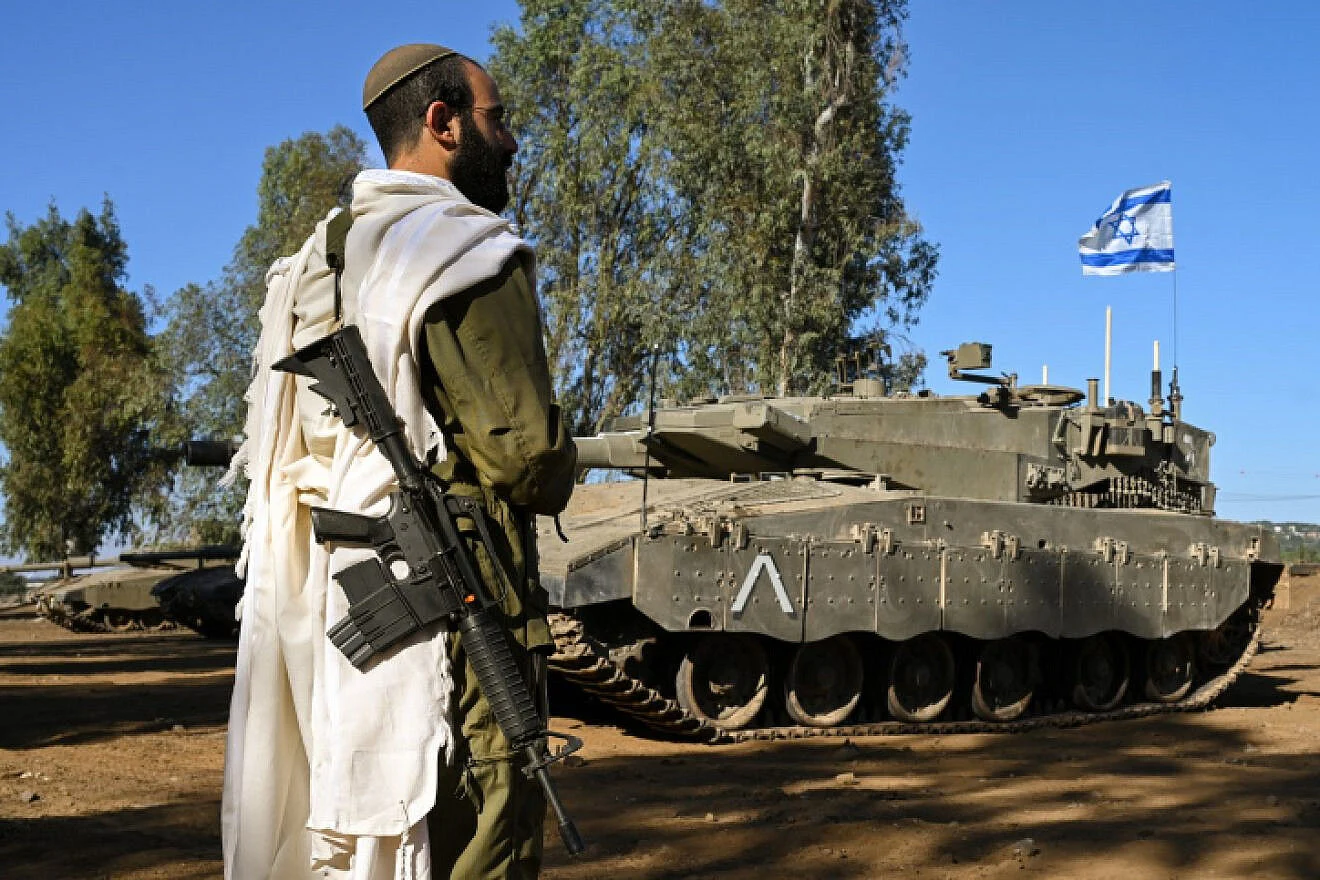
That still appears difficult, given the continuing conscription crisis among ultra-Orthodox Haredim and the possibility of a widening gap between them and religious Zionism, which could become a key player in integrating the religious into the army and in determining the government’s course and stability.
What is unlikely, however, is that the military rabbinate will retreat from its positions, give up its informal networks and ties to settlers and religious schools, or sever the link between Israeli military and official action and the Torah and its interpretations, especially amid declining enlistment rates in secular circles, rising birth rates in religious circles, and the growing enlistment of religious young men in combat units.
Today, these changes are prompting secularists to warn that the end of “Israel” may shift from the end of an entity to the end of a democratic system, as a result of the dominance of redemptive ideologies that are not inclined toward political compromise and regard any conflict or war as part of an “end times” and “Armageddon” context.
From another angle, this change reinforces the Arab and Palestinian view of “Israel” and the conflict with it as a religious conflict, not a political one that can be resolved through international law and political and UN norms. It makes it important to reconsider Israeli action and interpret it within this context, rather than treating “genocide and erasure” as temporary acts that can be reversed.
Thus, the question of the future remains suspended between two paths: the development of the military rabbinate and the expansion of its influence, or “Israel’s” redefinition of itself and its function, and therefore the limits of its dominance in the Arab region.