











While cameras zoom in on the destruction, children, and the displacement of women, Gaza’s elderly remain at the heart of the tragedy those who spent their lives building homes and raising generations, now find themselves homeless, exhausted, without medicine or food.
They walk for miles under aerial bombardment, their cries unheard, as displacement begins on foot, beneath the scorching sun or in the rain, through rubble-strewn paths and unpaved roads.
“I walked 12 kilometers on foot, moving from Rafah to several areas in Khan Younis and Al-Mawasi,” says 72-year-old Haj Basheer Farwana to Noon Post. A frail man clutching the remnants of a bag containing a few of his medications, he continues in a hoarse voice, “My knee hurts, and I’m nearly blind but I have no choice. No one carries me. I lost my sons under the rubble.”
Haj Farwana had lived in Rafah, in southern Gaza, in a home he built with his own hands. Surrounded by his children and grandchildren, he nurtured in them a love for the land and their homeland. But the war robbed him of his house and the warmth of family. Following Israeli military orders, he and his family were forcibly displaced from Rafah to the Al-Mawasi area of Khan Younis.
He says he’s been forced to flee countless times, always in search of a so-called safe haven, even though there is no safe place in Gaza. His only wish is to return to Rafah, the place of his birth. According to the ceasefire agreement, the Israeli army is to withdraw from occupied areas, including Rafah, allowing residents to return to their homes.
Between the pain of war and the anguish of displacement emerges the story of 50-year-old Hajjeh Sundus Nassar from Beit Hanoun in northern Gaza a reflection of the suffering endured by thousands of women who have tasted the bitterness of homelessness and loss. Since the start of the war, Sundus has been forced to flee more than 25 times.
Each time, she left her home under shelling, walking with her children and grandchildren, carrying nothing but the remnants of her spirit.
After six months of holding out in the north, she reached Khan Younis through Israeli checkpoints known as halabat accompanied by eleven family members. She describes the journey as “a road between life and death,” as they passed under the threat of soldiers and constant danger.
Speaking with pain laced with pride, she says: “I used to live in my home like a queen, respected, with everything I needed. Now I sleep on a mat on the floor with my daughters no blanket, no pillow.”
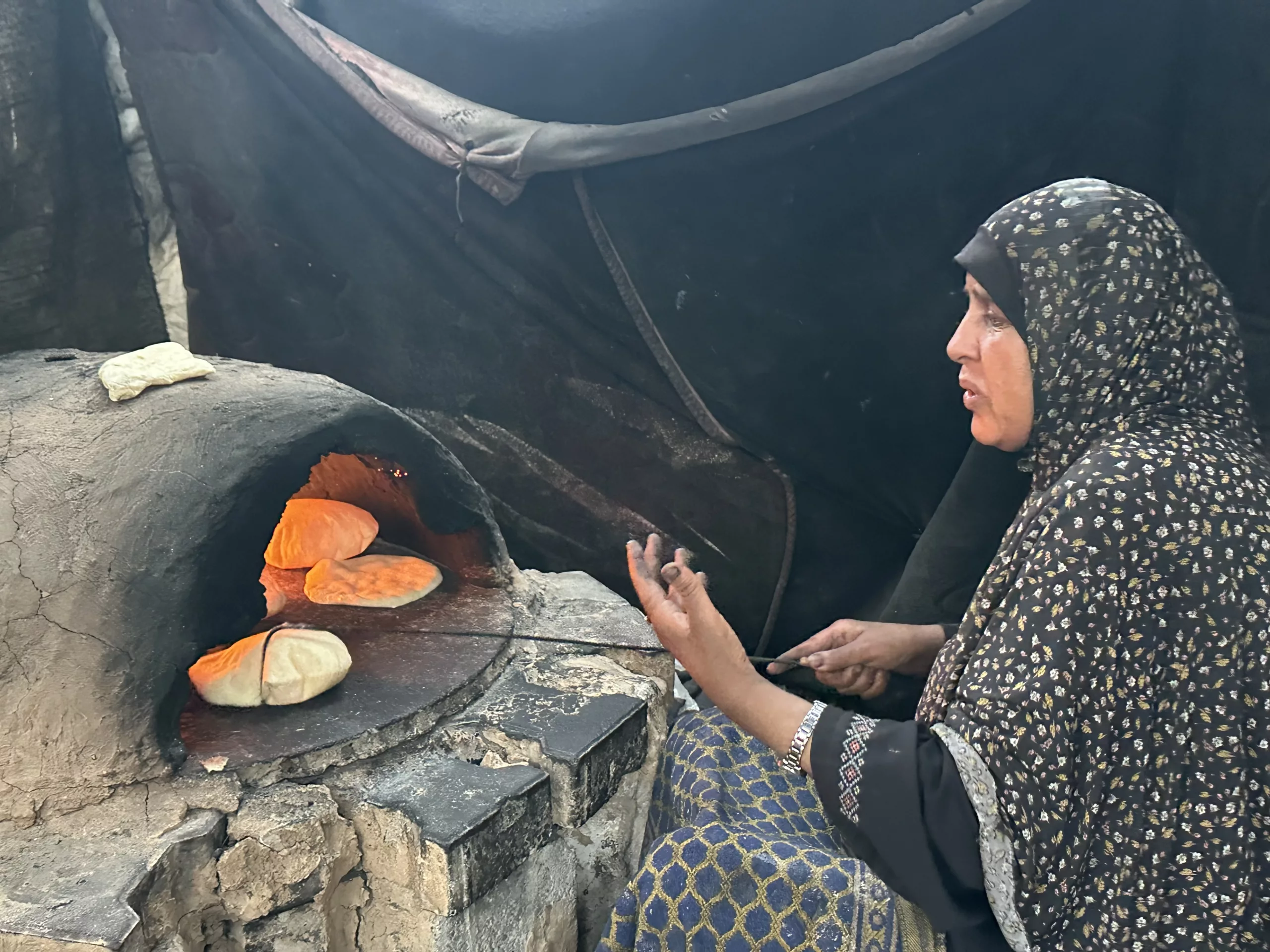
Despite physical exhaustion and illness, she refused to give in. After undergoing several surgeries, she returned to fight poverty with dignity. She built a mud oven beside her modest tent, baking bread for people in exchange for a small income just enough to feed her children, grandchildren, and her paralyzed son and his family.
From morning until sunset, she works under the heat of fire and toxic plastic fumes. Sweat pours down her face, and her eyes sting from the smoke, yet she continues. Wiping her forehead with a weary hand, she says that during the worst days of hunger, she didn’t even have money for a kilogram of flour and watched her children go hungry, unable to help.
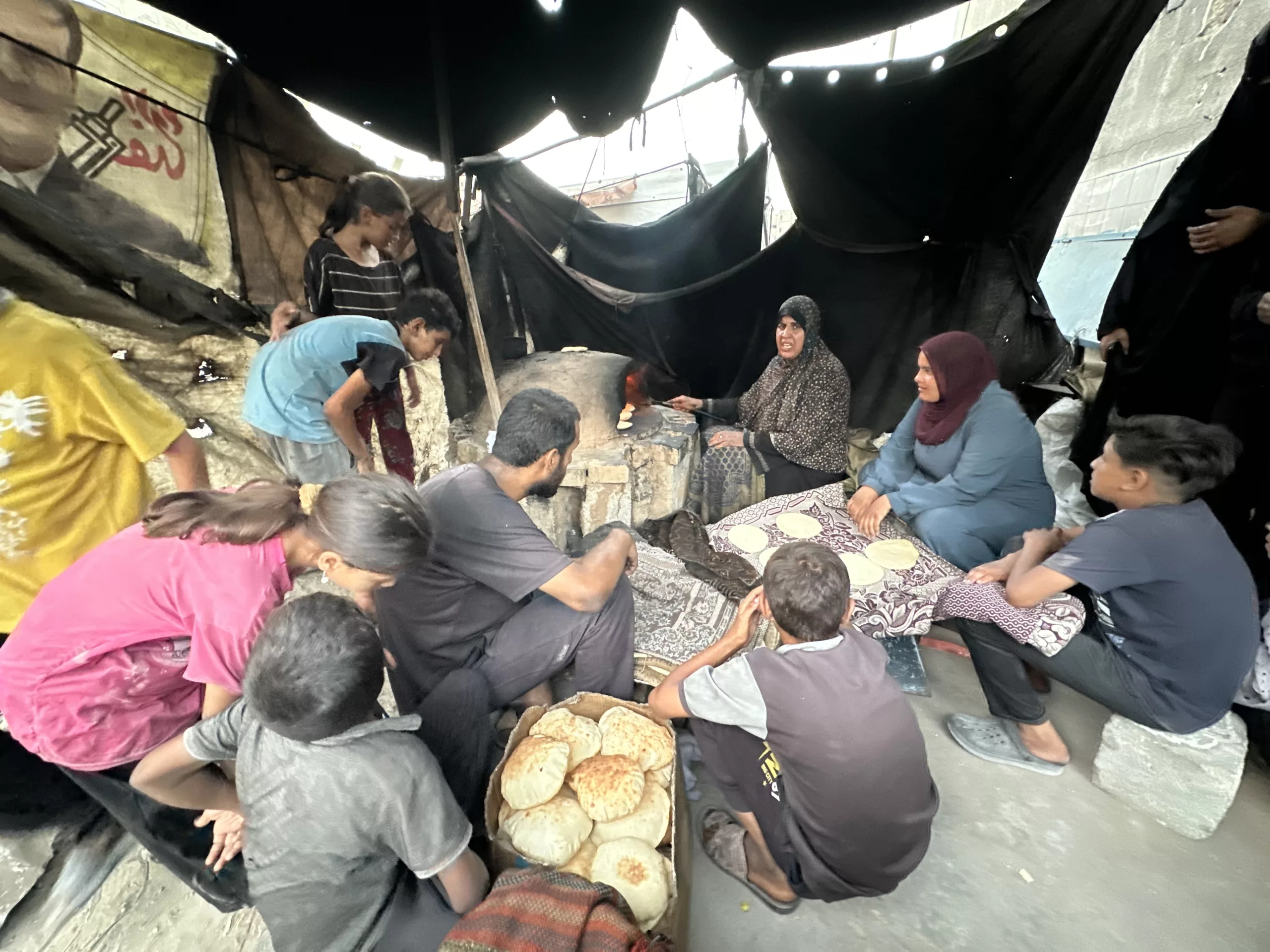
Though physically, emotionally, and financially drained, she clings to the hope of one day returning to her home in Beit Hanoun without mourning the loss of any loved ones.
Gaza’s healthcare system is in a state of collapse. With hospitals targeted and many facilities out of service, the elderly have nowhere to go for treatment or even safe shelter. Among the hardest hit are those suffering from chronic conditions such as diabetes, hypertension, heart and kidney disease.
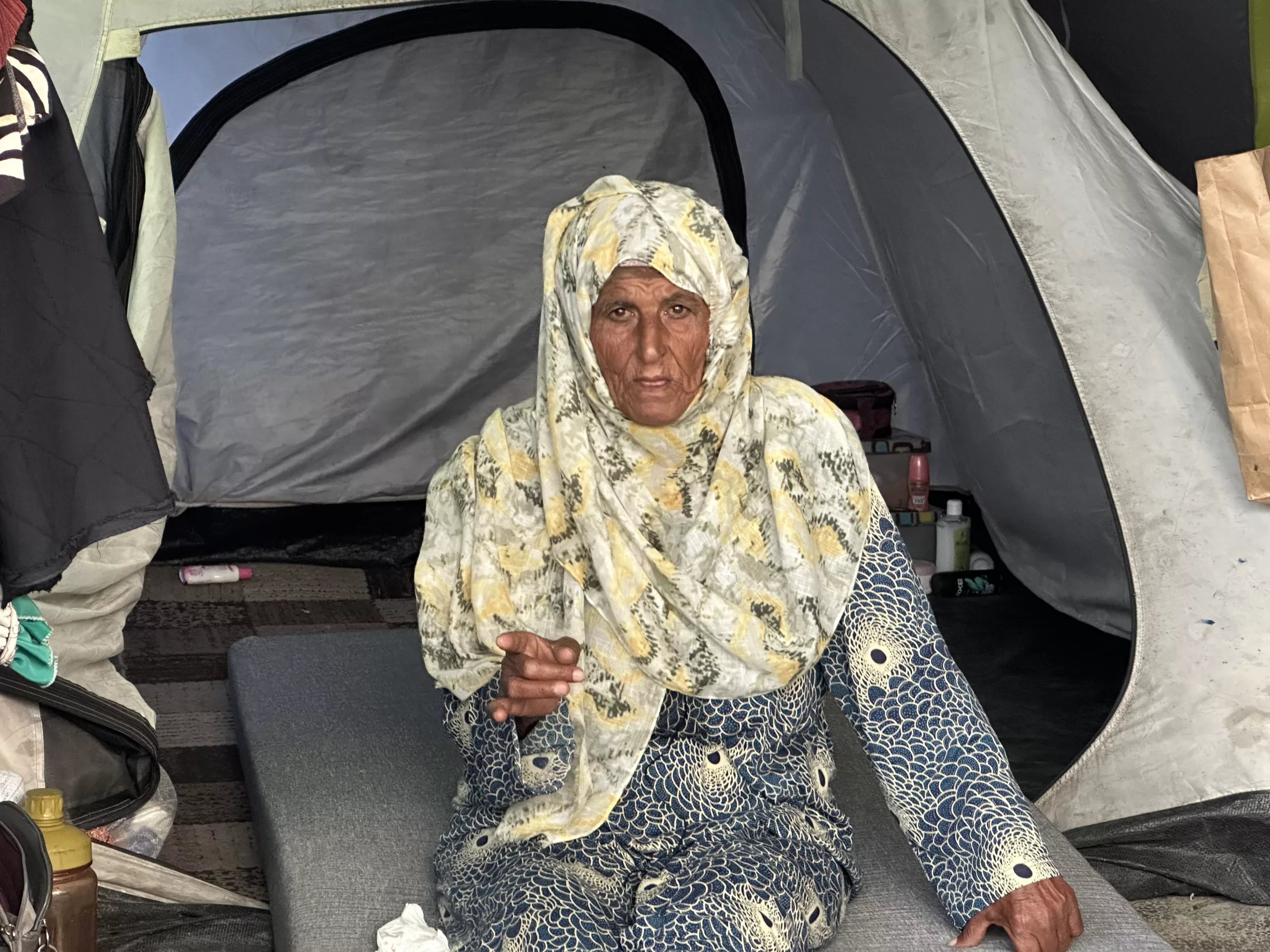
“I was displaced more than twenty times, all on foot, and it’s worsened my health,” says 75-year-old Rasmiya al-Najjar. Her elderly husband passed away during the war due to the lack of medication and proper nutrition. “I’m in dire financial straits below zero. I can’t even afford painkillers for my inflammation,” she says.
Rasmiya was hit by shrapnel in the abdomen while at Nasser Medical Complex, which she had visited for a routine checkup. Israeli forces had targeted the hospital grounds. Although she underwent multiple surgeries, she could not complete her treatment due to severe shortages and the dire conditions in the shelter where she now lives.
The elderly are suffering immensely from the lack of food and proper healthcare in shelters and camps. Everyone relies on aid from charities and NGOs, but it is rarely sufficient and it does not take into account the specific needs of seniors. Many elderly individuals are malnourished, making them more vulnerable to infections, disease complications, and early death.
Since the war began, thousands of Palestinian civilians have been killed or wounded including the elderly. Some were killed while fleeing, others died under the rubble, or due to delayed treatment, exposure to the cold, or starvation in shelters.
According to the Palestinian Central Bureau of Statistics, as of October 1 on the occasion of the International Day of Older Persons more than 65,000 people have been killed in the Gaza war, making up 2.9% of the Strip’s pre-war population.
Of them, around 7% were elderly. An estimated 2 million people have been displaced from their homes, out of a total pre-war population of 2.2 million.
The staff at Al-Wafaa Hospital for the Elderly Gaza’s only geriatric center was forced to evacuate dozens of elderly patients from Gaza City to Al-Zahra, and later to Deir al-Balah, after intense and direct shelling. These evacuations were described as “the most harrowing and dangerous” since the war began.
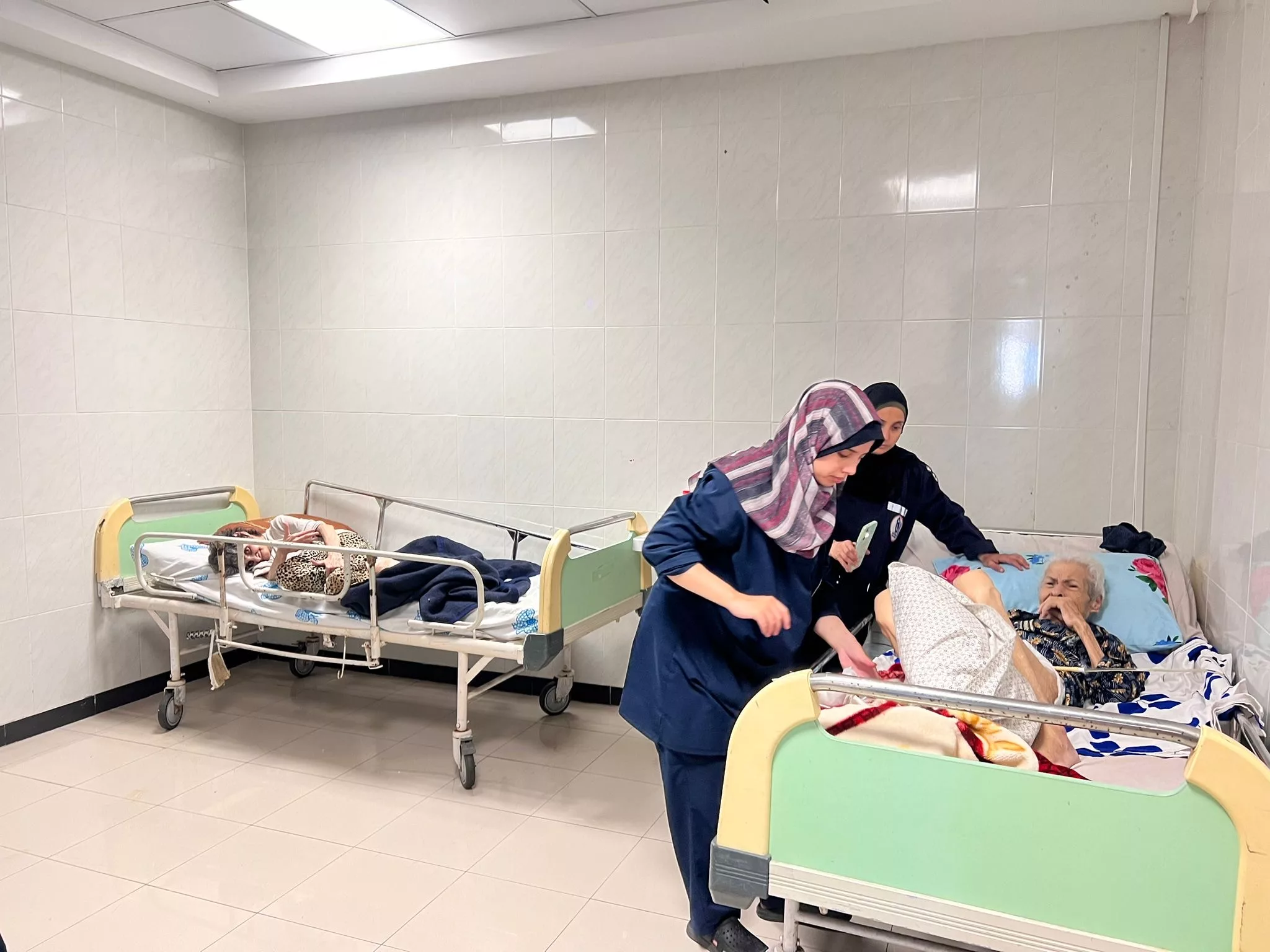
Dr. Ashraf Hamada, the hospital director, said the evacuation was carried out amid heavy bombing, a lack of transport, and dangerous road conditions. Medical staff were forced to carry patients by hand or on makeshift carts, amid a severe shortage of fuel and supplies.
Hamada noted that the elderly were overwhelmed by fear and panic due to constant drone and robot strikes. Some fell into comas from malnutrition and psychological trauma, while others sank into depression after losing their homes and sense of safety.
Speaking to Noon Post, Dr. Hamada described the situation as “catastrophic by all measures.” The nursing home suffers from a total lack of food and medicine, and virtually no medical equipment. Nearly 20 out of 40 residents died due to hunger, malnutrition, and the failure of medical devices caused by power cuts and fuel shortages.
He added that the remaining residents are physically frail, suffering from muscle wasting and immune system collapse, amid the total absence of medical or psychological care and the unavailability of vital medications, including insulin and heart or blood pressure medicine.
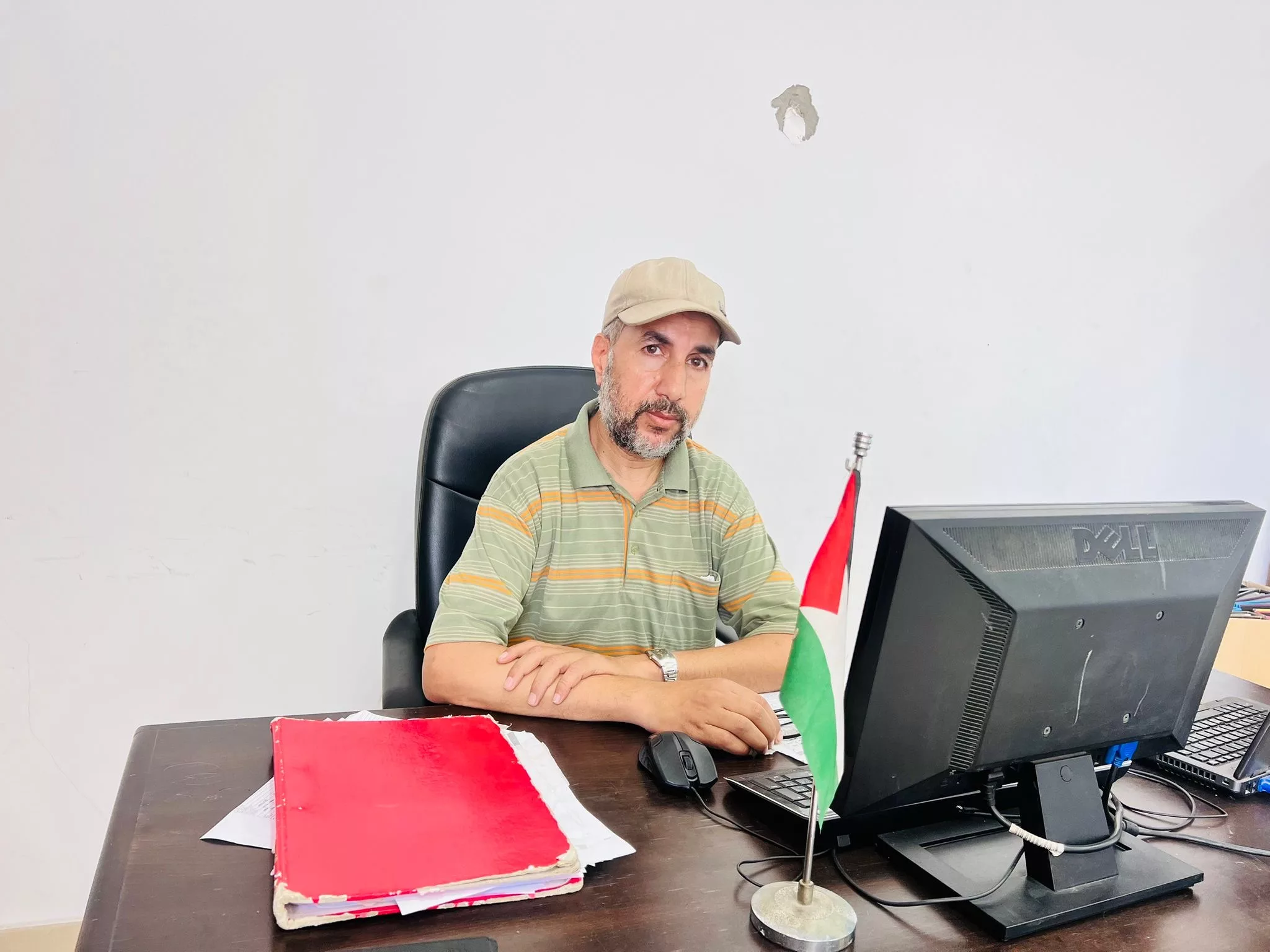
Dr. Hamada confirmed that Israeli forces had issued multiple threats to the hospital staff, warning of attacks on the building, forcing some doctors and nurses to temporarily evacuate to protect their lives further worsening the care crisis.
During the war, the hospital in Al-Zahra was struck without warning, killing several people, including the hospital’s director, Dr. Medhat Muhaisen, and injuring elderly patients who had been living there. The Gaza Health Ministry declared that the bombing of Al-Wafaa was deliberate a clear and targeted attack on the elderly.
In closing, Dr. Ashraf Hamada made an urgent humanitarian appeal to international organizations chiefly the United Nations, the World Health Organization, and the Red Cross to provide a safe and well-equipped refuge for Gaza’s elderly, complete with essential medical devices, as well as recreational and rehabilitative spaces to help them recover from trauma.
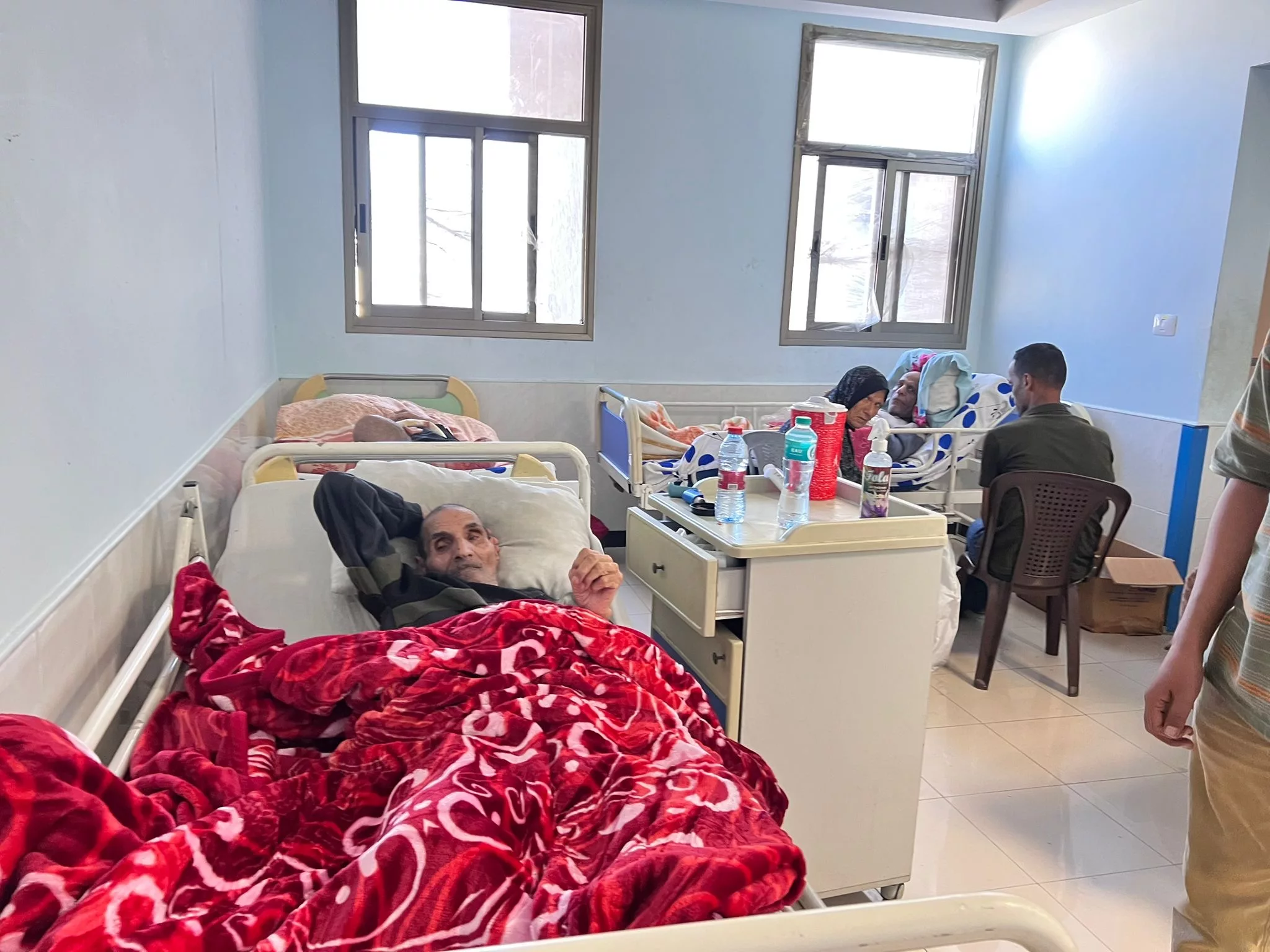
He also called for the rapid delivery of food and medical supplies to save what remains of Gaza’s elderly population those who have endured the horrors of one of the most devastating wars in human history.
Al-Wafaa remains the first and only medical rehabilitation center in Gaza dedicated to the care of senior citizens.