










هذا التقرير متاح أيضًا بـ العربية
Against the backdrop of Israel’s war of extermination on Gaza and the harsh social, economic, and humanitarian conditions that came with it, new and unconventional jobs have emerged, pushing growing numbers of children into the labor market at an early age. Many children have found themselves burdened with responsibilities far beyond their years, moving between newly created forms of work imposed by necessity and the demands of daily life.
The war has left tens of thousands of children orphaned and without providers, forcing them to search for food and income on their own. The total number of orphans in the Gaza Strip has reached 64,616 orphans , including 55,157 during the latest assault on the Strip, most of whom lost their fathers as a result of the genocidal war waged by the occupation against Gaza.
The United Nations Children’s Fund, UNICEF, said that more than 58,000 children in the Gaza Strip have lost one or both parents as a result of the Israeli assault, leaving them in a harsh struggle with life without family support or adequate care.
Children’s rush into work comes amid rampant unemployment among adults. After the war on the Gaza Strip, unemployment reached unprecedented levels, with UN reports and economic institutions indicating that the unemployment rate stood at about 80 percent of the labor force.
Children’s workplaces have not been limited to markets, streets, and workshops. They have extended into some of the bleakest and most desolate places in the Strip: cemeteries, where children now go to work in tasks related to building graves, burying the dead, and watering graves.
Children among the graves
Noon Post’s camera documented a number of children in a cemetery in central Deir al-Balah, wandering among the graves and asking visitors whether they needed water brought to sprinkle on the tombs.
The cemetery’s caretaker in Deir al-Balah, Abu Salim al-Rubai, said the cemetery had turned during the war of extermination into a workplace for dozens of children. They now come there from the early morning hours, as families of the dead arrive to bury their loved ones, and take part in digging graves, bringing stones from destroyed homes around the cemetery, fetching water, and providing digging tools.
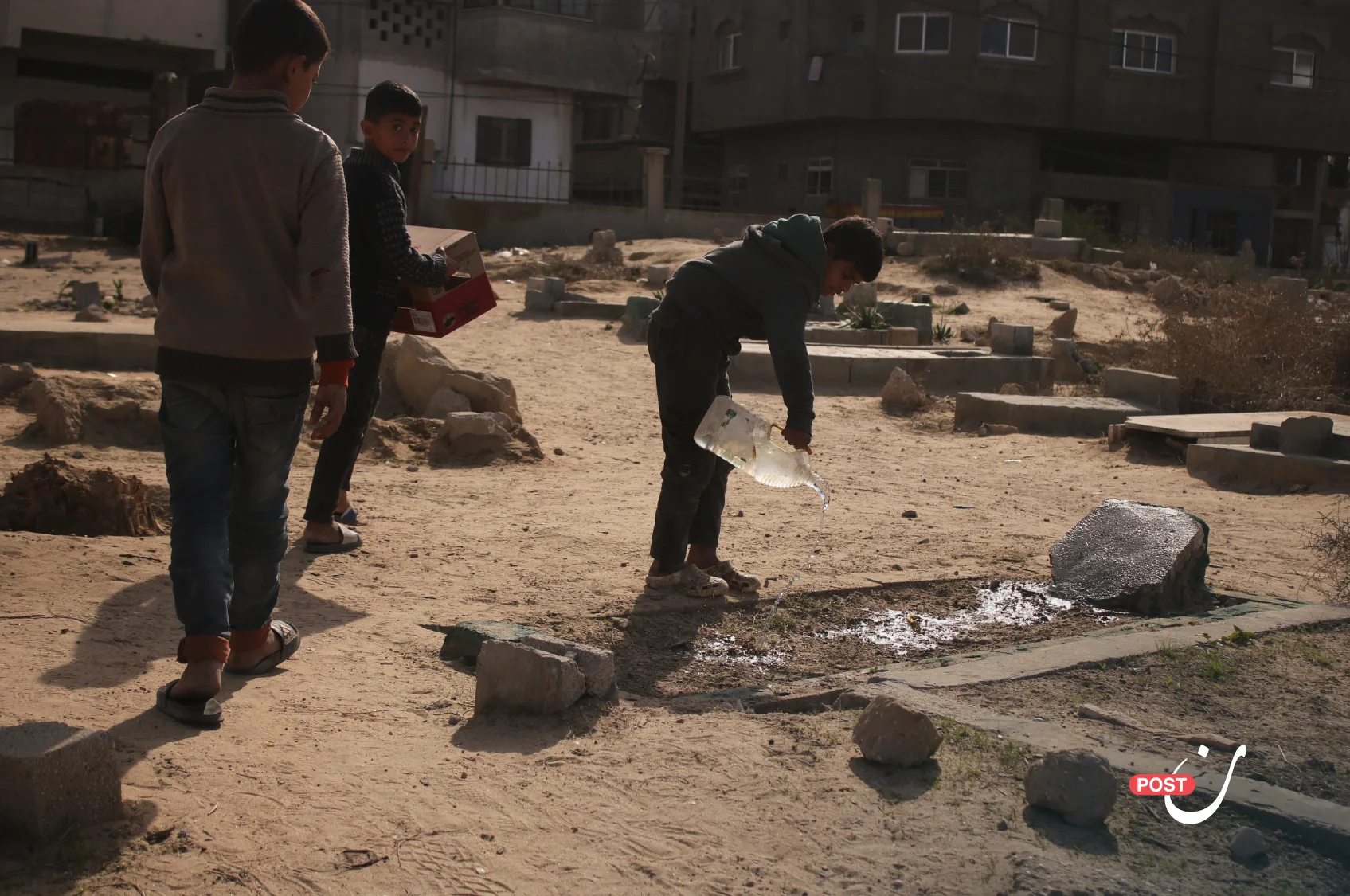
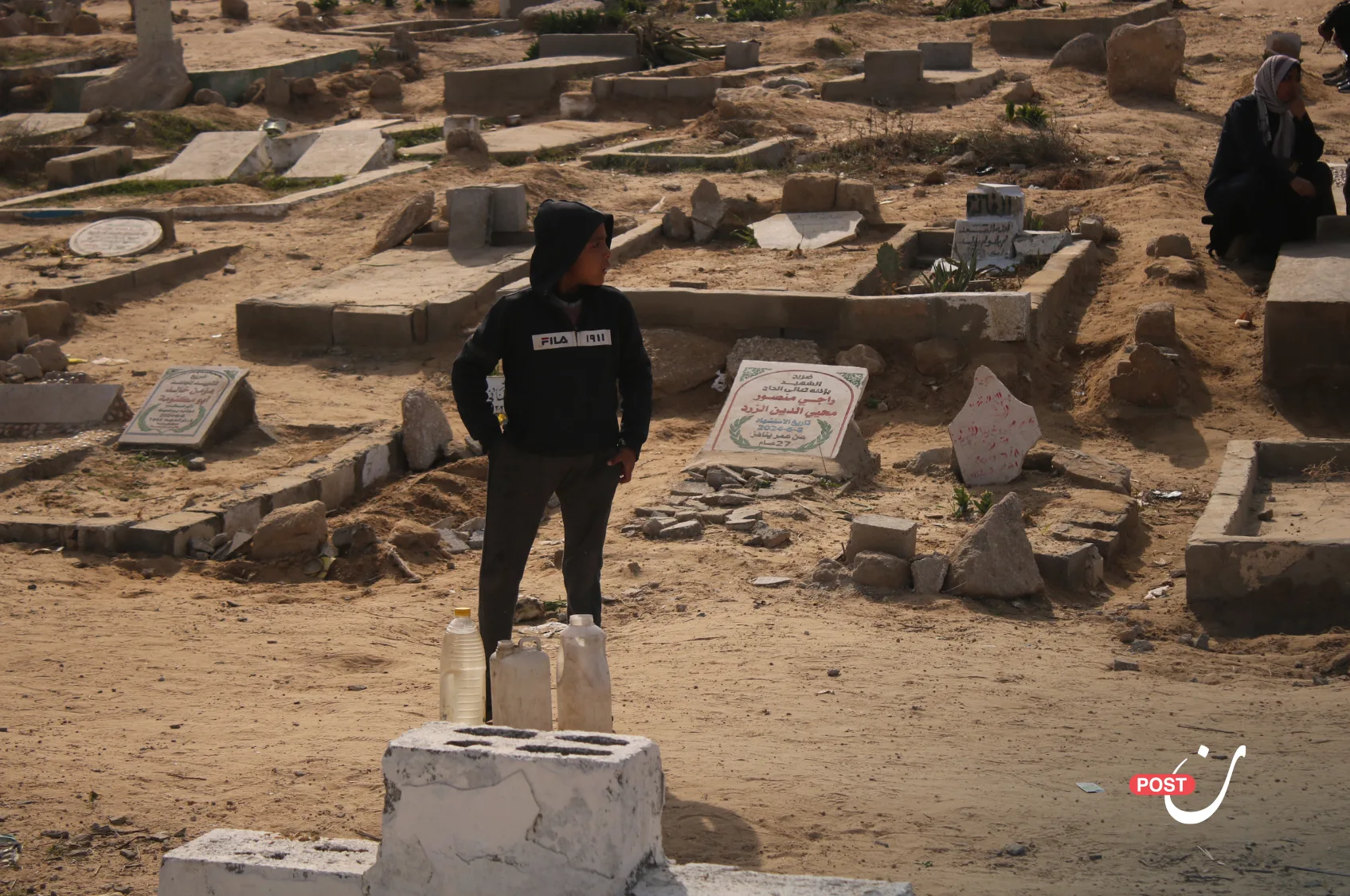
He added in remarks to Noon Post: “Scenes of burying the dead, many of them reduced to body parts, amid the cries of grieving families and the brutality of those moments, are absolutely incompatible with children being present in the middle of them. These are scenes that are difficult even for adults, and their impact never leaves the memory. What, then, of children driven by displacement, homelessness, and poverty to work alongside death just to earn a living for their families?”
Al-Rubai explained that when the intensity of the war subsided, the phenomenon of children working in cemeteries declined, but it became active again with the daily attacks resumed by the occupation and the escalation in recent weeks.
He continued, asking: “What future awaits a child who has left the classroom and gone to work to support his family by any means, even at the expense of his childhood and his mental and physical health? This issue must be followed up and addressed by child welfare and human rights organizations.”
As for Mohammed Badawi, he is another child whom displacement and his father’s injury forced into work and into searching for a livelihood for his family by selling cold water in the streets and markets.
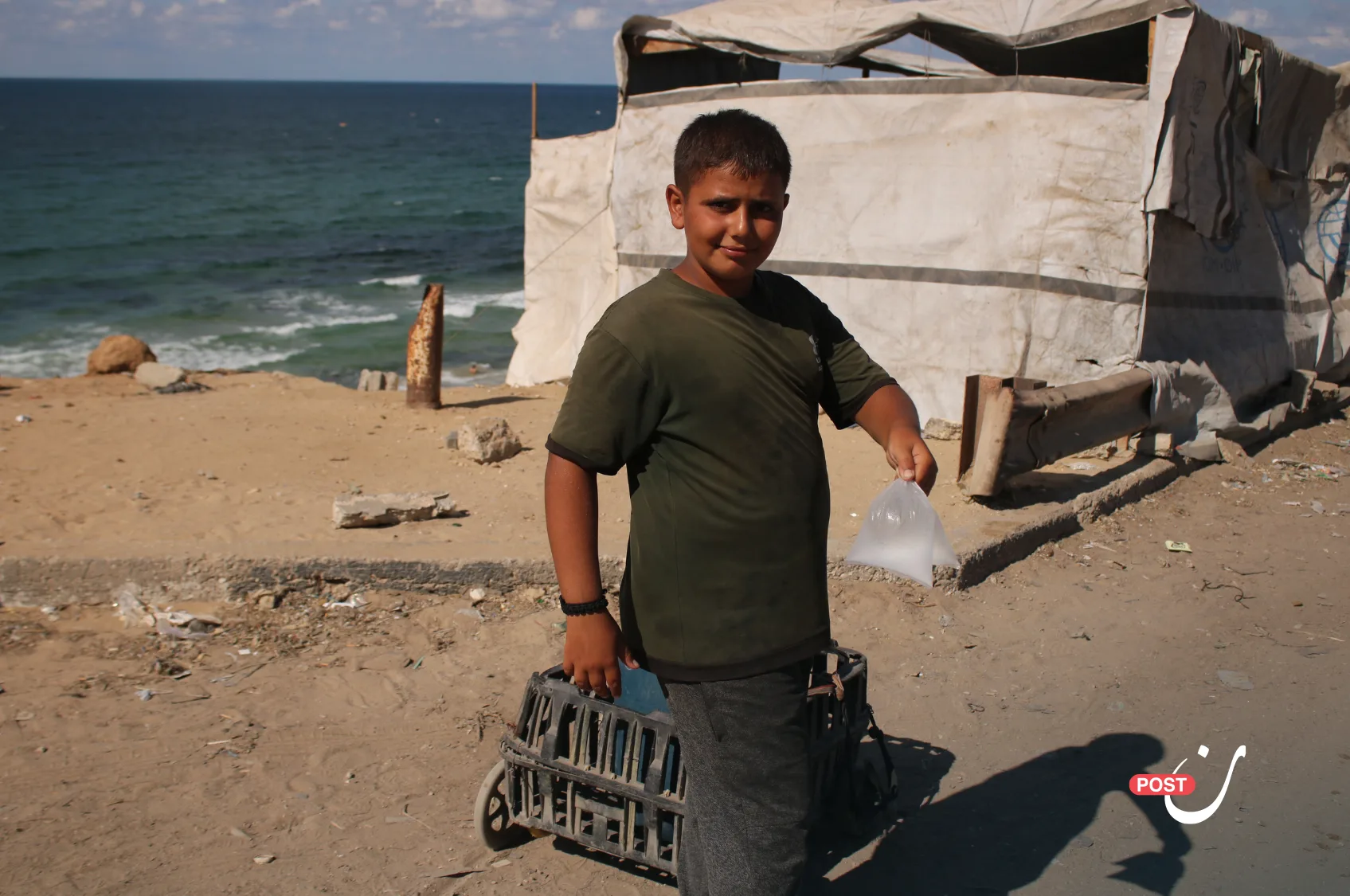
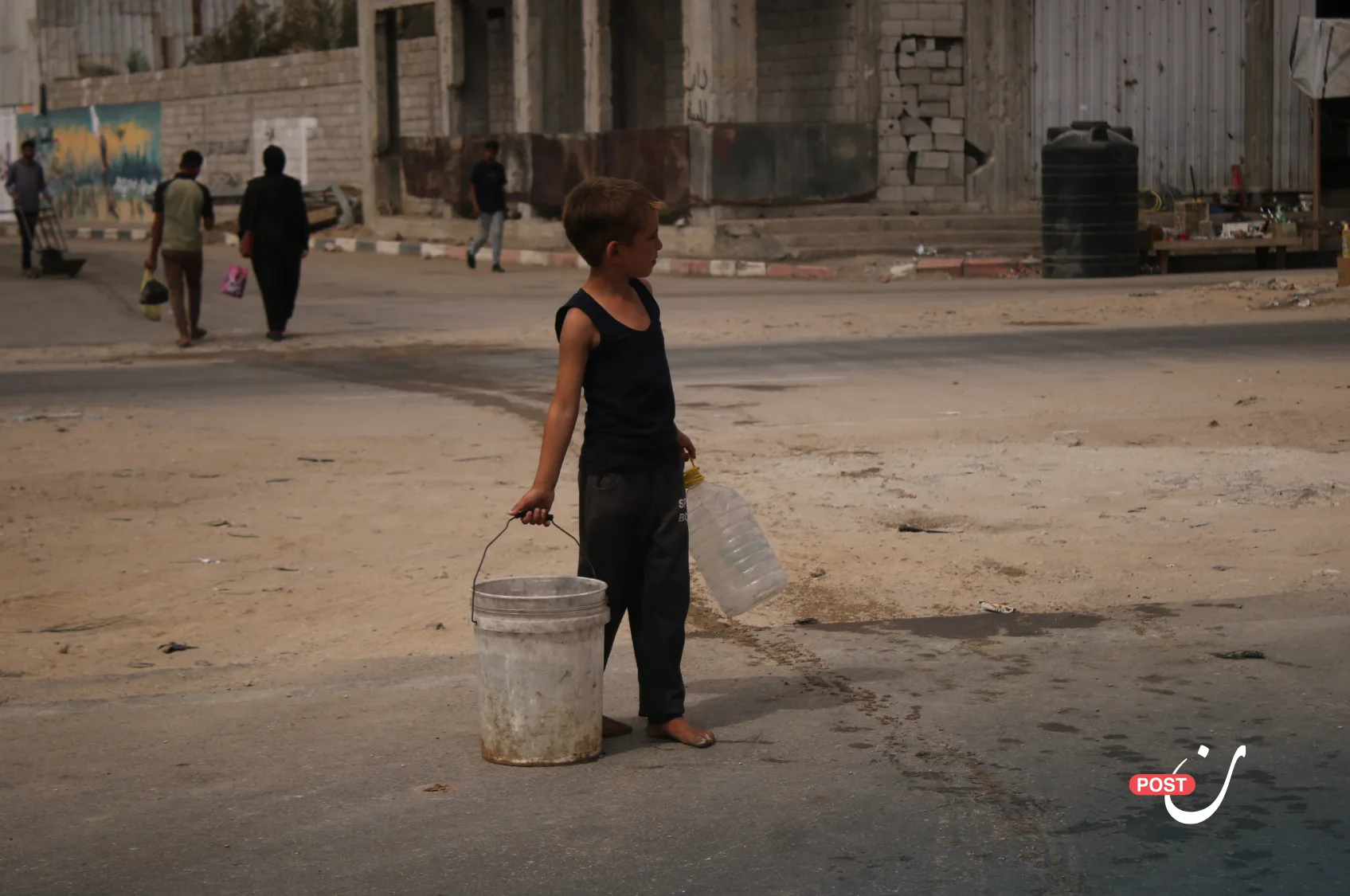
Mohammed told Noon Post that his family’s difficult circumstances, the loss of their home, and his father’s disability resulting from an Israeli attack made it necessary for him to go out to work and help feed his family.
He added: “When the free water trucks brought by aid organizations arrive, I secure water for my family, then set aside between 15 and 20 liters and fill them into small plastic bags. After that, I go to a shop that has a refrigerator and ask them to chill these bags, about 50 in total, for 10 shekels. Three hours later, I take the water and sell it in the Nuseirat market or on the coastal road at Nuwairi Hill, and each bag costs 1 shekel.”
Mohammed explained that he tries to sell the water as quickly as possible, because if the bags lose their chill, no one will buy them. That often happens, forcing him to cool the water again, which further reduces the already meager profit margin or wipes it out entirely.
Deadly jobs
Among the dangerous jobs children are involved in is work in industrial fuel factories, which rely on burning certain types of plastic in special furnaces and extracting industrial fuel from the process.
Children work either in burning the plastic or in collecting the required type of plastic, most notably damaged plastic water tanks.
Children’s participation in burning plastic is extremely dangerous, as it produces thick black smoke filled with toxic and carcinogenic substances, which may cause them serious health complications.
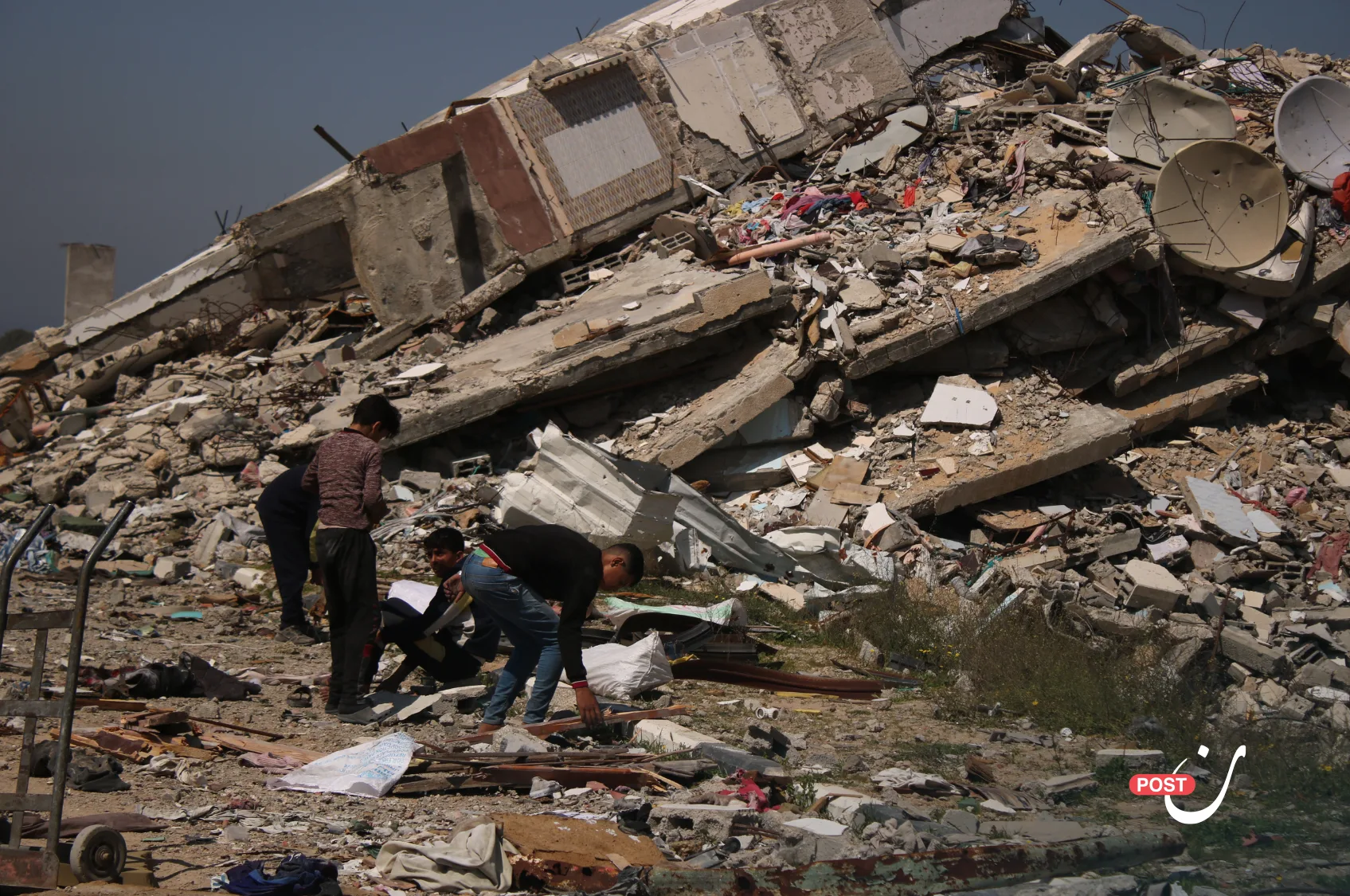
Ziad al-Ramli is one of the children who worked in a workshop producing industrial diesel west of the Maghazi refugee camp in central Gaza. He described his suffering and how the job affected his health.
Ziad said he worked in an industrial diesel workshop for two months. In the mornings, his job was to roam areas the occupation had withdrawn from in search of leftover plastic barrels, flexible plastic hoses, and similar items, while in the evenings he worked burning plastic.
He added in remarks to Noon Post: “I used to go to areas the occupation had recently withdrawn from, such as the city of al-Zahra in central Gaza, and bring back whatever plastic I could and transport it to the workshop. Then I would work burning the plastic. I couldn’t endure working beside the furnaces for more than about 10 days, because I began to suffer from difficulty breathing, and I felt a burning sensation inside my airway, even though I wore a mask while working.”
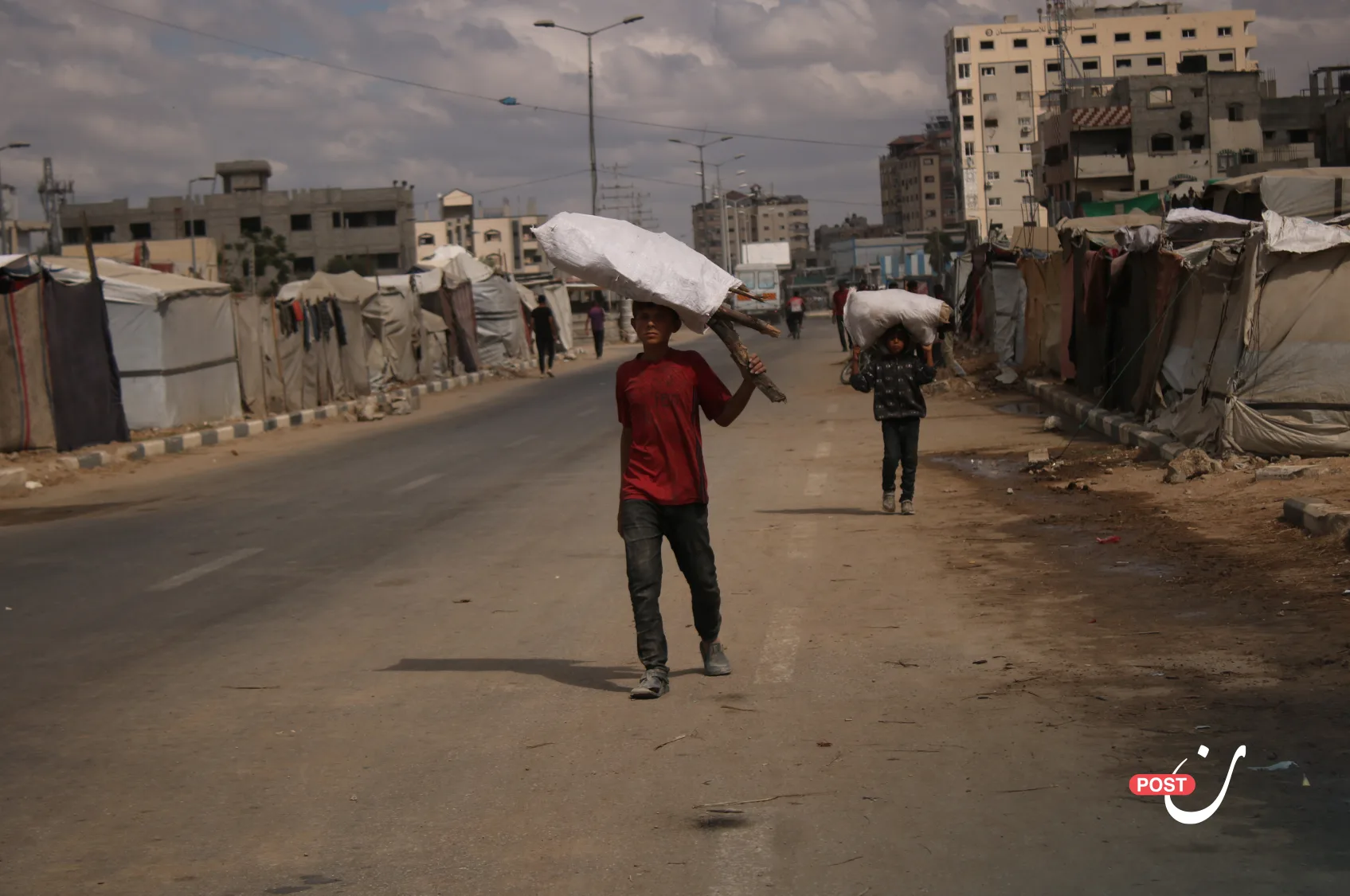
One of the dangerous jobs that has claimed the lives of dozens of children is searching through rubble for metals and salvageable belongings. Large numbers of children work in destroyed areas filled with war debris and unexploded ordnance, yet they still risk their lives to feed their families.
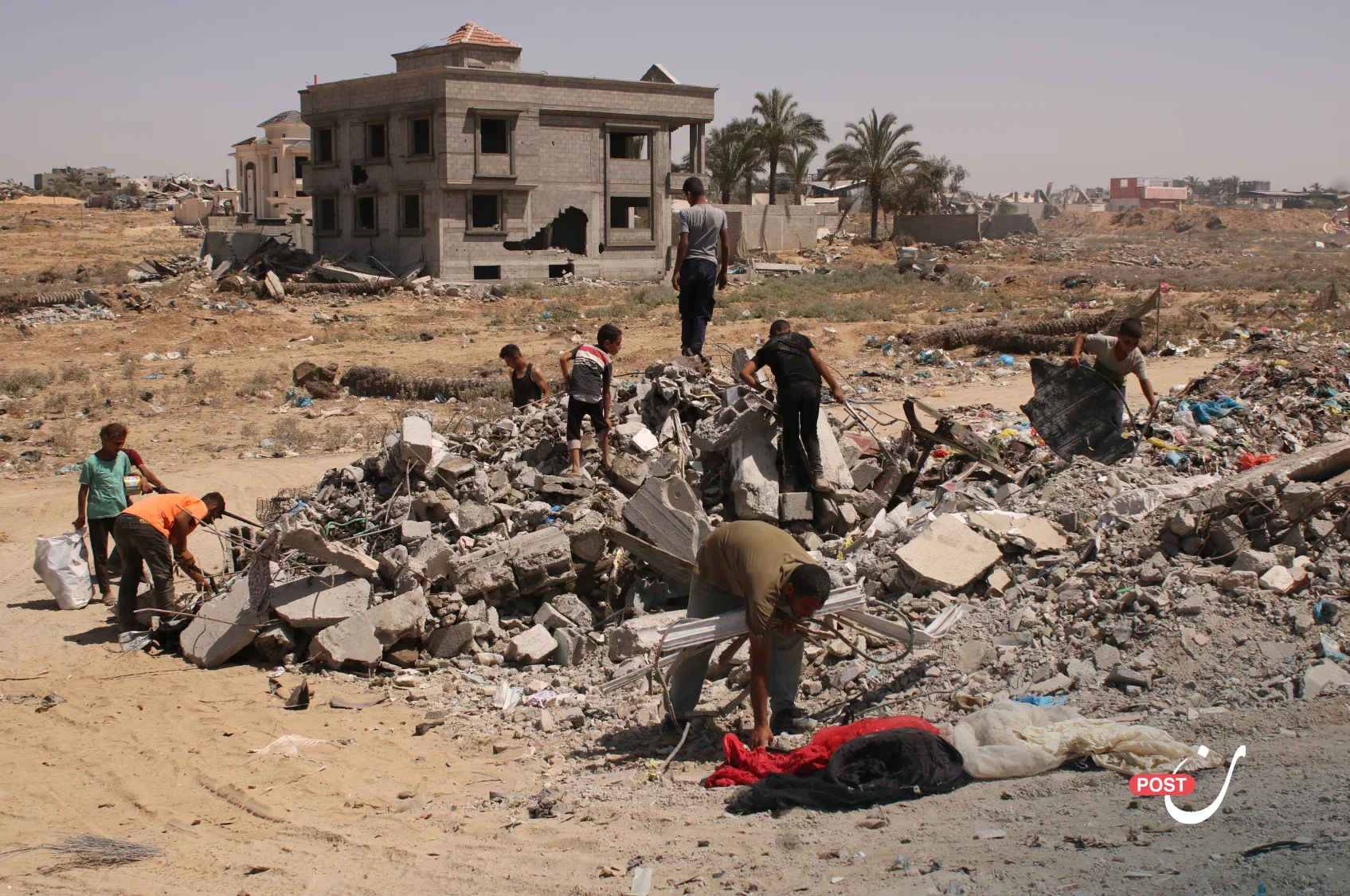
Mohammed Samaan, one of the children who works extracting metals from rubble, said this work is exhausting and extremely dangerous. They go to areas destroyed by the occupation, as well as devastated areas residents have not returned to because of the danger and lack of services, to collect scrap and metals.
He added in remarks to Noon Post: “We collect aluminum, copper, electrical cables, and anything else that can be of use. It is not limited to roaming destroyed areas. We also track the movement of trucks transporting rubble from eastern and devastated areas to designated dumping sites, and we search through it for anything useful. Then we transport these metals to specialized workshops that reuse them.”
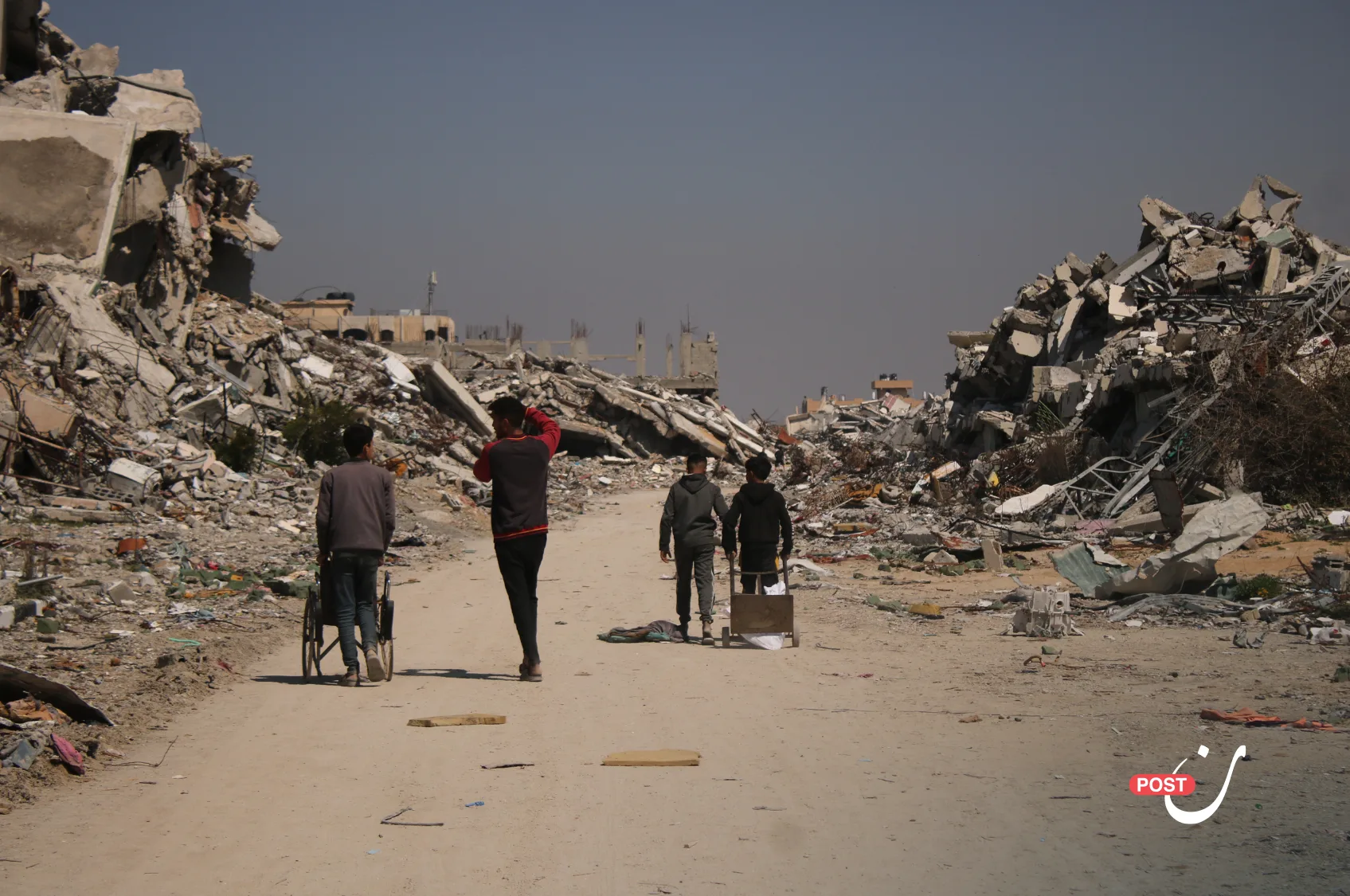
Mohammed said that in September 2024, he lost one of his friends at a rubble site west of the Bureij refugee camp in central Gaza after the boy found a suspicious object while searching through the debris. The moment he picked it up and moved it, it exploded, killing him. It later turned out that what he had picked up was a detonator left behind by the occupation.
Drifting away from school
Speaking about leaving school, the child continued: “My school in the Zeitoun neighborhood was destroyed by the occupation. I was supposed to be in seventh grade today, but schooling has been suspended, and I have forgotten much of what we studied. Most of my classmates who are still alive are working to support their families.”
The percentage of children deprived of in-person education in the Gaza Strip during 2026 is estimated at about 60 percent of all school-age children, according to UNICEF reports.
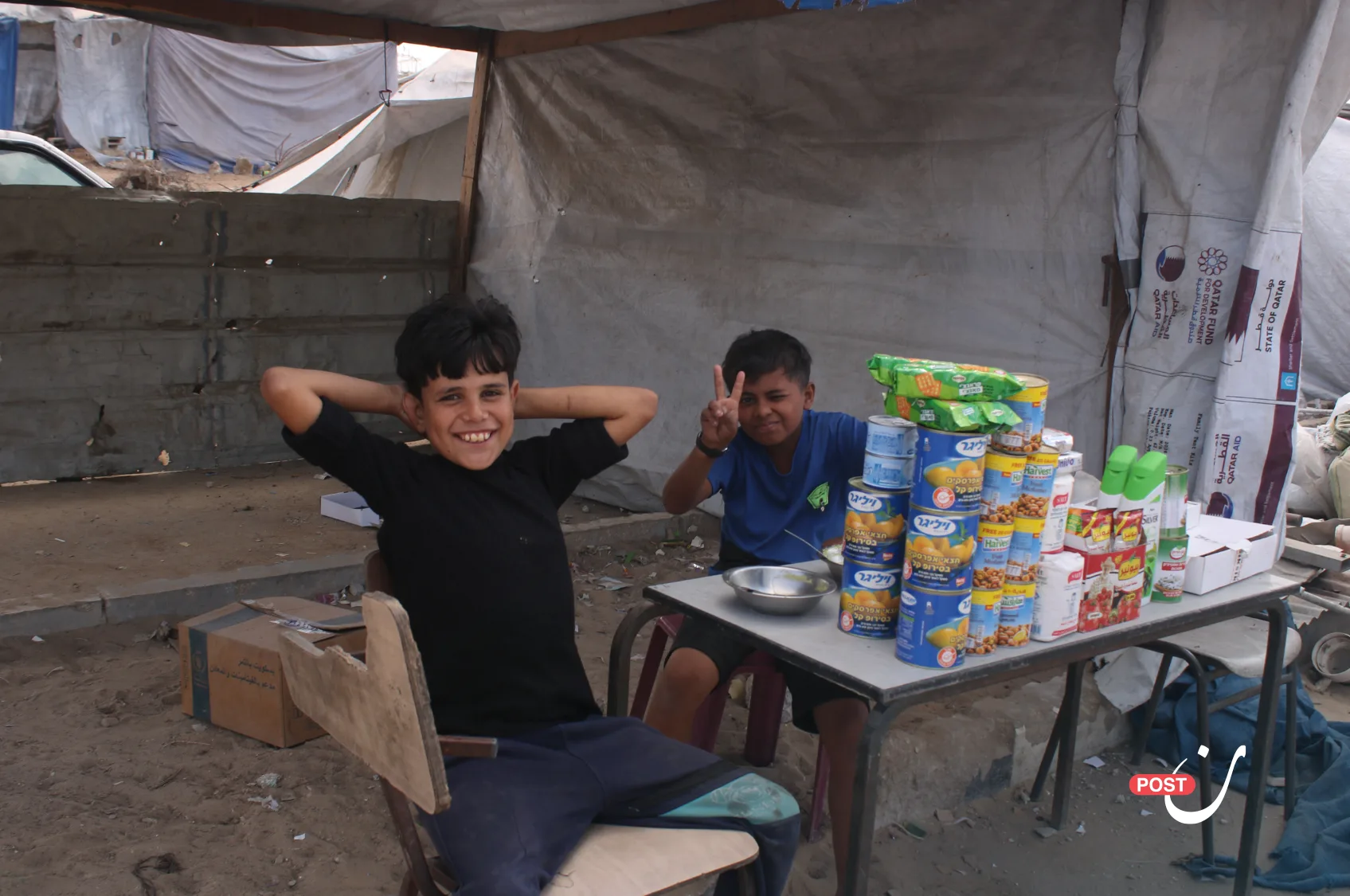
Meanwhile, UNRWA confirms that nearly all school-age children — approximately 100 percent of the roughly 658,000 to 700,000 students — have been cut off from “regular, stable in-person formal education” for the third consecutive academic year as a result of the complete destruction of educational infrastructure.
Among the jobs children do is transporting and selling bread. They crowd outside bakeries from early morning to buy bread for 3 shekels, then offer it for sale at a higher price, usually 5 shekels.
Many children also work collecting and selling firewood for daily use amid the shortage of cooking gas. Children head to areas bulldozed by the occupation or where it had been stationed, or to dangerous areas that are difficult for residents to reach, such as areas surrounding what is known as the yellow line, which are usually full of wood, and gather whatever they can. In many cases, the occupation has targeted children while they were collecting firewood.
Children are also active in repairing damaged homes and doing heavy lifting in warehouses, jobs that are wholly unsuited to their physical abilities or endurance.
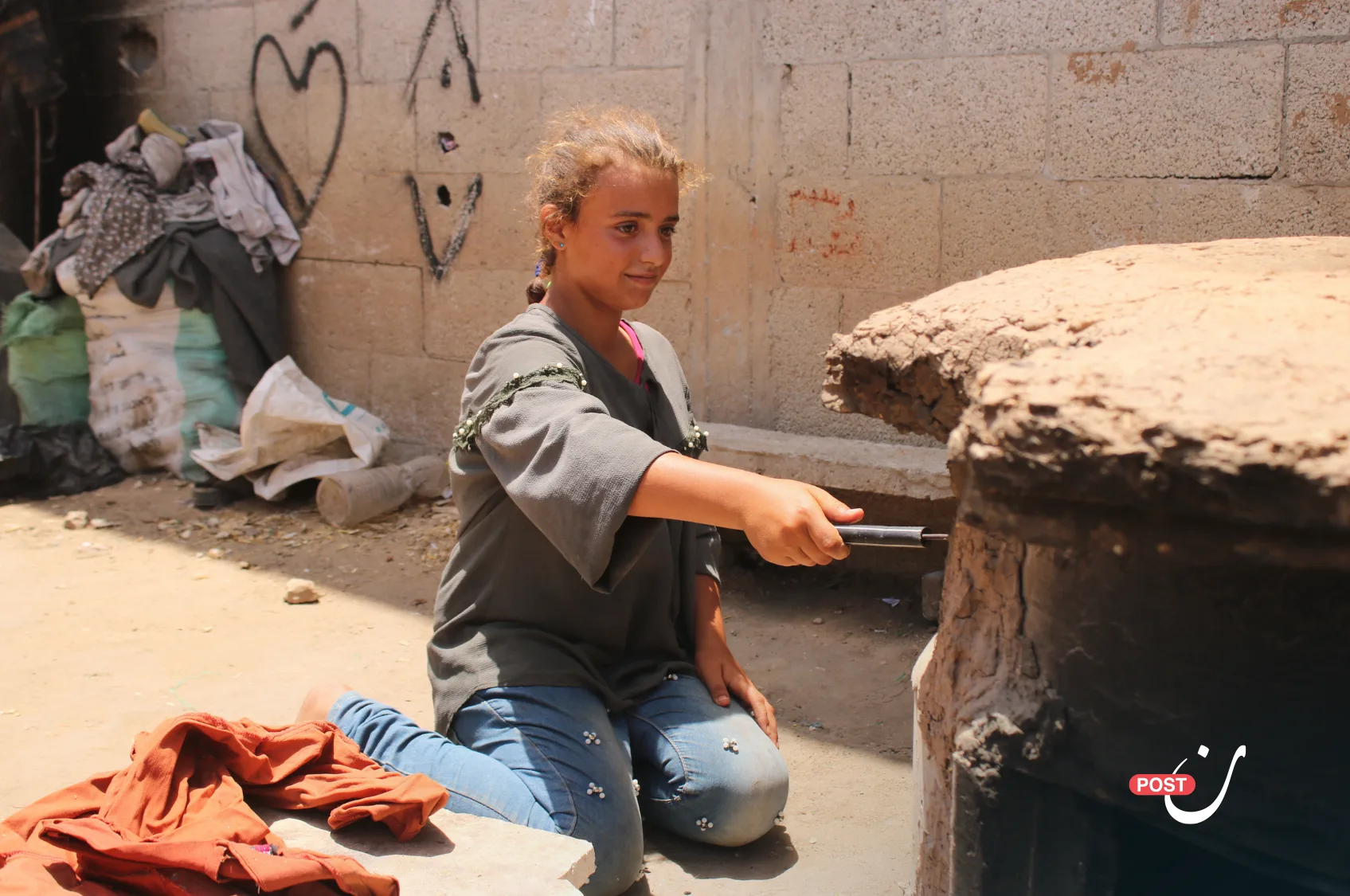
In displacement camps, a new line of work has emerged for children: young girls wash and dry clothes for pay, while other children heat water for bathing and sell it to displaced people who need it.
It is worth noting that children in Gaza were a direct target of the occupation during the war. The occupation killed more than 18,592 children, while the number of injured children reached 44,486, representing 26 percent of all the wounded, in addition to more than 1,655 cases of child detention.
The physical effects of the war remain devastating, with 10,500 children living with life-altering injuries, and more than 1,000 cases of limb amputation.