






Focus

A Leaking Treasury
A special dossier tracing the Egyptian economy and its recurring crises since the founding of the republic. Through a series of in-depth reports, it examines how successive governments have confronted the country’s most consequential economic challenges, comparing their policies and the impact they have had on Egyptians and their standard of living.
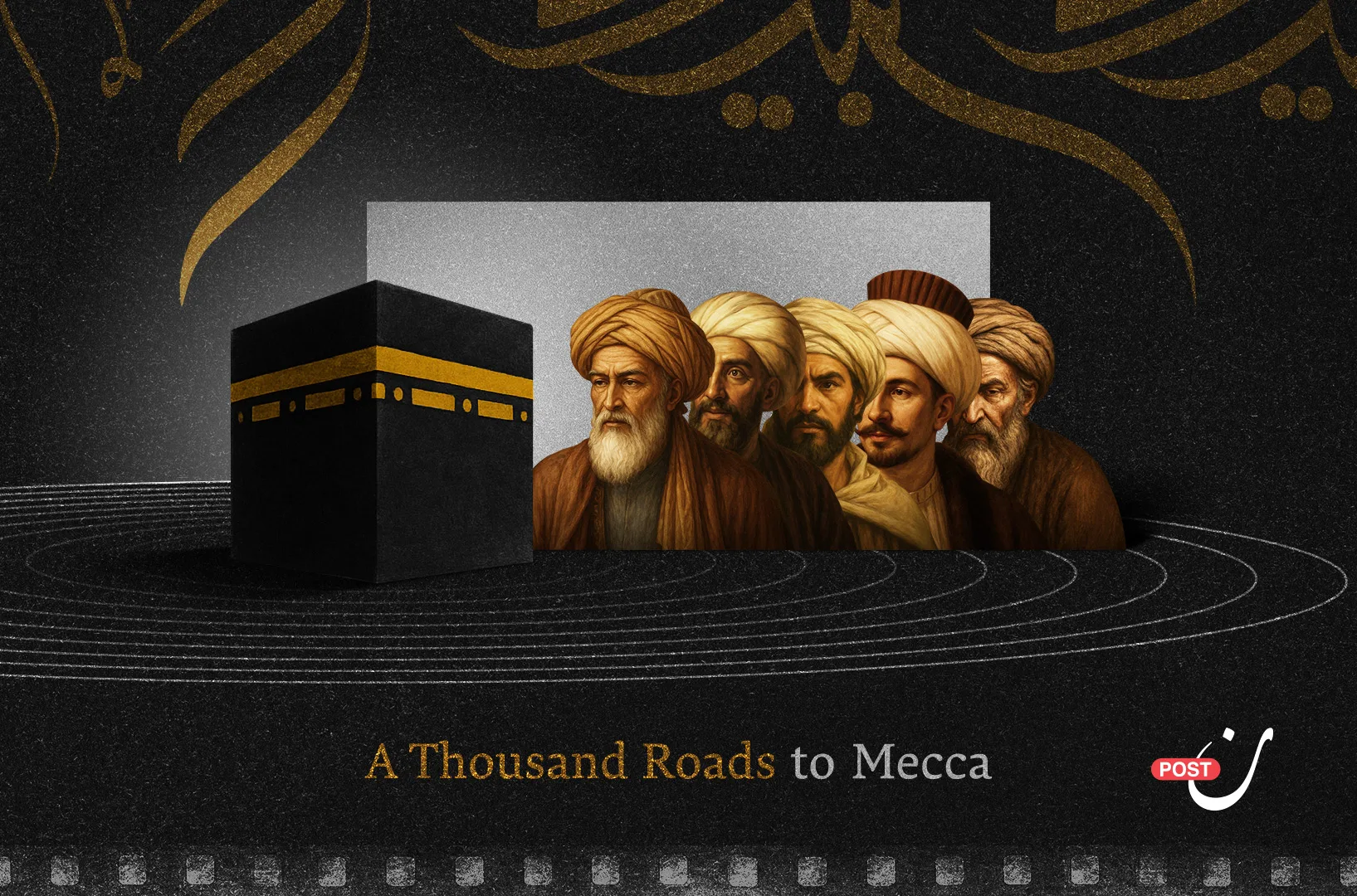
A Thousand Roads to Mecca
We retrace the footsteps of pilgrims as they immortalized them in their own accounts—across different eras, cultures, and backgrounds. Each carries a story uniquely their own, yet all converge in a single defining moment: arriving at the Sacred House in Mecca.
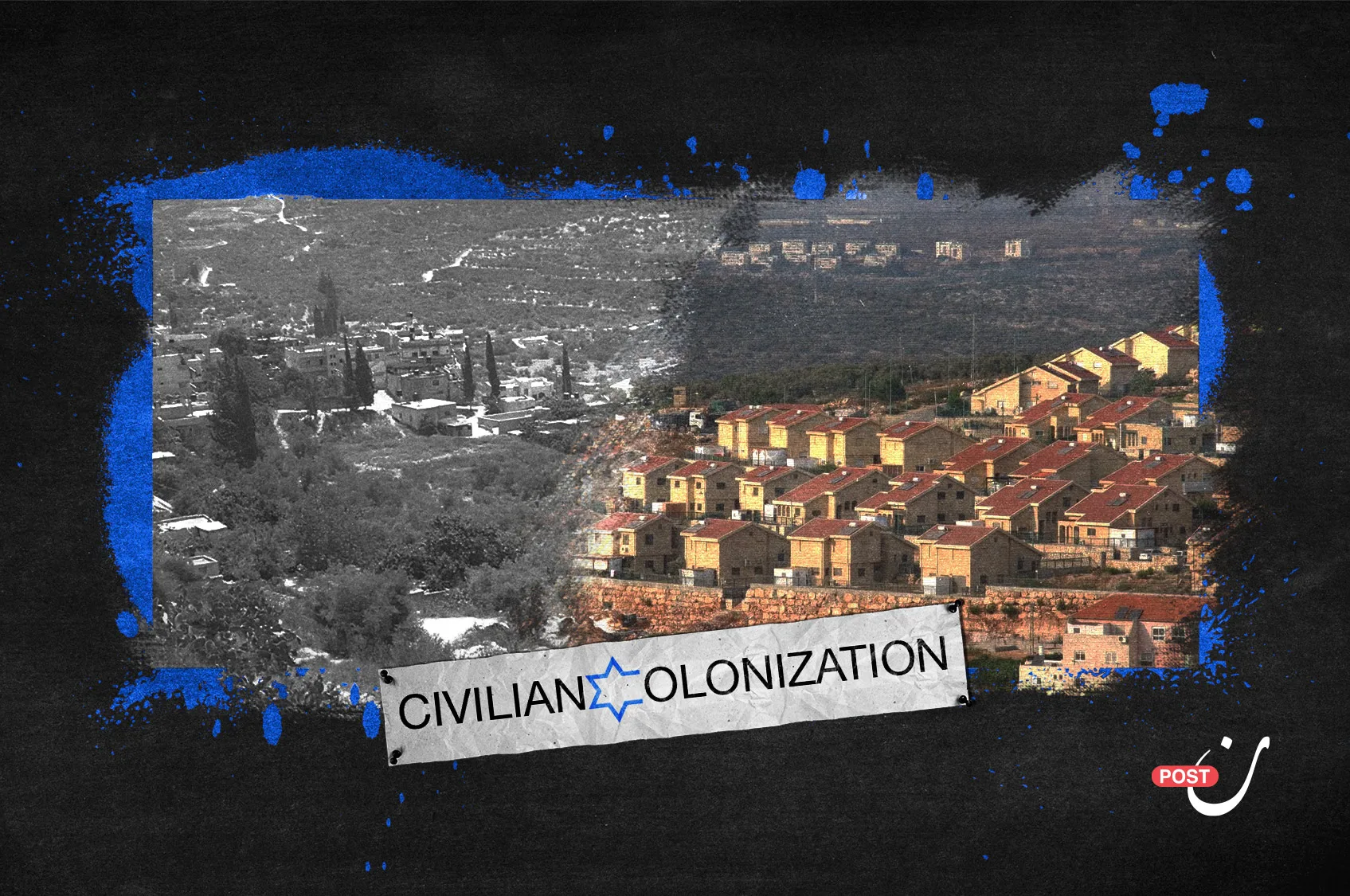
Civilian Colonization
We trace the concealed origins of the pillars of the colonial project in Palestine, examining in each installment the aims behind the creation of a new component within this system, the pivotal roles it played before the Nakba, and how it later evolved into government institutions that continue to carry out their colonial functions to this day.
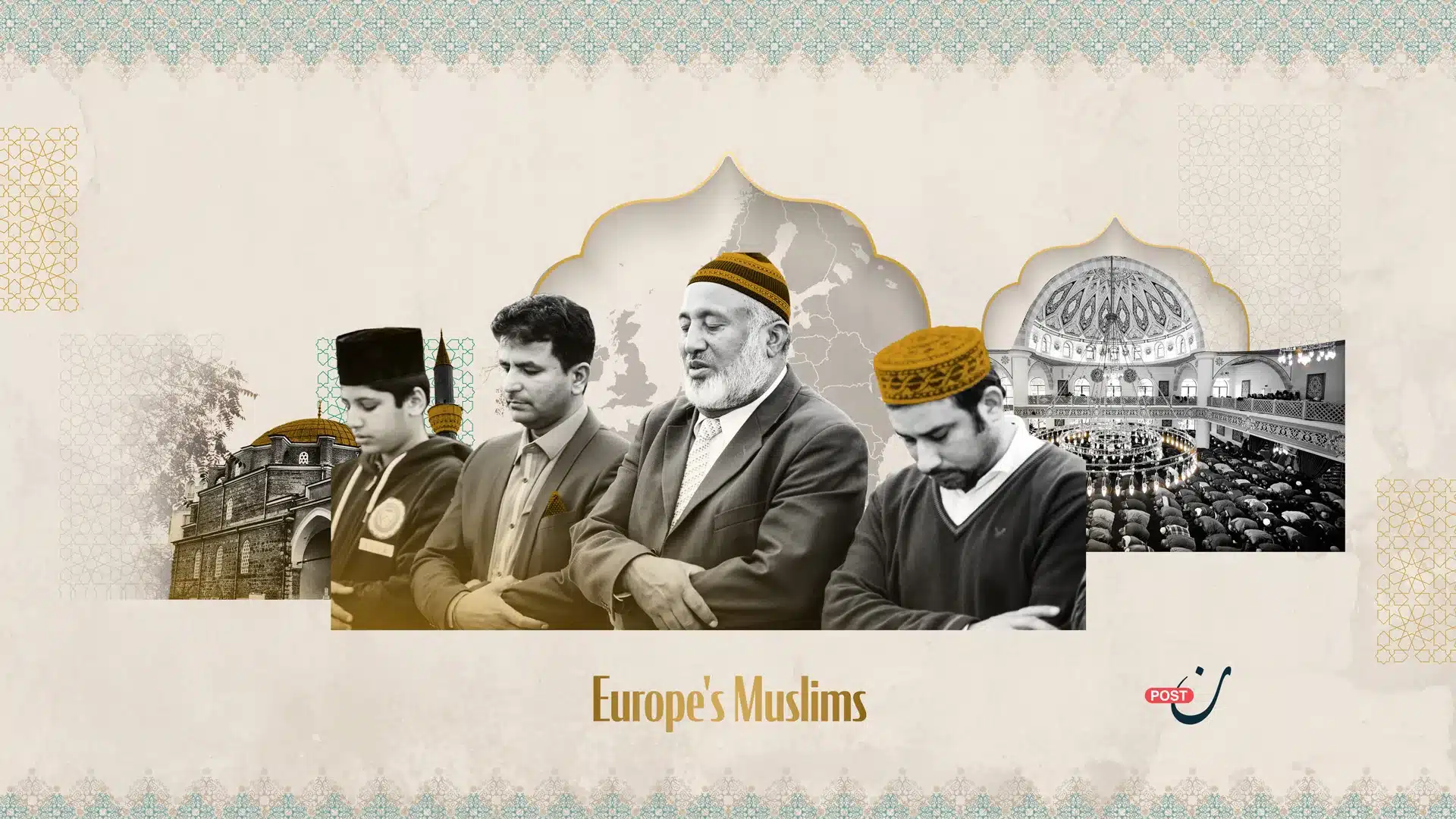
Europe's Muslims
Through this collection of articles, we examine the realities of Muslim communities across Europe, exploring their concerns and challenges, experiences of integration into European societies, the dilemmas they face, the impact of Islamophobia, and the obstacles to achieving greater inclusion.
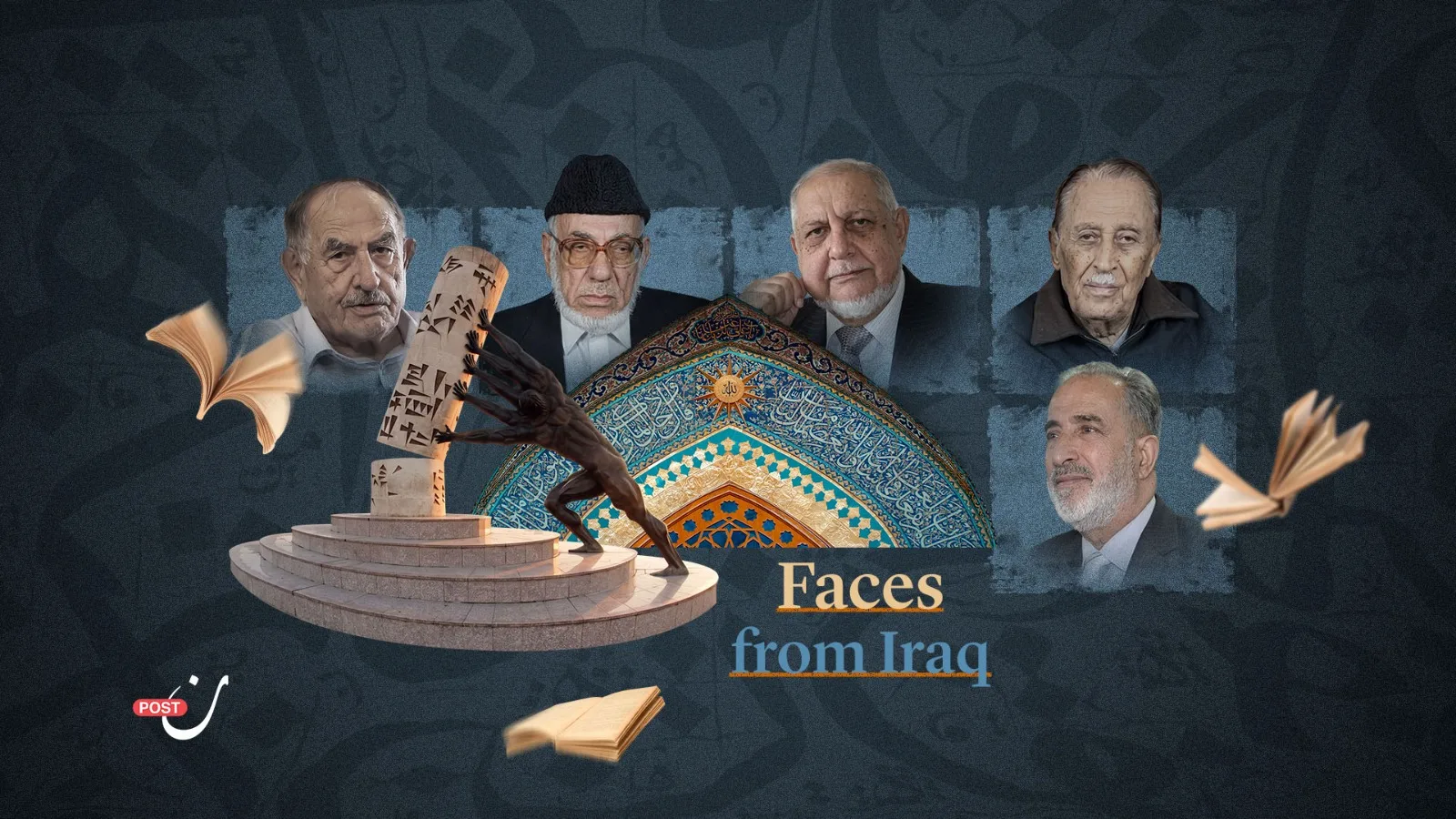
Faces from Iraq
This dossier brings together the experiences of Iraqi scholars and thinkers specializing in Arab and Islamic thought—spanning the renewal of jurisprudence and *da‘wah*, the interpretation of history, and the study of the Quranic message and the Arabic language. It documents a body of work rooted in authentic scholarship that engaged with the questions of the age and sought to make its ideas accessible to the public.
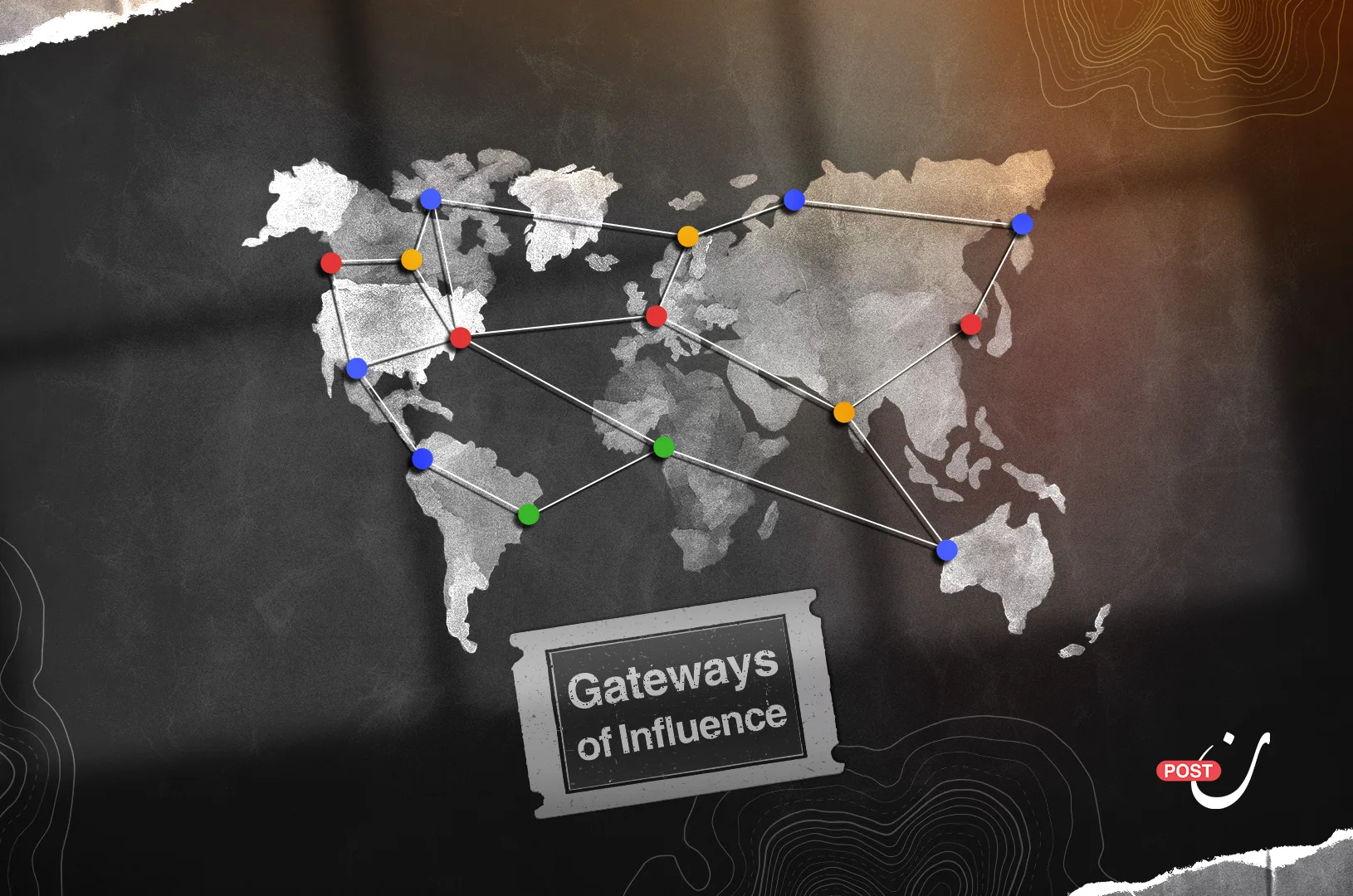
Gateways of Influence
By controlling trade routes and strategic corridors, major powers seek to secure political, economic, and military advantages. In recent years, several high-profile initiatives have emerged in this arena, including the Belt and Road Initiative, the India–Middle East–Europe Economic Corridor, and Iraq’s Development Road. “Gateways of Influence” is a special dossier that examines the most significant of these corridors, their strategic importance to the principal actors involved, their implications for rival powers, and their impact on both global trade flows and the geopolitical landscape.
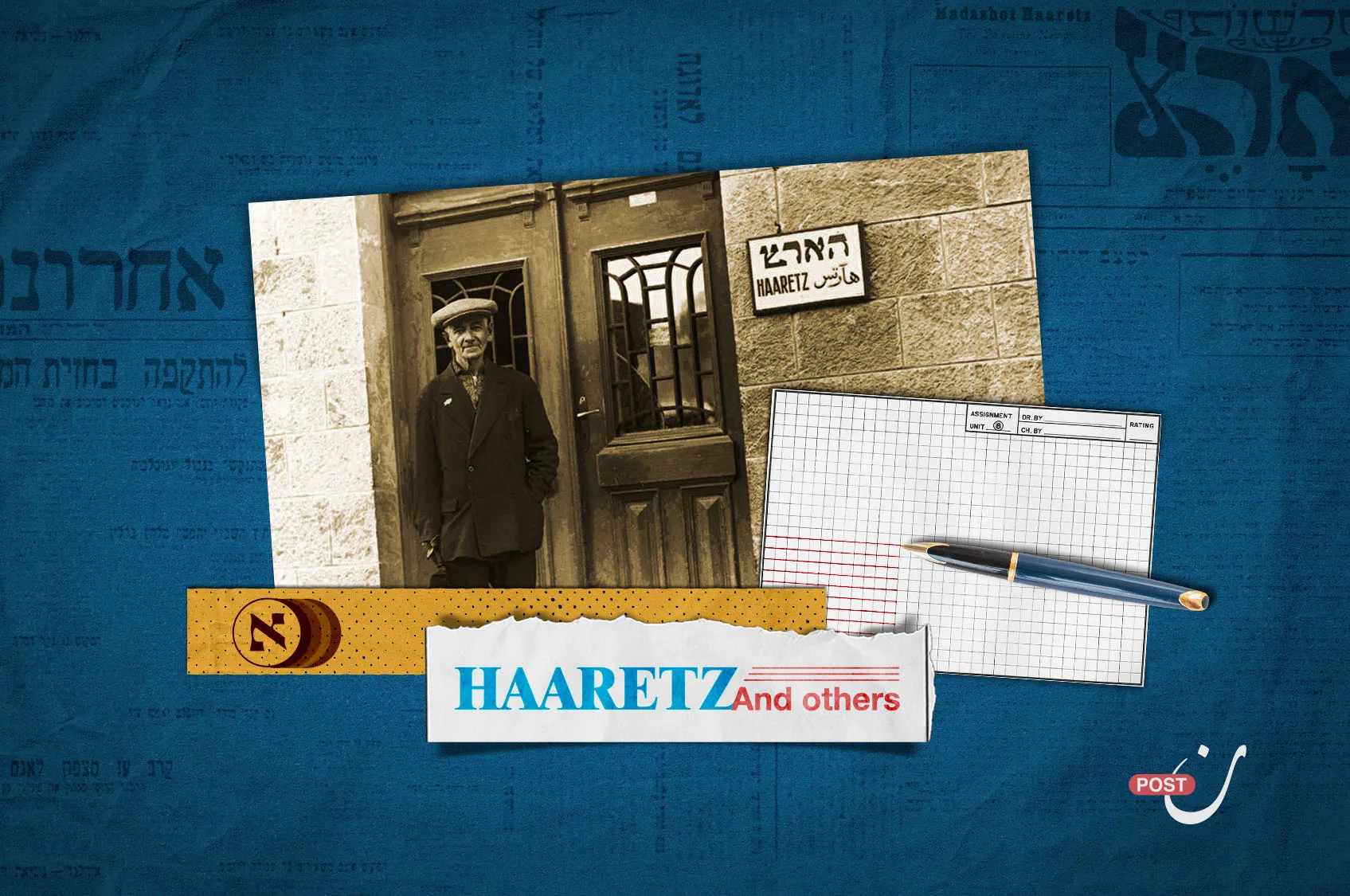
Haaretz and its Sisters
This file traces the evolution of Israeli journalism since its inception and its deep-rooted ties to the military establishment. It highlights its role in shaping political narratives and perceptions, as well as its influence on Arab and Western public opinion throughout decades of wars, Intifadas, and alliances
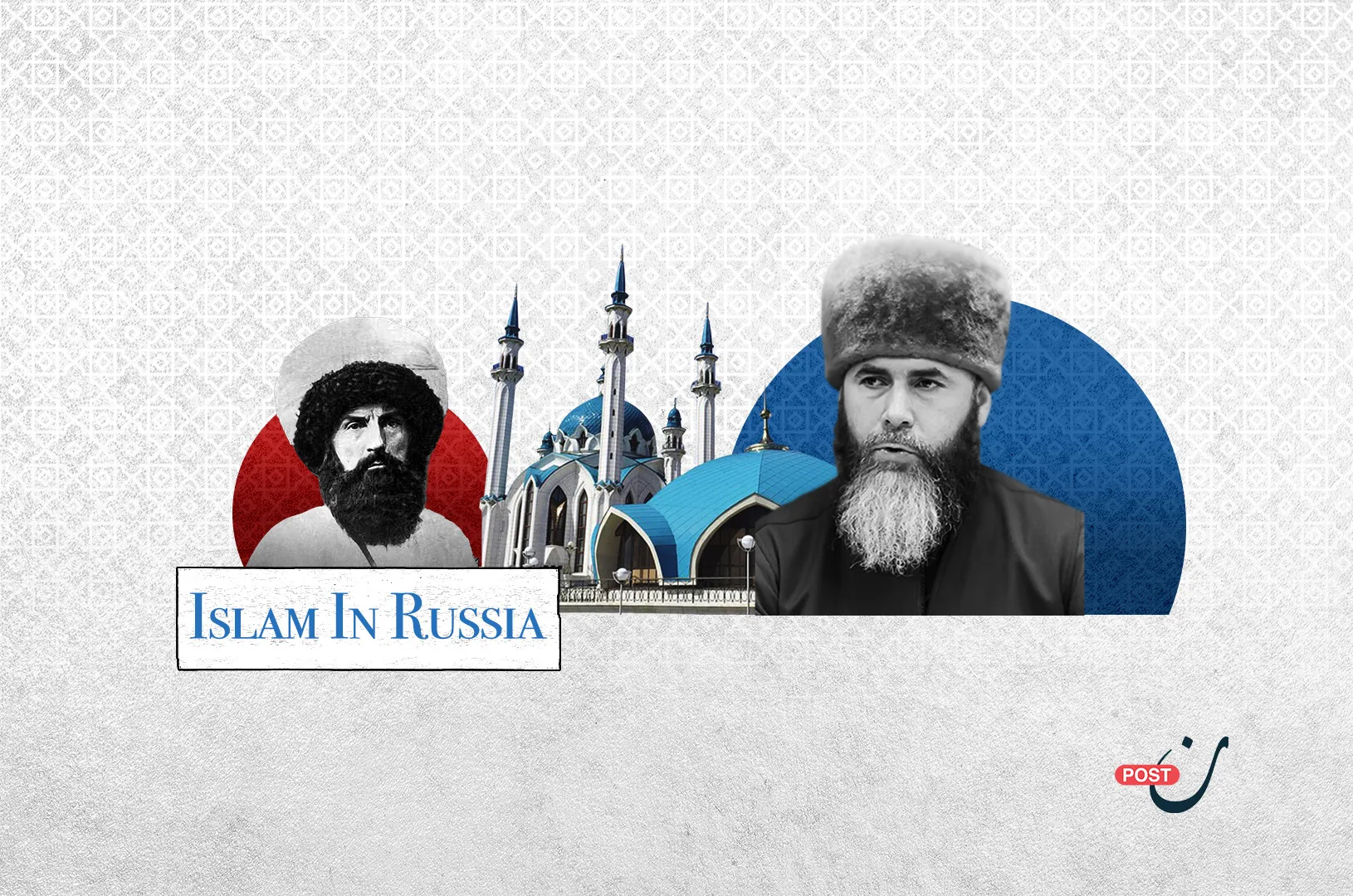
Islam In Russia
This dossier chronicles the history of Siberia and several Muslim-majority republics within the Russian Federation, including the North Caucasus republics of Chechnya, Ingushetia, Dagestan, Kabardino-Balkaria, and Karachay-Cherkessia, as well as Tatarstan and Bashkortostan. Each of these regions possesses distinct social and religious characteristics that have been reshaped in different ways to align with the Russian state’s vision and interests.