






Long Reads

Browse reports by editor
#Abiy Ahmed

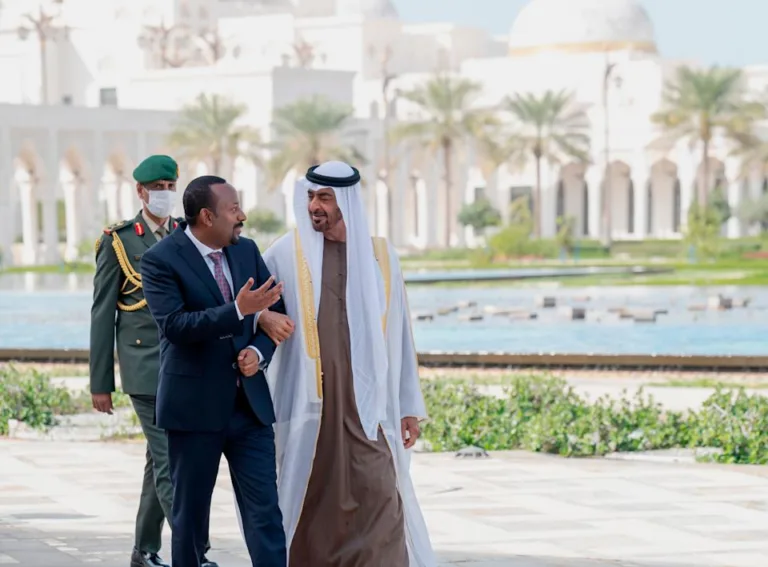
Abiy Ahmed: Abu Dhabi’s regional proxy for its Horn of Africa project

Abu Dhabi is betting on Ethiopia because of its population size, landlocked geography, and connection to Red Sea ports, while Abiy gives the UAE a central partner whose political and military survival is indebted to its support.

Mohamed Gamie Mohamed Gamie
#Israeli intervention in Syria

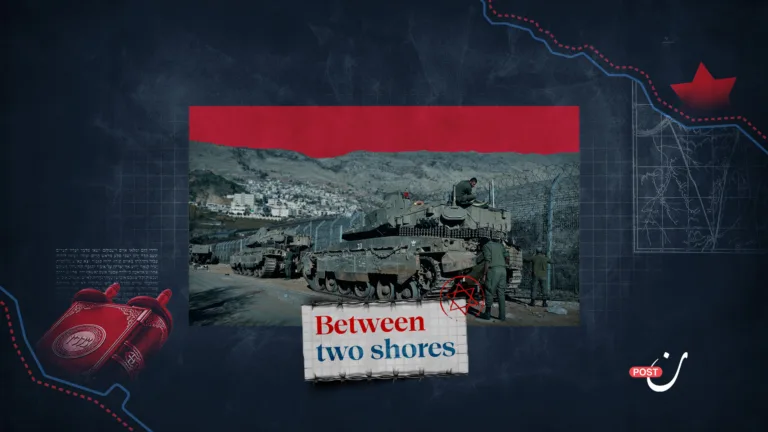
Syria in the Zionist imagination: How “Israel’s” expansionist project is being reproduced today

"Israel’s" expansionist vision draws on biblical narratives that regard parts of Syria — particularly the Golan, Mount Hermon and Hauran — as part of conceptions of the “Promised Land” and the “Greater Israel” project.

Maram Musa Maram Musa
#2026 World Cup

Why the 2026 World Cup can’t match the Qatar edition

The 2026 World Cup is facing an unprecedented lack of enthusiasm despite being the biggest in history, due to weak bookings, soaring prices, and geographic fragmentation across the United States, Canada, and Mexico.

Mohamed Gamie Mohamed Gamie
#Emirati Ambitions in Syria

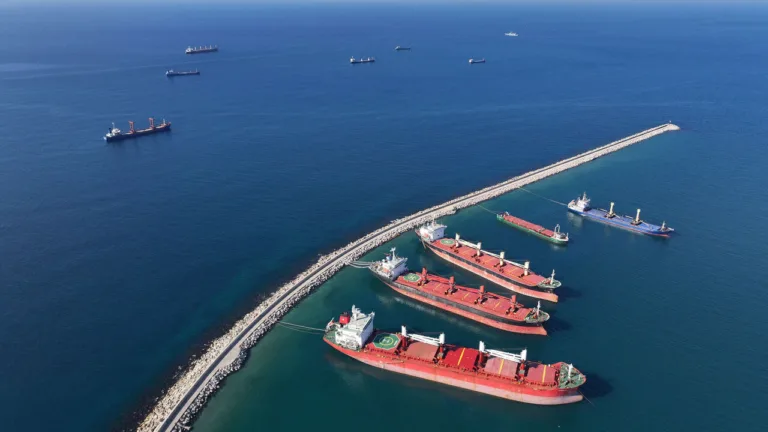
Is the UAE drawing its new maritime influence through Syria’s coast?

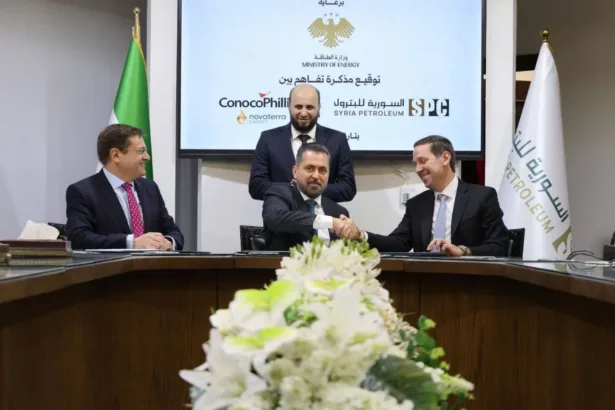
Abu Dhabi sees Syria’s coast as a strategic node in the eastern Mediterranean, giving it a secure outlet for trade and energy toward Europe while bolstering its influence through ports, free zones, infrastructure, and telecommunications.

Ahmed Seif EL-Nasr Ahmed Seif EL-Nasr
#Benjamin Netanyahu

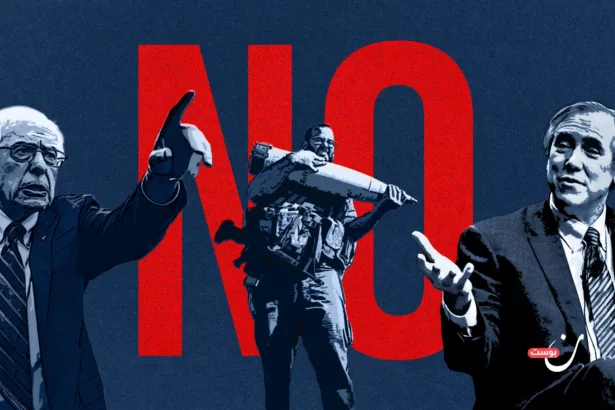
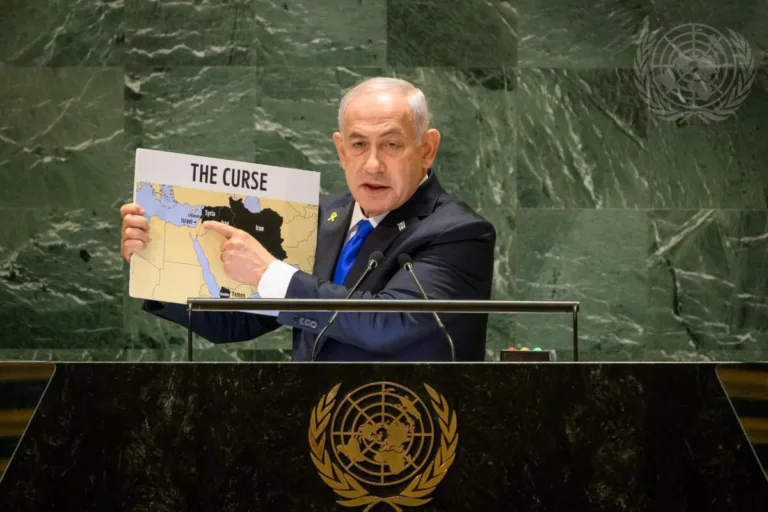
Why does Netanyahu speak in maps?

Historically, Israel has relied on maps as a tool for imposing identity, through the Hebraization of names and the erasure of Palestinian presence, making the map a political instrument for redefining geography and entrenching Israeli sovereignty.

Mostafa Al-Khoudry Mostafa Al-Khoudry
#Turkey’s Republican People’s Party

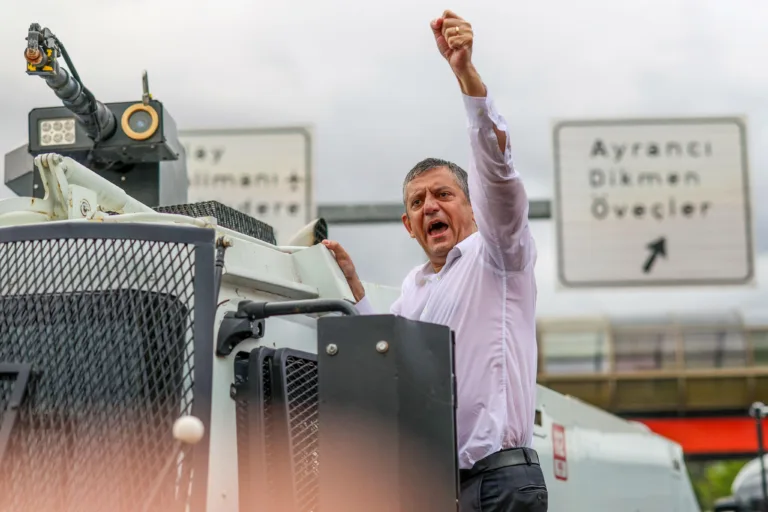
The leadership battle: How the Turkish Republican People’s Party crisis escalated

Türkiye’s main opposition party is facing its deepest internal crisis in decades after a court annulled the CHP’s 2023 congress and reignited a power struggle between Ozgur Ozel and Kemal Kilicdaroglu. Beyond a leadership dispute, the crisis exposes growing tensions...

Zaid Esleem Zaid Esleem
#Israel

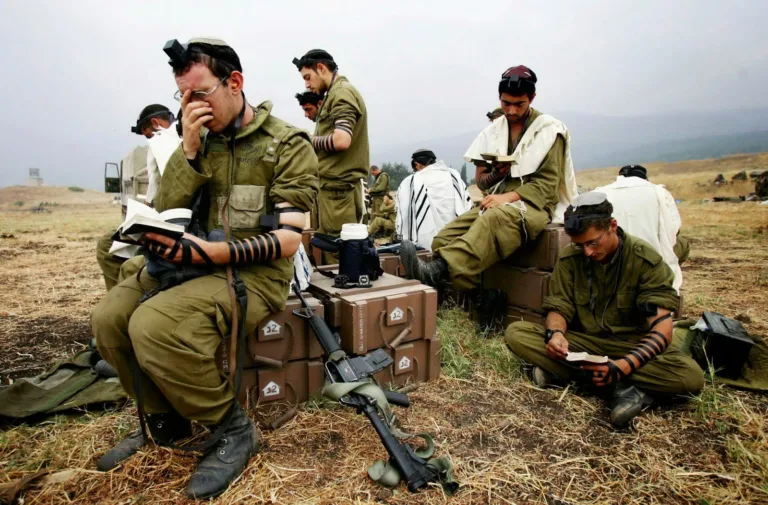
From the “people’s army” to the “army of God”: the full story of the religiousization of Israel’s occupation army

Beginning with the foundations laid by early Zionist rabbis and the political compromises of David Ben-Gurion, the article explores how religion became embedded within Israel’s military doctrine, battlefield ethics, and national identity. It examines the roles of influential military rabbis,...

Sujoud Awais Sujoud Awais
#Global trade routes

Asian partnerships and alternative corridors: Abu Dhabi’s strategy to escape the Gulf umbrella

Tracking the shifts after the Iran war and the closure of Hormuz, the UAE is rapidly expanding toward Asia through alternative trade corridors and new economic partnerships in an effort to reduce its reliance on traditional Gulf geography.

Mohamed Gamie Mohamed Gamie
#The Turkish Economy

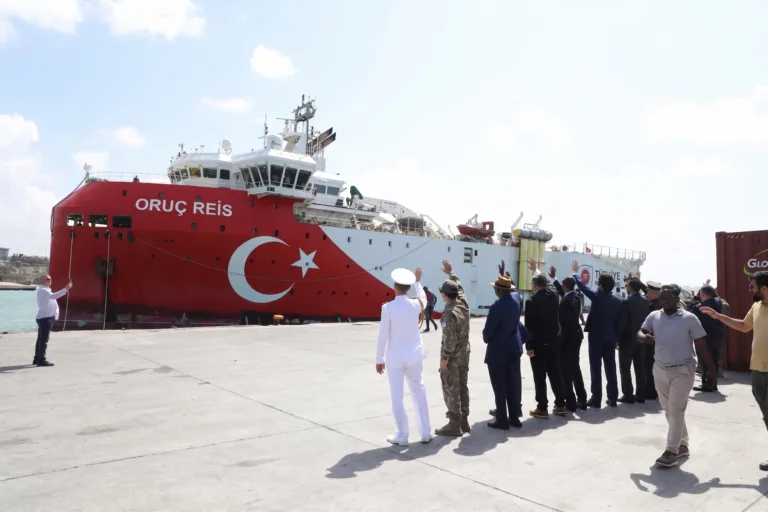
How Is Turkish Military Technology Redrawing the Balance of Power in North Africa?

In the spring of 2020, the Libyan war took a different turn as the balance of power in the skies over the battlefield shifted. While the forces of retired General Khalifa Haftar continued their advance toward Tripoli, backed by broad...

Zaid Esleem Zaid Esleem
#Bab al-Mandab

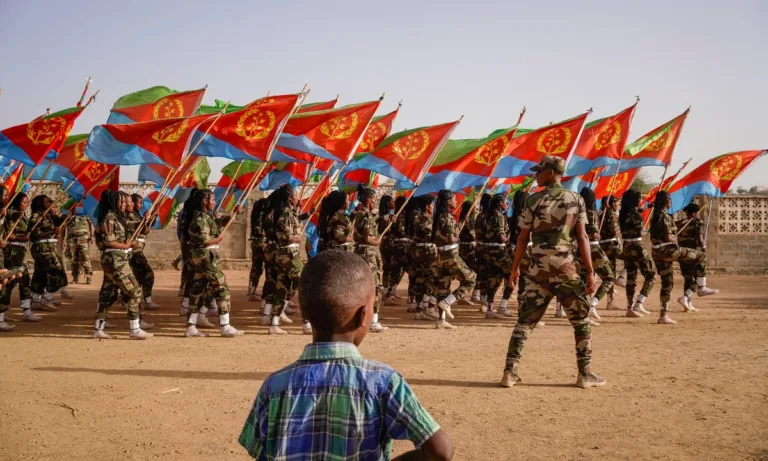
Why Washington Is Betting on Eritrea After Hormuz and the Red Sea Crisis

The United States appears poised to ease sanctions on Eritrea amid sweeping geopolitical shifts reshaping the Red Sea and the Horn of Africa. The move reflects Washington’s growing recognition of Eritrea’s strategic importance, particularly its proximity to the Bab el-Mandeb...

Mohamed Gamie Mohamed Gamie